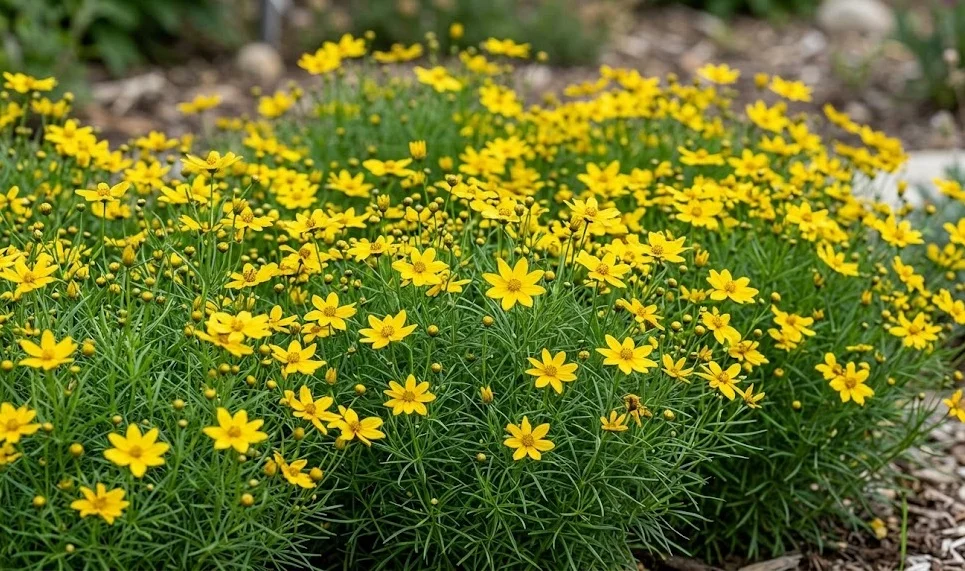

Maintaining the form and longevity of your perennials requires a thoughtful and disciplined approach to pruning and maintenance. Narrow-leaf tickseed is a plant that responds exceptionally well to various types of cutting, from light deadheading to more significant mid-season rejuvenation. When you master these techniques, you can keep your garden looking tidy, extend the blooming period, and ensure the overall health of the plant. A professional gardener knows that a pair of sharp pruners is one of the most powerful tools for shaping the beauty and performance of a landscape.
Deadheading for continuous bloom
The simplest and most common form of pruning for this perennial is deadheading, which involves removing the spent flower heads as they fade. This practice prevents the plant from putting its energy into seed production, which is its natural biological goal once the flowers have been pollinated. By redirecting that energy back into the plant, you encourage it to produce new buds and continue flowering for a much longer period. It is a rewarding task that keeps the garden looking fresh and vibrant throughout the summer.
To deadhead effectively, you can simply snip off the individual faded blooms just above the next set of leaves or buds on the stem. Because this species produces many small flowers, this can be a time-consuming task if you have a large planting. Some gardeners prefer to use a light shearing approach, taking off the top layer of growth where most of the spent flowers are located. This is a faster method that still achieves the goal of promoting new growth and a cleaner overall appearance.
Regular deadheading also has the added benefit of preventing the plant from self-seeding too aggressively in areas where you might not want new seedlings. While some natural spread can be desirable in a meadow-style garden, in a more formal border, you likely want to keep things under control. By removing the seed heads before they mature and drop, you maintain the original design of your planting scheme. This level of control is a hallmark of a professional and well-managed garden space.
If you decide to leave some of the later-season blooms to develop seeds, you can provide a valuable resource for local birds during the autumn months. Many gardeners choose to stop deadheading in late August to allow a few seed heads to remain for both winter interest and wildlife support. This decision depends on your personal aesthetic goals and the overall style of your landscape. Balancing the beauty of the flowers with the needs of the ecosystem is part of the art of professional horticulture.
More articles on this topic
Mid-season rejuvenation pruning
Sometimes, a plant can start to look a bit tired or “stretched out” after its first major flush of flowers in the early summer. If you find that your narrow-leaf tickseed is becoming less productive or looks a bit messy, a mid-season rejuvenation prune can work wonders. This involves cutting the entire plant back by about one-third or even one-half of its total height. While it might seem drastic to remove so much growth, the plant will respond with a fresh burst of green foliage within a couple of weeks.
This type of pruning is particularly effective at stimulating a second, smaller wave of blooms that can last well into the autumn. It also helps to maintain a more compact and bushy form, preventing the stems from becoming too leggy and prone to flopping. Many professional landscape designers incorporate this technique into their maintenance schedules to ensure the garden looks its best for the longest possible time. It is a simple way to “reset” the plant and give it a new lease on life for the second half of the season.
When performing a rejuvenation prune, it is important to use sharp, clean tools to ensure clean cuts that heal quickly. You should also make sure the plant is well-watered before and after the pruning to help it recover from the stress of losing a significant portion of its foliage. If the weather is exceptionally hot and dry, you might wait for a cooler period to perform this task. Being mindful of the plant’s overall health and the environmental conditions is a key part of successful pruning.
The new growth that emerges after a mid-season cut is often very vibrant and healthy, providing a fresh backdrop for other late-blooming perennials. It creates a sense of renewal in the garden during a time when many other plants might be starting to fade. This dynamic approach to maintenance keeps the landscape interesting and ensures that there is always something beautiful to look at. A little bit of bold pruning can lead to a much more rewarding and professional-looking garden display.
More articles on this topic
Late-season cutting for garden tidiness
As the growing season comes to an end and the first frosts arrive, you will need to decide how to handle the final cleanup of your perennials. Some gardeners prefer to cut the stems of the tickseed back to the ground in late autumn to create a clean and tidy appearance for the winter. This can help to remove any overwintering pests or diseases that might be lingering on the dead foliage. It is a common practice in formal garden settings where a crisp look is desired even during the dormant months.
However, as mentioned in the overwintering section, there are also benefits to leaving the stems standing until the spring. The dried architectural form of the plant can be quite beautiful when covered in frost or a light dusting of snow. It also provides a bit of extra protection for the crown and serves as a habitat for beneficial insects that overwinter in the hollow stems. Many professional gardeners now lean toward this more ecologically-minded approach, waiting until early spring for the final cut-back.
If you do choose to cut the plants back in the autumn, try to wait until the foliage has turned completely brown and the plant has fully entered dormancy. This ensures that all the nutrients from the stems have been pulled back down into the root system for winter storage. Use your pruners to cut the stems to within an inch or two of the soil surface, being careful not to nick the crown of the plant. This final act of the season is a way of “putting the garden to bed” and preparing for a new beginning.
Ultimately, your pruning schedule should be tailored to your specific garden goals, the local climate, and the overall style of your landscape. There is no single “right” way to do it, but being consistent and thoughtful in your approach will always yield the best results. Whether you are deadheading daily or doing a single major cut in the spring, your attention to detail will be reflected in the health and beauty of your narrow-leaf tickseed. Pruning is a skill that connects you deeply to the lifecycle of your plants and the beauty of your outdoor world.