
Harnessing the power of the sun is a fundamental part of a successful garden strategy for any sun-loving perennial species. Narrow-leaf tickseed is a plant that thrives on light, using it to fuel its dense growth and prolific display of golden-yellow flowers. When you understand the specific light needs of this plant, you can position it in your landscape where it will perform at its peak and bring the most beauty to your outdoor space. A professional approach to light management ensures that your plants remain healthy, strong, and full of life throughout the entire growing season.
Sunlight and its impact on flowering
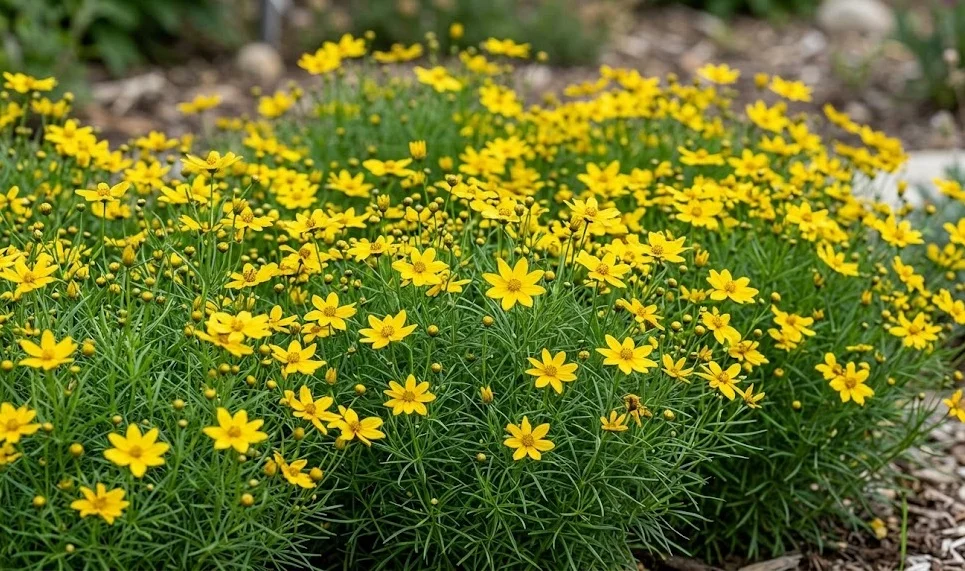
The primary driver of flowering for this perennial is the amount and quality of direct sunlight it receives each day. Ideally, the plant should be situated in a spot that gets at least six to eight hours of full sun for the best results. This intensity of light provides the energy needed for the complex biological processes that lead to the production of numerous flower buds. When grown in full sun, the plant will reward you with a sea of blooms that can last for several months in the height of summer.
In addition to the quantity of flowers, sunlight also influences the intensity and richness of their color. You will find that the yellow hues are much more vibrant and saturated when the plant is bathed in bright, direct light for most of the day. In lower light conditions, the colors can appear somewhat muted or pale, losing some of the visual impact that makes this species so popular. Sunlight is the “fuel” that powers the aesthetic success of your garden display.
The timing of the light exposure can also play a role in how the plant develops its structure and foliage. Morning sun is particularly beneficial as it helps to dry off any dew from the fine leaves, reducing the risk of fungal issues like powdery mildew. Afternoon sun is often the most intense and provides the maximum amount of energy for growth and bloom production. A site that offers a combination of both is usually the gold standard for a professional-grade perennial border.
Observation is the best way to determine if your plants are receiving the right amount of light in their current location. If you notice that the stems are becoming weak and stretching toward the light, it is a clear sign that they are not getting enough. Conversely, a plant in full sun should be compact, bushy, and covered in healthy, star-shaped flowers. Learning to read these visual cues allows you to be a more proactive and effective manager of your garden’s environment.
More articles on this topic
Managing partial shade conditions
While full sun is the ideal, narrow-leaf tickseed is known for its remarkable adaptability and can handle a bit of partial shade in many garden settings. In regions with exceptionally hot and intense summers, a small amount of light afternoon shade can actually be beneficial for the plant. It can help prevent the foliage from becoming too stressed or scorched during the hottest part of the day. This balance of light and protection is a professional technique used to keep plants looking fresh in challenging climates.
However, if the shade becomes too deep, you will start to see a decline in the overall performance of the plant. The number of flowers will decrease significantly, and the blooming period may be much shorter than it would be in a sunnier spot. You might also find that the plant becomes more susceptible to certain pests and diseases that thrive in the cooler, damper conditions of a shaded area. It is important to find the “sweet spot” where the plant still gets enough energy to bloom well.
The fine-textured foliage of this species can also be affected by the light levels in its environment. In partial shade, the leaves might become a slightly darker green but may also be less dense than those on a plant grown in full sun. This change in appearance is the plant’s way of trying to maximize its surface area for photosynthesis in a lower-light situation. While the plant can survive in these conditions, it may not reach the full bushy potential that is characteristic of the variety.
If you have a garden with shifting light patterns, you might need to experiment with the placement of your perennials over a few seasons. Moving a plant just a few feet can sometimes make a significant difference in the amount of light it receives and how it performs. Because this species is generally hardy and handles transplanting well, you have the flexibility to find the perfect home for it. A professional garden is always an evolving space where the needs of the plants are carefully balanced with the available resources.
More articles on this topic
Light exposure and plant structure
The structural integrity of the narrow-leaf tickseed is closely tied to the amount of light it receives during its active growth phases. In a full-sun location, the stems remain short and sturdy, creating a compact and attractive clump that doesn’t require staking. This sturdy growth habit is one of the reasons the plant is so valued for low-maintenance landscaping and meadow-style designs. The energy from the sun allows the plant to build strong cell walls and a resilient overall form.
In lower light conditions, the plant will naturally attempt to reach for the sun, leading to a phenomenon known as “leggy” growth. The stems become longer and thinner, making the plant more prone to flopping over, especially after a heavy rain or in windy weather. This can lead to a messy appearance in the garden and may require you to intervene with supports or additional pruning. Choosing a site with adequate light from the start is the most professional way to ensure a tidy and self-supporting plant.
Light also affects the density of the foliage, which is a key part of the plant’s aesthetic appeal in the landscape. Full sun encourages a thick mat of fine, needle-like leaves that provides a beautiful texture even when the plant is not in full bloom. This dense growth also helps to suppress weeds around the base of the plant by shading out any competing seeds. In this way, providing the right light levels is a dual-purpose strategy for both beauty and garden management.
Finally, the overall longevity of the plant can be influenced by its access to sunlight and the energy it can store each season. A plant that is consistently grown in optimal light will be more vigorous and better able to withstand the stresses of winter and summer heat. It will have the resources it needs to expand its root system and produce plenty of new shoots each spring. By respecting the light requirements of your perennials, you are investing in the long-term health and success of your entire garden ecosystem.