
Mastering the hydration and nutritional needs of the harlequin glorybower is essential for producing the spectacular floral and fruit displays this plant is known for. While it is a resilient species, its performance is directly linked to the consistency and quality of its water and nutrient supply. A balanced approach avoids the common pitfalls of over-saturation or nutrient leaching. By tailoring your care routine to the specific phases of the plant’s annual cycle, you ensure a healthy, long-lived specimen.
Water management starts with an understanding of the plant’s physiological structure and its native habitat. This shrub appreciates a environment where the soil remains consistently moist but never waterlogged. During the peak of the growing season, the large leaves lose a significant amount of moisture through transpiration. This means that regular checks are necessary to prevent the plant from entering a state of drought-induced stress.
Fertilization is the second pillar of professional care, providing the chemical building blocks for growth and reproduction. The harlequin glorybower is not an excessively heavy feeder, but it does benefit from a steady supply of minerals. Nitrogen supports the lush foliage, while phosphorus and potassium are critical for flower and berry development. A well-timed application of nutrients can make the difference between a sparse shrub and a garden centerpiece.
Observation is your most valuable tool when it comes to fine-tuning these two critical maintenance tasks. The plant will often show visible signs of distress, such as wilting or color changes, long before permanent damage occurs. Learning to read these signals allows you to intervene precisely when the plant needs it most. Over time, you will develop an intuitive sense for the specific requirements of your garden’s microclimate.
Establishing a watering routine
The frequency of watering should be dictated by the weather conditions and the stage of the plant’s development. Young, newly planted shrubs require more frequent attention as their root systems are limited to a small volume of soil. During the first two years, check the soil moisture daily during the heat of summer. For established plants, the goal is to provide a deep soaking once or twice a week rather than light daily sprinkles.
More articles on this topic
Deep watering encourages the roots to grow further down into the soil, making the plant more drought-resistant in the long run. Use a soaker hose or a slow drip at the base of the plant to allow the water to penetrate several inches deep. This method also keeps the foliage dry, which is important for preventing the development of fungal diseases. Early morning is the ideal time to water, as it allows any accidental moisture on the leaves to evaporate quickly.
Seasonal adjustments are necessary as the temperature and humidity levels fluctuate throughout the year. In the spring, as the plant begins to leaf out, water needs will increase steadily. During the peak summer bloom, the demand reaches its highest point and should be monitored closely. As autumn approaches and the plant prepares for dormancy, you can gradually reduce the frequency of watering.
Soil type also plays a major role in how you should approach the hydration of your garden. Sandy soils drain quickly and will require more frequent watering to keep the plant satisfied. Conversely, clay-heavy soils hold onto moisture for much longer, increasing the risk of root rot if you are not careful. Adding organic matter can help normalize both types of soil, making your watering routine much more effective.
Nutritional requirements and soil health
A balanced, slow-release fertilizer is often the best choice for providing a steady stream of nutrients over several months. Look for a product with an N-P-K ratio that favors slightly higher phosphorus if you want to maximize the berry display. Granular fertilizers can be spread around the base of the plant and lightly raked into the top layer of soil. Always water thoroughly after applying any dry fertilizer to help it reach the root zone.
More articles on this topic
Organic options, such as well-composted manure or fish emulsion, are excellent for long-term soil health. These materials not only provide essential elements but also improve the soil structure and encourage beneficial microbial activity. Applying a thin layer of compost every spring is a great way to mimic the natural nutrient cycle found on a forest floor. This approach builds a resilient ecosystem that supports the plant’s needs naturally.
Micronutrients, although needed in tiny amounts, are vital for the complex metabolic processes within the plant. Elements like iron, manganese, and zinc are often present in the soil but may become unavailable if the pH is too high. If the leaves show signs of yellowing between the veins, a liquid micronutrient spray can provide a quick fix. However, the long-term solution usually involves adjusting the soil pH to a more favorable range.
Timing your fertilization is just as important as the type of product you choose to use. The first application should occur in early spring just as the new growth starts to appear. A second, lighter application can be made in mid-summer to support the intense flowering and fruiting period. Avoid fertilizing in late autumn, as this can stimulate new growth that won’t have time to harden off before the winter frost.
Signs of water and nutrient imbalance
Recognizing the symptoms of overwatering is crucial for preventing the rapid decline of the root system. Yellowing leaves that feel soft or limp are often a sign that the roots are suffocating in saturated soil. In extreme cases, you may notice a sour smell coming from the ground, indicating the onset of anaerobic conditions and rot. If these signs appear, stop watering immediately and check the drainage of the planting site.
Drought stress, on the other hand, usually manifests as brittle, brown edges on the leaves and a general loss of turgor. The plant may shed its older leaves prematurely as it attempts to conserve moisture for its core systems. While the harlequin glorybower can recover from occasional wilting, chronic underwatering will result in stunted growth. Increasing the mulch layer can help prevent these rapid fluctuations in soil moisture.
Nutrient deficiencies often produce specific patterns of discoloration that can be diagnosed with a little practice. Nitrogen deficiency shows up as a uniform pale green or yellow color across the entire plant. Lack of potassium can cause the leaf margins to turn brown and look scorched, even if the plant is well-watered. Phosphorus deficiency is less common but may result in a purplish tint on the undersides of the leaves.
Excessive fertilization can be just as damaging as a lack of nutrients, often causing “fertilizer burn” on the roots. This usually shows up as brown tips on the leaves and a sudden decline in the plant’s overall health. If you suspect you have over-fertilized, flush the soil with large amounts of fresh water to leach out the excess salts. Always follow the manufacturer’s instructions on the packaging to avoid these costly mistakes.
Maximizing the floral and fruit display
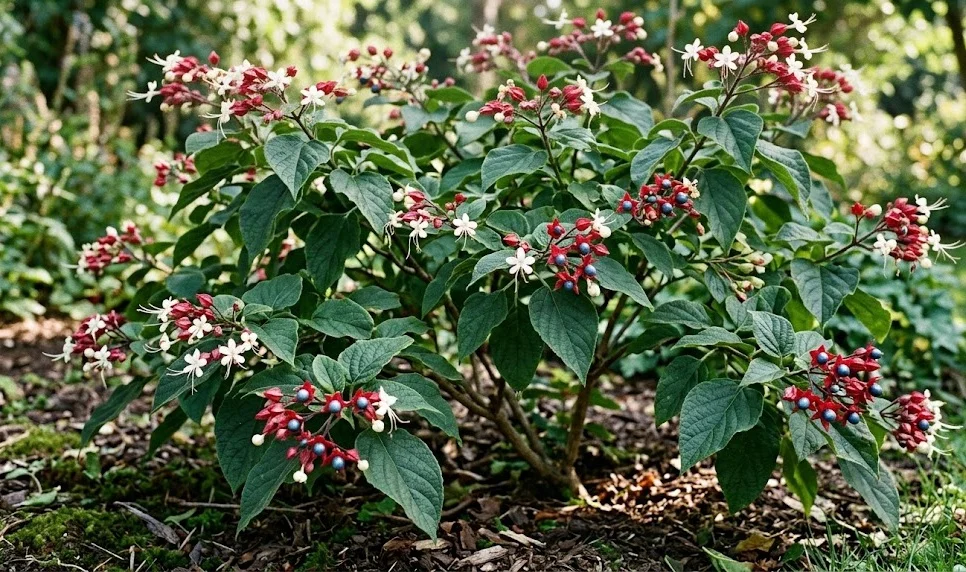
The intensity of the berry color is often a direct reflection of the plant’s nutritional status during the late summer. Adequate levels of potassium are particularly important for the development of the vivid red calyxes and blue fruits. If your plant consistently produces lackluster berries, consider a targeted application of a high-potassium “bloom booster.” This should be done several weeks before the expected flowering period for the best results.
Water consistency during the flowering phase determines how many of the blooms will successfully set fruit. Sudden dry spells while the plant is in bloom can cause the delicate flowers to drop before they are pollinated. Ensuring that the plant never experiences extreme thirst during this window is the key to a heavy crop of berries. Mulching is particularly helpful during this period to maintain a stable environment.
Soil pH management is a subtle but effective way to influence the availability of nutrients and the health of the plant. A slightly acidic environment is generally preferred, as it allows the roots to absorb minerals most efficiently. If your soil is naturally alkaline, regular applications of organic matter or soil acidifiers will be necessary. Testing the soil every few years ensures that you are working with the plant rather than against it.
Trace minerals found in sea-based fertilizers can add a final layer of complexity and health to the plant’s profile. Kelp meal or seaweed extracts contain a wide array of hormones and minerals that boost the plant’s natural immune system. Many gardeners find that these products improve the glossiness of the leaves and the overall resilience of the shrub. Integrating these into your routine once or twice a season is a professional touch that yields great results.
Long-term maintenance strategies
Developing a personalized calendar for watering and feeding will help you stay on top of the plant’s needs throughout the year. Note down the dates when you applied fertilizer and the general weather patterns of each season. This record-keeping allows you to refine your approach and anticipate problems before they arise. Every garden is different, and your local experience is the best guide for long-term success.
Automated irrigation systems can be a great help, but they should never completely replace manual inspection. Drip lines are highly efficient but can become clogged or damaged by garden tools or pests. Periodically check that the water is actually reaching the root zone of the harlequin glorybower as intended. Adjust the timer settings as the seasons change to ensure you are not wasting water or underwatering.
Soil compaction is a silent enemy that can negate even the most perfect watering and fertilization plan. Over time, the soil around an established shrub can become packed down, preventing the movement of air and water. Lightly aerating the area with a garden fork every few years can help keep the soil structure open. Be careful not to go too deep or too close to the main trunk to avoid damaging large roots.
Community resources and local agricultural extensions can provide site-specific advice on water quality and soil chemistry. If you are struggling with a particular issue, these experts can often identify local pests or deficiencies that might be the cause. Sharing your experiences with other gardeners who grow the same species can also provide valuable insights. A collective approach to horticultural knowledge benefits everyone in the long run.