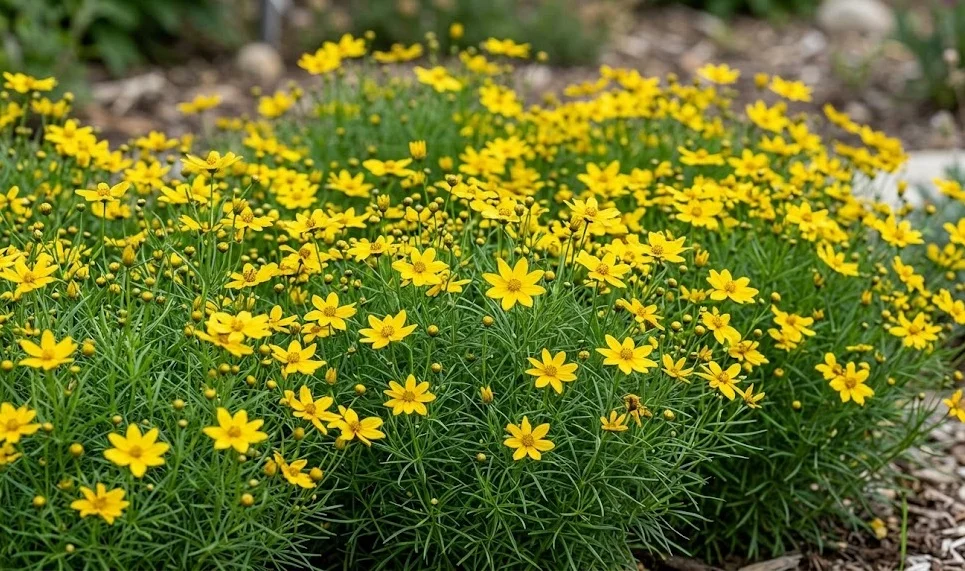

Protecting your garden from the various threats posed by pathogens and insects is a critical skill for any serious horticulturalist. While narrow-leaf tickseed is generally regarded as a robust and trouble-free perennial, it is not entirely immune to the challenges of nature. When you can identify problems early and respond with professional management strategies, you ensure the longevity and beauty of your landscape. Understanding the common issues that can affect this species allows you to be proactive rather than reactive in your approach to plant health.
Identifying fungal issues and powdery mildew
Fungal diseases are among the most common problems you might encounter when growing this perennial in certain climates. Powdery mildew is perhaps the most recognizable of these, appearing as a white, dusty coating on the fine leaves and stems. This usually occurs during periods of high humidity and warm days followed by cool nights, which are perfect conditions for fungal spores. While it rarely kills the plant, a severe infection can certainly diminish its aesthetic appeal and weaken its overall vigor.
To manage fungal issues, it is essential to focus on cultural practices that reduce the likelihood of infection in the first place. Providing plenty of space between plants for air circulation is one of the best ways to keep the foliage dry and less hospitable to fungi. When you water, try to apply the moisture directly to the soil rather than wetting the leaves, which can trap moisture among the dense foliage. These simple changes to your routine can make a significant difference in the health of your garden.
If you notice signs of a fungal infection, removing the most heavily affected parts of the plant can help slow the spread to healthy tissue. Be sure to clean your pruning tools with a disinfectant between cuts to avoid inadvertently moving the spores around. In some cases, a professional-grade fungicide might be necessary to get a persistent problem under control during a particularly difficult season. Always follow the instructions on any product you use to ensure it is effective and safe for your garden.
Leaf spot is another fungal condition that can sometimes affect the foliage, appearing as small, dark lesions on the green leaves. This often happens during exceptionally rainy springs when the foliage remains wet for extended periods. Like powdery mildew, leaf spot is mostly a cosmetic issue, but it can lead to premature leaf drop if the infection is widespread. Maintaining good garden hygiene and removing fallen leaves from around the base of the plant will help reduce the amount of overwintering fungal material.
More articles on this topic
Bacterial and viral threats
While less common than fungal issues, bacterial and viral diseases can sometimes find their way into a stand of narrow-leaf tickseed. Bacterial problems often manifest as water-soaked spots or wilting stems that don’t respond to watering. These pathogens often enter through wounds in the plant tissue, such as those caused by pruning or insect damage. Once inside, they can spread through the vascular system, making them much more difficult to treat than surface fungal infections.
Viral diseases can cause a range of strange symptoms, including mottled or distorted leaves, stunted growth, and unusual patterns on the flowers. These are often spread by insects like aphids that move from plant to plant as they feed on the sap. Unlike fungal or bacterial issues, there is no effective cure for a viral infection once a plant is fully infested. In these cases, the most professional and responsible action is to remove and destroy the affected plant to prevent the virus from spreading further.
Preventing these more serious issues starts with choosing healthy, disease-free plants from a reputable source when you are first building your garden. Inspect any new additions carefully for signs of stress or unusual markings before you introduce them to your existing landscape. Maintaining a diverse garden with a variety of different species can also help slow the spread of pathogens that are host-specific. Healthy, well-nourished plants are generally better at resisting all types of infections, including bacterial and viral ones.
If you suspect a serious disease but are unsure of the cause, seeking advice from a local horticultural expert or extension service can be very helpful. They can often provide a definitive diagnosis and recommend the best course of action for your specific situation. Keeping detailed records of your garden’s health from year to year will help you spot patterns and identify potential problems more quickly. A scientific and observant approach is key to managing the complex world of plant pathology in a professional manner.
More articles on this topic
Common insect pests in the garden
A variety of insects can be drawn to the lush growth and bright flowers of your narrow-leaf tickseed throughout the summer. Aphids are small, soft-bodied insects that congregate on the tender new growth, sucking the sap and potentially spreading diseases. You might notice the leaves curling or becoming sticky with honeydew, which is a byproduct of the aphids’ feeding. In many cases, a strong blast of water from a garden hose is enough to dislodge these pests and keep their numbers under control.
Thrips are another tiny pest that can cause damage to the flowers and foliage, leading to a silvery or speckled appearance on the tissues. They are often difficult to see with the naked eye, but their impact on the beauty of the blooms can be significant. If you find that your flowers are distorted or not opening properly, thrips might be the culprit hiding deep within the buds. Maintaining a healthy garden with plenty of beneficial insects will often keep these minor pests in check without the need for intervention.
Slugs and snails can also be an issue, particularly during wet weather or in gardens with a lot of heavy mulch. They tend to feed on the foliage at night, leaving behind jagged holes and telltale slime trails on the ground and plants. While they rarely do enough damage to seriously harm an established tickseed, they can be a nuisance in a highly managed landscape. Creating a less hospitable environment by reducing excess moisture and removing hiding places can help manage their population.
Spider mites are sometimes found on the underside of the leaves during hot, dry periods when the plant might be slightly stressed. These tiny arachnids create fine webbing and cause the foliage to look dull and yellowed as they feed on the cell contents. Increasing the humidity around the plant and ensuring it is well-watered will often make the environment less attractive to mites. Most insect issues are temporary and can be managed with a combination of patience and professional horticultural techniques.
Integrated pest management strategies
Adopting an integrated pest management (IPM) approach is the most professional and sustainable way to handle the various challenges in your garden. This strategy focuses on long-term prevention and uses a combination of biological, cultural, and chemical tools to manage pests and diseases. The goal is to minimize the impact on the environment while still maintaining a healthy and beautiful landscape. It starts with the understanding that not every insect or spot on a leaf requires a drastic response.
Encouraging beneficial insects, such as ladybugs, lacewings, and predatory wasps, is a key component of an effective IPM plan. These natural predators will do much of the work for you by keeping pest populations like aphids and mites under control. You can attract these helpers by planting a wide variety of flowers and avoiding the use of broad-spectrum insecticides that would harm them. A balanced garden ecosystem is much more resilient and requires less intervention from you over time.
Regular monitoring of your plants is the foundation of any successful management strategy, as it allows you to catch problems while they are still small. Spend time each week walking through your garden and looking closely at the foliage and flowers of your perennials. This simple habit will help you become more attuned to the natural cycles of your plants and the insects that visit them. When you do find a problem, start with the least invasive treatment option and only move to more intensive measures if necessary.
Education and curiosity are your best tools when it is time to manage the health of your landscape. Learning about the lifecycles of common pests and the conditions that favor certain diseases will make you a much more effective gardener. There are many professional resources available to help you identify and manage the various issues that can arise in a perennial garden. By taking a thoughtful and informed approach, you ensure that your narrow-leaf tickseed remains a vibrant part of your world for years to come.
Preventive garden hygiene practices
Maintaining a clean and organized garden is one of the most effective ways to prevent the buildup of pests and diseases over time. This includes removing any fallen leaves or spent stems from around the base of the plants, especially at the end of the growing season. Many pathogens and insects overwinter in garden debris, waiting for the warmth of spring to begin their lifecycle anew. By clearing this material away, you are breaking the cycle of infection and reducing the pressure on your plants.
Sterilizing your gardening tools is another professional habit that can prevent the accidental spread of problems from one area of the garden to another. A simple solution of alcohol or a mild bleach mixture is all that is needed to clean your pruners, trowels, and spades. This is particularly important when you are working with plants that show signs of stress or disease. Taking a few extra minutes to clean your gear is a small price to pay for the long-term health of your entire landscape.
Proper spacing and layout of your garden beds also play a vital role in maintaining a healthy environment for your perennials. Avoid the temptation to pack plants too tightly together, as this limits air movement and creates a microclimate that favors fungal growth. Giving each plant the space it needs to reach its mature size will also reduce competition for light and nutrients, making the whole system stronger. A well-planned garden is naturally more resistant to the various challenges that nature might throw its way.
Finally, remember that a certain amount of insect activity and minor leaf damage is a natural part of any healthy outdoor space. A garden that is completely sterile and devoid of life is often a sign of excessive chemical use and a lack of ecological balance. Your goal as a professional gardener is to manage the environment so that your plants can thrive alongside the local wildlife. With a little care and attention to detail, you can enjoy a stunning display of narrow-leaf tickseed that is both beautiful and healthy.