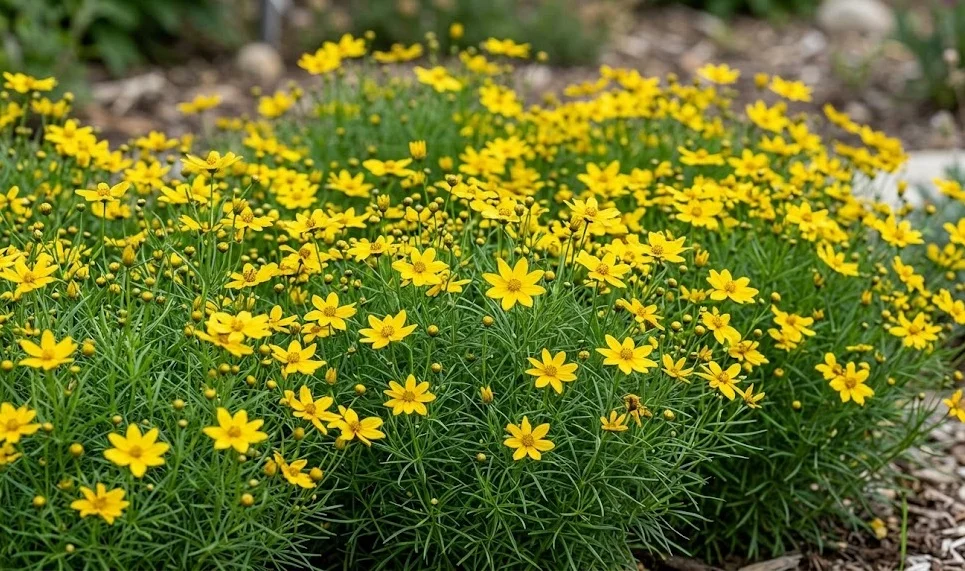

Maintaining a vibrant garden requires understanding the specific needs of each perennial you choose to include in your landscape. Narrow-leaf tickseed is a remarkably resilient plant that offers a fine-textured appearance and a wealth of golden blooms throughout the summer months. When you provide the right environment, this plant becomes a reliable cornerstone of any sunny border or meadow-style garden. It is essential to recognize that while it is a hardy species, its peak performance depends on a few fundamental care practices that cater to its natural growth habits.
General maintenance for healthy growth
Success with this particular perennial begins with consistent observation of its overall health and structural integrity during the growing season. You should regularly check the foliage for any signs of discoloration or wilting, which might indicate environmental stress. Although it is known for being relatively low-maintenance, a little attention goes a long way in ensuring the plant remains vigorous. Providing the right balance of care will keep the foliage looking airy and green from spring until the first frost.
The plant tends to form dense clumps over time, which contributes to its beautiful, bushy appearance in the garden bed. As these clumps expand, you might notice that the center of the plant becomes slightly less productive in terms of foliage density. This is a natural part of the aging process for many perennials and serves as a signal for future rejuvenation tasks. Keeping the area around the base free of debris will help maintain good air circulation and prevent moisture-related issues.
One of the most appealing aspects of this plant is its ability to withstand various weather conditions once it has become fully established. During the peak of summer heat, the fine foliage remains remarkably stable, provided the roots have access to sufficient subterranean moisture. You will find that this species does not require constant pampering, making it an excellent choice for busy gardeners. Its adaptability to different garden styles, from cottage to modern, makes it a versatile addition to any outdoor space.
Understanding the lifecycle of the blooms is also a critical component of professional-level care for this species. The flowers typically begin to appear in early summer and can continue well into the autumn if the conditions remain favorable. By observing the transition from bud to full bloom, you can better time your maintenance activities to support the plant’s energy. This long-flowering period is one of the primary reasons why this plant is so highly valued in professional landscape design.
More articles on this topic
Soil quality and preparation
The foundation of a thriving plant always lies in the quality and composition of the soil in which it resides. This species prefers soil that is well-draining, as sitting in heavy, waterlogged earth can lead to significant root problems over time. Ideally, the soil should be somewhat loamy or sandy, allowing excess moisture to move away from the crown effectively. If your garden has heavy clay, you might consider incorporating organic matter to improve the structure and drainage.
Nutrient levels in the soil do not need to be excessively high for this plant to produce its characteristic floral display. In fact, soil that is too rich can sometimes lead to leggy growth, where the stems become weak and prone to flopping. A moderate level of fertility is usually sufficient to support the fine-textured foliage and the abundance of small, star-shaped flowers. Testing your soil periodically can give you a better idea of what amendments might be necessary for long-term health.
The pH level of the soil is another factor that can influence the overall vitality of the narrow-leaf tickseed. It generally thrives in soil that is neutral to slightly alkaline, although it is quite tolerant of a broader range of conditions. If the soil is extremely acidic, the plant may struggle to take up certain micronutrients required for optimal growth. Adjusting the pH is a slow process, so it is best handled well before the main growing season begins.
Surface preparation around the plant is just as important as the subterranean environment you provide for the roots. Keeping the soil surface loose and free of a hard crust will allow oxygen and water to reach the root zone more easily. You should avoid compacting the soil by walking too close to the base of the plant during your routine maintenance. Healthy soil life, including beneficial microbes and earthworms, will thrive in this well-managed environment, further supporting the plant.
More articles on this topic
Enhancing the flowering period
To get the most out of the floral display, you should pay close attention to the development of the flower heads throughout the season. Deadheading, or the removal of spent blooms, is a highly effective way to encourage the plant to produce a second flush of flowers. While this can be a time-consuming task for larger drifts, the visual results are certainly worth the effort. This practice prevents the plant from putting all its energy into seed production, redirecting it toward new buds instead.
A mid-season shear can also be beneficial if the plant starts to look a bit tired or overgrown after the first major wave of blooming. Removing about a third of the growth will stimulate fresh, green foliage and often leads to a tidier appearance for the rest of the year. This technique is particularly useful in formal garden settings where a crisp look is desired. The plant responds quickly to this type of intervention, with new growth appearing within a couple of weeks.
Temperature fluctuations during the height of summer can sometimes impact the intensity of the floral colors. You might notice that the yellow hues become even more vibrant when the nights start to cool down slightly in late August. Maintaining a consistent environment as much as possible will help the plant sustain its beauty throughout these shifts. Providing a stable platform for growth allows the flowers to remain a focal point in the garden for a much longer duration.
Pollinators are naturally drawn to these bright blooms, which adds an extra layer of life and movement to your garden beds. By maintaining a healthy plant with plenty of flowers, you are supporting local bees and butterflies that rely on these nectar sources. This ecological benefit is a wonderful byproduct of good horticultural practices and adds value to your landscape beyond just aesthetics. Watching the interaction between nature and your plants is one of the most rewarding aspects of gardening.
Managing the growth habit
This perennial is known for its clump-forming nature, which can be quite expansive if the conditions are ideal for its growth. It spreads slowly through rhizomes, creating a dense mat of foliage that acts as an excellent groundcover over time. You should monitor the edges of the plant to ensure it does not encroach on its neighbors too aggressively. Keeping the growth within its designated space is a key part of maintaining a balanced and harmonious garden design.
The height of the plant usually reaches between fifteen to thirty inches, depending on the specific variety and the growing conditions. This medium stature makes it perfect for the middle of a border where it can provide a backdrop for smaller plants. If the stems grow too tall and start to lean, it might be an indication that the plant is receiving too much shade or too much nitrogen. Correcting these environmental factors is often better than trying to support the stems with stakes.
Density is one of the hallmarks of a well-grown specimen of this variety, providing a lush texture that contrasts well with broader-leaved plants. To maintain this density, you should ensure that the plant is not competing too heavily with weeds for resources. Regular weeding around the base will give the tickseed the space it needs to expand its canopy of fine leaves. A clean environment allows the intricate structure of the plant to be fully appreciated by anyone viewing the garden.
Observation of the plant’s architecture can tell you a lot about its current state of health and vigor. Healthy stems should be firm and the leaves should be a consistent green without any spots or yellowing. If you notice the plant starting to thin out in certain areas, it may be time to evaluate the sunlight or water levels. Maintaining the structural integrity of the clump ensures that it remains an attractive feature in the landscape throughout the entire year.
Seasonal transitions and care
As the season shifts from spring into the heat of summer, the care requirements for your plants will naturally evolve. During the spring, the focus is on supporting new growth and ensuring the soil is ready for the coming months. This is the time when the first shoots emerge, and you can see the potential for the upcoming floral display. Protecting these tender new parts from late frosts is occasionally necessary in cooler climates to prevent setbacks.
Summer brings the challenge of managing heat and ensuring the plant does not dry out completely during prolonged dry spells. While this species is drought-tolerant, it will look much better and bloom more profusely if it receives occasional deep watering. The focus during this time is on maintaining the beauty of the flowers and keeping the foliage fresh. Regular monitoring becomes more important as the temperatures rise and the sun becomes more intense.
When autumn arrives, the plant will slowly begin to prepare for its dormant phase as the days grow shorter and the air turns crisp. You will see the flowering slow down, and the foliage may begin to take on different hues as the chlorophyll recedes. This transition is a natural part of the perennial cycle and signals a change in your maintenance routine. It is a good time to reflect on the performance of the plant over the past few months.
Winter care involves leaving the plant alone for the most part, allowing the dead stems to provide some protection for the crown. Some gardeners prefer to leave the dried seed heads for winter interest and to provide food for birds. This architectural element can look quite striking when covered in a light dusting of frost or snow. The dormant period is essential for the plant to rest and gather energy for the following spring’s growth.
Impact of environmental factors
Air circulation is an often overlooked factor that can significantly impact the health of your narrow-leaf tickseed. If the plants are crowded too closely together, moisture can become trapped among the fine leaves, leading to potential issues. Ensuring there is enough space for air to move freely around each clump will help keep the foliage dry and healthy. This is especially important in humid climates where the air can feel heavy and stagnant during the summer months.
The presence of nearby structures or large trees can also influence how the plant grows by affecting light and wind patterns. While some protection from extreme winds can be beneficial, you should avoid planting it in areas that are too sheltered and dark. The plant thrives on the energy of the sun and the movement of the air, which help it stay strong and resilient. Choosing the right spot in your garden layout is a professional decision that pays off in the long run.
Rainfall patterns vary from year to year, and this plant is capable of adapting to these natural cycles with relative ease. During exceptionally rainy seasons, the primary concern shifts to ensuring that the drainage remains functional and the roots are not suffocating. Conversely, in very dry years, you might need to intervene more frequently to provide the hydration that nature is lacking. Being in tune with the local weather allows you to be a more proactive and successful gardener.
The surrounding ecosystem also plays a role in how your plants perform, as they are part of a larger web of life. Interacting with other plants and soil organisms creates a dynamic environment that can either support or challenge the tickseed. By fostering a healthy overall garden environment, you are providing the best possible home for this beautiful perennial. Understanding these broader connections is a hallmark of an expert approach to horticultural care and landscape management.
Long-term garden integration
Integrating this plant into your long-term garden plan requires a vision for how it will look as it matures over several years. It is not a plant that remains static; it will grow and change, adding more character to your garden beds with each passing season. You should consider how its fine texture will complement the changing palette of other perennials and shrubs in your landscape. Planning for its expansion ensures that it remains a welcome part of the community rather than an intruder.
Using this species as a repetitive element in a design can create a sense of rhythm and continuity across a large garden space. Its consistent blooming and reliable foliage make it an ideal candidate for this kind of structural role in a planting scheme. Whether used in small groups or as a broad sweep, it provides a reliable anchor that ties different areas together. This strategic use of plants is a common technique in professional landscape architecture.
Over time, you may find that you want to move some of the plants to new locations to refresh the look of your garden. Because they are generally hardy and adaptable, they tend to handle transplanting well if done at the right time of year. This flexibility allows you to experiment with different combinations and find the perfect spot for every specimen. Keeping your garden dynamic and evolving is part of the joy of working with such a versatile perennial.
Ultimately, the goal of caring for narrow-leaf tickseed is to create a sustainable and beautiful environment that thrives with minimal negative impact. By following these professional guidelines, you ensure that the plant remains a healthy and vibrant part of your outdoor world. The reward for your efforts is a stunning display of color and texture that brings pleasure to you and benefits the local environment. A well-cared-for garden is a testament to the skill and dedication of the person who tends it.

