
Successful propagation of the garden burning bush begins with a fundamental understanding of its unique seed characteristics and germination requirements. The seeds are relatively small and possess a hard outer coating that protects them during the dormant winter months in their native habitats. In a controlled garden environment, this dormancy must be respected to ensure a high germination rate when spring arrives. Recognizing that these seeds require specific temperature and light conditions is the first step toward a lush, green landscape.
Timing is critical when preparing to sow the seeds of this annual species, as they respond quickly to the warmth of the soil. In many regions, the seeds can remain viable in the soil for several years, waiting for the perfect window of opportunity to emerge. This resilience is a survival mechanism that allows the plant to colonize open ground rapidly. However, for the intentional gardener, managing this timing prevents the frustration of early frost damage or late-season stunted growth.
Light is another essential component of the germination process for the garden burning bush. Unlike some seeds that require deep burial, these prefer to be very close to the surface where they can sense the presence of sunlight. This photoblastic nature means that covering them too deeply with soil will result in a significant failure to sprout. Understanding this biological trigger allows you to prepare the seedbed with the precision needed for a successful start.
The moisture levels during the initial stages of life are delicate and must be managed with a gentle hand. The seeds need consistent hydration to soften the outer shell and trigger the embryo’s growth, but they are also prone to rotting in waterlogged conditions. Achieving the right balance of moisture and aeration is a skill that distinguishes the expert gardener from the novice. Once the first green shoots appear, the plant’s focus shifts from survival to rapid expansion.
The sowing process
Direct sowing is often the preferred method for establishing the garden burning bush because it avoids the stress of transplanting. Prepare the soil by raking it into a fine tilth and ensuring that all large clumps and debris have been removed. The seeds should be scattered thinly across the surface and then gently pressed into the earth to ensure good contact. A very light dusting of fine soil or sand can be applied, but remember that the seeds need light to germinate properly.
More articles on this topic
If you choose to start the plants indoors, use biodegradable peat or paper pots to minimize root disturbance later on. Sow the seeds about six to eight weeks before the last expected frost date in your area to give them a head start. Use a high-quality seed-starting mix that is light and well-draining to prevent damping-off, a common fungal issue for seedlings. Keep the trays in a warm, bright location, such as a south-facing windowsill or under specialized grow lights.
Watering the freshly sown seeds requires a fine mist to avoid washing the small seeds away or burying them too deeply. A spray bottle or a watering can with a very fine rose is ideal for this task until the seedlings have established a firm grip on the soil. The goal is to keep the surface consistently damp but never saturated. As the seedlings emerge and grow their first set of true leaves, you can begin to transition to a more standard watering routine.
Thinning is an essential part of the sowing process that many gardeners find difficult but is necessary for long-term health. Once the seedlings are a few inches tall, remove the smaller or weaker plants so that the remaining ones are spaced about 18 to 24 inches apart. This spacing ensures that each plant has enough room to develop its characteristic rounded shape and receives adequate airflow. Neglecting this step will lead to overcrowded, spindly plants that are more susceptible to disease.
Early stage development
The first few weeks after germination are a period of rapid cellular division and structural foundation building for the young plant. During this stage, the garden burning bush focuses on establishing a taproot that will eventually allow it to withstand periods of drought. It is important to provide steady moisture during this time, as the young root system is not yet deep enough to access lower water reserves. Watching the growth of the central stem will give you an idea of how vigorous the plant will become.
More articles on this topic
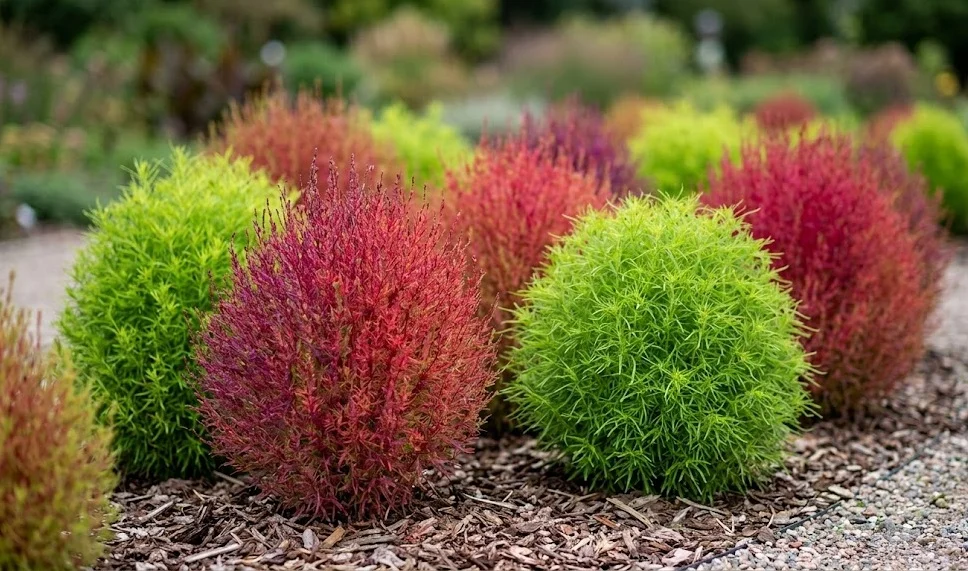
As the secondary branches begin to emerge, the plant will start to take on its recognizable feathery appearance. This is the ideal time to ensure that the light levels are sufficient, as low light will cause the plant to stretch and become weak. If you are growing seedlings indoors, this is also the period where you must begin the hardening-off process. Slowly increasing their exposure to outdoor conditions over a week or two will prevent transplant shock.
Feeding the young plants can be beneficial, but it must be done with caution to avoid burning the tender roots. A diluted, balanced liquid fertilizer can be applied once the plants have at least two sets of true leaves. This provides the necessary building blocks for the lush green foliage that is the hallmark of the species during the summer. Avoid over-fertilizing, as this can lead to soft growth that is more attractive to pests like aphids.
Monitoring for early pests is crucial during this developmental phase, as young tissues are particularly vulnerable. Keep an eye out for any distorted leaves or small insects congregating on the new growth tips. Early intervention with organic methods, such as a gentle stream of water or insecticidal soap, is usually enough to keep the situation under control. By protecting the plant during its infancy, you ensure it has the strength to reach its full potential.
Naturalized propagation
The garden burning bush is well known for its ability to self-seed, which can be a blessing or a challenge depending on your garden goals. As the plant turns red and eventually brown at the end of the season, it produces a vast quantity of seeds that are easily dispersed by the wind. If you enjoy a natural, informal look, you can allow the seeds to fall where they may and wait for new plants to emerge the following spring. This creates a self-sustaining cycle that requires very little effort from the gardener.
To manage the spread of the plant more intentionally, you can harvest the seeds once they have fully matured on the stalk. The seeds are ready when the seed pods feel dry and brittle to the touch and the seeds themselves are dark and hard. Simply cut the stalks and shake them into a paper bag or a bucket to collect the bounty. These collected seeds can then be cleaned and stored in a cool, dry place for precise planting in the next growing season.
If the plant has naturalized too successfully in your garden, you may find yourself with hundreds of unwanted seedlings in the spring. These are easily managed by hoeing the soil early in the season before they have a chance to establish deep roots. Being proactive about identifying the young seedlings will save you a lot of work later in the summer. Many gardeners find that a combination of controlled planting and selective weeding produces the best results.
Using the naturalized growth habit can also be an effective way to fill in large, difficult-to-manage areas of the landscape. The burning bush is excellent for covering bare ground quickly and providing a temporary hedge or screen. Because it is an annual, you have the flexibility to change your garden layout every year without the commitment of permanent shrubs. Understanding the lifecycle of this plant allows you to harness its reproductive energy for a beautiful and dynamic garden.