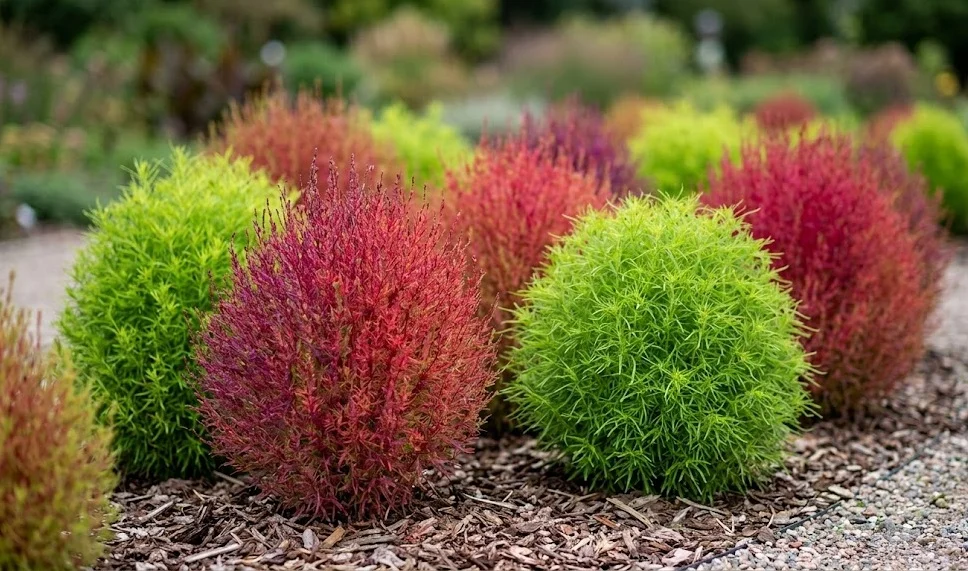

Pruning the garden burning bush is an optional but highly effective technique for those who wish to maintain a specific formal shape or increase the density of the foliage. While the plant naturally develops a pleasing rounded form, occasional light trimming can encourage more branching and a tighter, more compact appearance. This is particularly useful when using the plant as a low seasonal hedge or as a structured element in a knot garden. The key to successful pruning is to work with the plant’s natural growth habit rather than against it.
The best time to begin shaping your burning bush is in the early to mid-summer when it is growing most vigorously. Using a sharp pair of garden shears, you can lightly clip the outer tips of the branches to encourage the plant to fill in any gaps. This process, known as “pinching” or light shearing, triggers the dormant buds lower on the stems to grow, resulting in a much bushier specimen. Avoid cutting too deeply into the plant, as the inner branches may not sprout new growth as easily as the younger tips.
Maintaining a consistent shape requires a steady hand and a good eye for symmetry. Many professional gardeners prefer to prune the plant into a globe or an oval, mirroring its natural tendency but with a more polished finish. If you are growing a row of these plants, using a string line can help you maintain a uniform height and width across the entire group. This creates a clean, architectural line that provides a beautiful structure to the garden landscape.
One of the benefits of light pruning is that it can help the plant stay upright during heavy rains or wind. By reducing the overall “sail area” of the foliage and encouraging a sturdier internal structure, you make the plant less likely to flop over or splay open. However, do not over-prune, as the feathery texture of the leaves is its most attractive feature and should not be entirely lost to a rigid, sheared look. A light touch is always better than an aggressive one with this delicate species.
Seasonal pruning tasks
As the season progresses toward late summer, the focus of pruning shifts from shaping to maintenance. At this stage, you should look for any dead, damaged, or diseased branches that may be detracting from the plant’s health or appearance. Removing these sections promptly prevents the spread of pathogens and keeps the plant looking its best. Use clean, sterilized tools for this task to ensure that you do not accidentally introduce any new problems into the healthy tissue.
More articles on this topic
If the plant has grown larger than expected and is beginning to crowd its neighbors, more significant cutting back may be necessary. In this case, try to thin out individual branches from the base rather than just shearing the top. This allows more light and air to reach the center of the plant, which is vital for maintaining health in the dense late-season canopy. Being mindful of the surrounding plants ensures that the entire garden bed remains balanced and attractive.
During the peak of the autumn color change, most gardeners choose to stop pruning entirely to enjoy the full display. The brilliant red tips of the branches are the stars of the show, and any cutting at this point would remove the most colorful parts of the plant. Allow the bush to take on its natural, slightly wilder appearance as it reaches the end of its lifecycle. The transition from a tidy summer globe to a fiery autumn fountain is one of the great joys of growing this species.
Once the first hard frost has hit and the plant has turned brown, the final pruning task is the complete removal of the specimen. Since it is an annual, it will not grow back from the roots next year, so the entire structure can be cut down to the ground. This is the time to decide if you want to leave the dried stalks for winter interest or clear the bed for a clean look. Many professionals prefer to remove the plants once the seeds have dropped to prepare the soil for the next season.
Structural maintenance
The structural integrity of the garden burning bush can sometimes be compromised if it grows too quickly in rich soil or low light. If the plant begins to “split” in the middle, showing its inner stems, light pruning can sometimes help redistribute the weight. By shortening the outer branches, you reduce the leverage that causes them to pull away from the center. This restorative pruning should be done carefully to avoid leaving large, unsightly holes in the foliage.
More articles on this topic
Tools used for pruning the burning bush should always be kept sharp and clean to make the best possible cuts. Dull blades can crush the delicate stems rather than slicing through them, leading to ragged edges that are more prone to infection. A simple pair of bypass pruners or small garden shears is usually all that is needed for this task. After each use, wipe the blades with a cloth soaked in rubbing alcohol to prevent the transfer of any soil-borne diseases.
For those who enjoy the “tumbleweed” aspect of the plant, minimal pruning is the best approach. Allowing the plant to develop its full, natural size and shape ensures that it will have the structural lightness required to break away at the end of the season. If you are in an area where this is not desirable, cutting the plant at the base before it becomes brittle will prevent it from rolling away. Understanding the end-of-life behavior of the plant helps you manage it more effectively in a residential setting.
In summary, pruning the garden burning bush is a tool for customization and health management rather than a strict requirement. Whether you prefer a perfectly manicured globe or a natural, feathery look, a basic understanding of how the plant responds to cutting will help you achieve your goals. By observing the plant’s growth and responding with timely, professional interventions, you can ensure it remains a highlight of your garden from spring until the first winter snow.