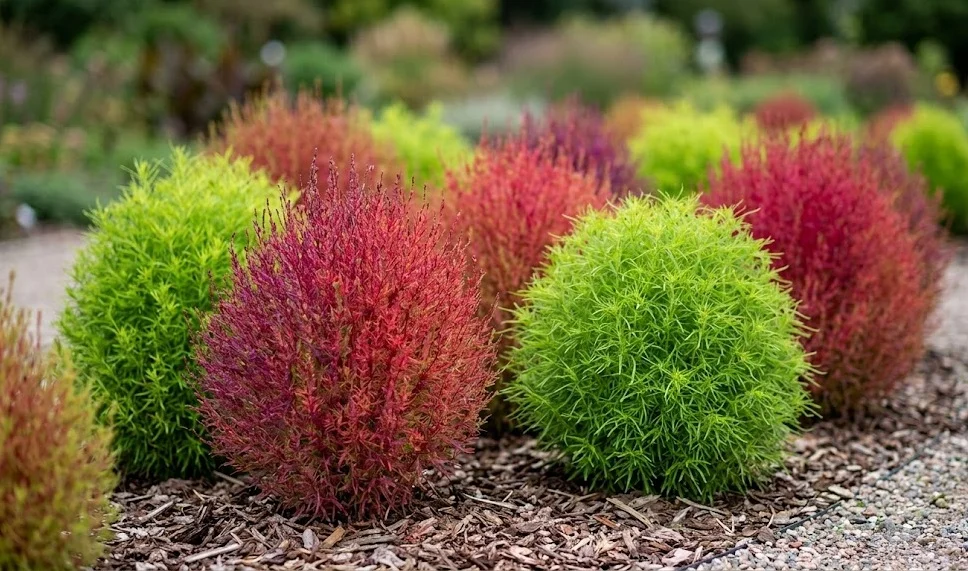

The garden burning bush is generally regarded as a robust and resilient species, but it is not entirely immune to the various pathogens that inhabit a garden. Fungal diseases are the most frequent challenge, particularly in climates where humidity is high and airflow is restricted. Recognizing the early signs of infection, such as unusual spotting or a powdery coating on the leaves, is essential for preventing a small issue from becoming a garden-wide epidemic. A professional approach involves regular inspections of the inner foliage, where moisture often lingers longest.
Powdery mildew is one of the most recognizable fungal issues that can affect the fine, feathery leaves of this plant. It appears as a white, flour-like dust that slowly spreads across the green surfaces, interfering with the plant’s ability to photosynthesize. While it rarely kills a mature plant, it can significantly detract from its visual appeal and weaken its overall vigor. Ensuring that the plants have adequate spacing and are not watered from above is the best way to keep this pathogen at bay.
Root rot is a more serious condition that typically stems from poor drainage or excessive irrigation. The first symptoms often include a sudden wilting of the entire plant, even when the soil appears to be wet. Upon inspection, the roots of an infected plant will be dark, mushy, and may emit an unpleasant odor. Once root rot has taken hold, it is very difficult to save the individual plant, so the focus must shift to improving the soil conditions for the remaining specimens.
Verticillium wilt is another soil-borne pathogen that can occasionally affect the garden burning bush, causing sudden yellowing and dieback of certain branches. This fungus invades the water-conducting tissues of the plant, effectively strangling it from the inside out. There is no cure for this disease, so infected plants should be removed and disposed of immediately to prevent the fungus from spreading through the soil. Maintaining healthy, well-aerated soil is the primary defense against such aggressive pathogens.
Pest infestations
While the garden burning bush is not a primary target for many common garden pests, it can occasionally host opportunistic insects. Aphids are perhaps the most frequent visitors, appearing as tiny green or black specks on the tender new growth at the tips of the branches. These sucking insects can cause the foliage to become distorted and sticky due to the honeydew they secrete. A light infestation is usually manageable, but a large population can sap the plant’s energy and stunt its development.
More articles on this topic
Spider mites can become a problem during the hot, dry weeks of mid-summer when the plant might be slightly stressed. These microscopic pests live on the undersides of the leaves and spin fine, silky webs that can eventually cover large sections of the foliage. Their feeding activity causes a characteristic stippling or bronzing of the leaves, which can be mistaken for environmental scorch. Increasing the humidity around the plant with a fine mist of water can often discourage these pests, as they thrive in arid conditions.
Scale insects are another potential threat, though they are less common on annuals than on perennial shrubs. These pests appear as small, immobile bumps on the stems and can be difficult to detect until the population is quite large. They feed on the plant’s sap, leading to a general decline in health and a loss of color. If you notice an infestation, physical removal or the application of horticultural oil can be effective control measures.
In some regions, grasshoppers or certain types of beetles may take an interest in the dense foliage of the burning bush. These chewing insects can quickly defoliate a plant if their numbers are high enough. While a few holes in the leaves are usually not a cause for concern, significant damage can impact the plant’s aesthetic value. Monitoring the garden for these larger pests and using physical barriers or organic deterrents can help protect your ornamental display.
Biological defense
Encouraging a healthy population of beneficial insects is one of the most effective and sustainable ways to manage pests on the garden burning bush. Ladybugs, lacewings, and hoverflies are natural predators of aphids and other soft-bodied insects. By creating a garden environment that supports these “good bugs,” you can often keep pest populations below the threshold where they cause visible damage. This approach reduces the need for chemical interventions and promotes a more balanced ecosystem.
More articles on this topic
Birds can also play a significant role in controlling larger pests like beetles and grasshoppers. Providing bird baths and nesting sites nearby will encourage these feathered allies to patrol your garden for insect snacks. Many small songbirds are particularly adept at gleaning insects from the fine branches of the burning bush. A garden that feels like a complete habitat is naturally more resilient to the occasional pest outbreak.
Companion planting is another professional technique used to ward off unwanted visitors. Certain strongly scented herbs or flowers can mask the presence of the burning bush or actively repel specific pests. For example, planting marigolds or alliums in the vicinity can help deter some of the insects that might otherwise be attracted to your ornamental plants. This multi-layered approach to garden design adds beauty while serving a practical, protective function.
Maintaining the overall health of the plant is itself a form of biological defense. A vigorous, well-hydrated, and properly nourished burning bush is much less likely to be targeted by pests than a stressed or weakened one. Insects are often attracted to plants that are already struggling, as their natural defenses are compromised. By following the best practices for watering and soil management, you are giving your plants the best possible chance to resist both disease and infestation.
Integrated pest management
Integrated Pest Management, or IPM, is a comprehensive strategy that prioritizes the least harmful methods of control first. It begins with regular scouting, where the gardener carefully examines the plants for any signs of trouble. If a problem is detected, the first step is to identify the cause accurately before taking any action. Many minor issues can be resolved simply by adjusting the care routine or manually removing a few individual pests.
Mechanical controls are the next line of defense in an IPM framework. For aphids or spider mites, a strong blast of water from a garden hose is often enough to dislodge the majority of the population. For larger pests like beetles, hand-picking them into a bucket of soapy water is a highly effective and chemical-free solution. These simple physical actions can prevent a small population from exploding into a major infestation.
If the problem persists, organic treatments such as insecticidal soaps or neem oil can be used. These substances are effective against many common pests but have a lower impact on the environment and beneficial insects than traditional synthetic pesticides. It is important to apply these treatments in the evening or on a cloudy day to avoid the risk of leaf scorch. Always test a small area of the plant first to ensure there is no adverse reaction to the treatment.
The use of synthetic chemicals should only be considered as a last resort when all other methods have failed and the survival of the plant is at stake. When using these products, it is vital to follow the label instructions exactly and to target the application only to the affected areas. Being a professional gardener means making informed choices that balance the needs of the individual plant with the health of the entire landscape. This disciplined approach ensures long-term success and environmental responsibility.
Preventive measures
Prevention is always the most efficient strategy when it comes to managing diseases and pests in the garden. Starting with high-quality, disease-free seeds or seedlings sets the foundation for a healthy growing season. If you are purchasing young plants, inspect them closely for any signs of hitchhiking pests or suspicious leaf spots before bringing them home. Quarantining new additions for a few days can also prevent the accidental introduction of problems into your established beds.
Sanitation is a critical component of a professional prevention program. Keep the area around your burning bushes free of fallen leaves, weeds, and other debris that could harbor pathogens or overwintering pests. Cleaning your garden tools with a mild disinfectant after working with potentially diseased plants prevents the cross-contamination of your landscape. A tidy garden is not just about aesthetics; it is a fundamental requirement for plant health.
Crop rotation is another valuable tool, even in an ornamental setting. If you have experienced significant disease issues with the burning bush in a particular spot, avoid planting it there again for at least a couple of years. This deprives the soil-borne pathogens of their preferred host and allows their populations to naturally decline. Using different sections of the garden for different types of plants each year keeps the soil ecosystem dynamic and healthy.
Finally, ensuring that your plants are appropriately matched to their environment is the ultimate preventive measure. A garden burning bush planted in full sun with excellent drainage is inherently more resistant to disease than one struggling in the shade or in waterlogged soil. By respecting the plant’s natural requirements, you minimize the stress that often leads to illness or infestation. Professional horticulture is as much about foresight and planning as it is about day-to-day care.