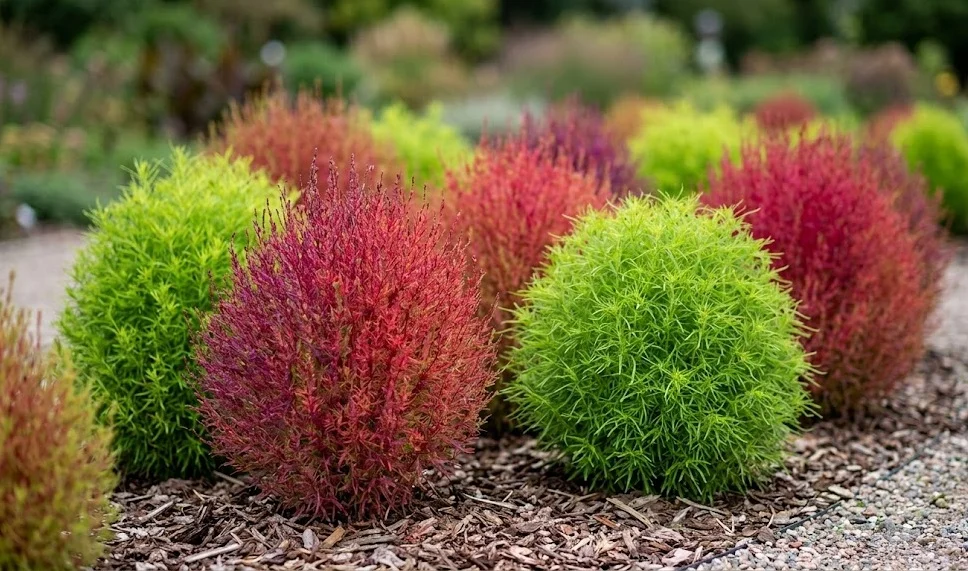

Maintaining a vibrant garden burning bush requires a deep understanding of its natural growth cycles and environmental preferences. This hardy annual is prized for its symmetrical, feathery appearance and its ability to transform into a brilliant crimson hue as autumn approaches. Success starts with selecting a location that mimics its native steppe environment, focusing on open spaces and excellent air circulation. By establishing a consistent observation routine, you can ensure the plant remains healthy and visually striking throughout the entire growing season.
The foundational care of this species involves monitoring the density of its foliage to prevent internal moisture buildup. While the plant is naturally resistant to many common garden stressors, it thrives best when provided with enough space to expand its rounded form. Crowding often leads to stunted growth and a loss of the characteristic globe-like shape that enthusiasts admire. Regularly checking the base of the plant for any signs of yellowing will help you identify issues before they compromise the entire structure.
Nutrient management plays a secondary but vital role in the overall maintenance of a healthy specimen. Although it is not a heavy feeder, providing a balanced environment allows the plant to reach its full height and density potential. Experts recommend avoiding high-nitrogen fertilizers late in the season, as this can delay the spectacular color change that occurs in the fall. Focus instead on maintaining a stable soil environment that supports steady, rather than explosive, growth.
In addition to physical care, understanding the plant’s reaction to local weather patterns is essential for long-term success. Extreme winds can sometimes de-shape the delicate branches, so providing a bit of natural shelter can be beneficial in exposed landscapes. If you notice the plant leaning significantly, it may require a small amount of support or a slight adjustment in the surrounding soil. Vigilance during the peak of summer ensures the plant retains its lush green color before the autumn transition begins.
Soil quality and drainage
The success of your garden burning bush is heavily dictated by the physical properties of the soil it inhabits. It prefers a well-draining substrate that allows oxygen to reach the roots while preventing water from pooling around the crown. Sandy or loamy soils are ideal because they provide the loose structure necessary for rapid root expansion during the early weeks of development. If your garden has heavy clay, you must incorporate organic matter or grit to improve the porosity of the site.
More articles on this topic
Soil pH is another factor that professional gardeners must consider when optimizing the health of this particular species. It generally performs best in neutral to slightly alkaline conditions, though it is adaptable to a wide range of chemical profiles. Testing your soil before the growing season begins can provide valuable insights into whether amendments like lime are necessary. Avoiding overly acidic environments will ensure that the plant can efficiently uptake the minerals required for its metabolic processes.
Aeration of the soil should be maintained throughout the growing period to prevent compaction, especially after heavy rainfall. Lightly hoeing the surface around the base of the plant helps keep the soil loose and discourages the growth of competing weeds. Be careful not to dig too deeply, as the root system of an annual can be sensitive to mechanical disturbance. A healthy, airy soil structure encourages the plant to develop a strong anchor, which is crucial for its upright habit.
Managing the organic content of the soil ensures a slow release of nutrients that benefits the plant over several months. While the burning bush is known for its ability to grow in poor soils, a moderate amount of compost can significantly enhance its vigor. Over-enriching the soil, however, can lead to leggy growth that lacks the structural integrity desired in a formal garden setting. Striking the right balance between fertility and drainage is the hallmark of professional horticultural practice.
Environmental adaptation
Acclimatizing the garden burning bush to its specific microclimate is a process that begins shortly after the first true leaves appear. This species is remarkably resilient to heat, but it must be slowly introduced to the intensity of direct summer sun if started indoors. Once established, it becomes a champion of the sun-drenched border, standing up to high temperatures that would wilt more delicate ornamentals. Understanding how your garden’s light patterns change throughout the day will help you place the plant for maximum impact.
More articles on this topic
Humidity levels also influence the way the plant develops its dense, feathery texture over time. In regions with high atmospheric moisture, it is crucial to ensure that plants are not spaced too closely together. Proper airflow between the individual bushes reduces the risk of stagnant air, which can lead to fungal developments within the dense foliage. In drier climates, the plant is exceptionally comfortable, making it an excellent choice for xeriscaping or low-water gardening themes.
Temperature fluctuations during the late spring can sometimes pose a challenge for young plants that have not yet hardened off. It is wise to wait until the danger of frost has completely passed before committing the burning bush to its permanent outdoor home. While the mature plant can handle the cooling temperatures of autumn, the young seedlings are quite tender and easily damaged by sudden cold snaps. Monitoring local weather forecasts during the transition period is a key responsibility for any dedicated gardener.
The plant’s ability to adapt to urban environments makes it a popular choice for city gardens and roadside plantings. It shows a surprising tolerance for air pollution and can thrive even in areas with less than ideal air quality. This adaptability extends to its salt tolerance, which is why it is often seen in coastal regions or along salted winter roadsides. Regardless of the specific environmental challenges, providing a stable foundation allows the plant to focus its energy on growth and color production.
Growth monitoring
Tracking the progress of the garden burning bush from a small seedling to a mature shrub is a rewarding horticultural experience. During the first few weeks of the growing season, growth may appear slow as the plant establishes its root network. However, once the temperature rises, you will notice a rapid increase in both height and girth. Documenting these changes can help you predict when the plant will reach its peak aesthetic value in your specific landscape.
Observation of the foliage color is the most effective way to gauge the internal health of the specimen. Healthy leaves should be a bright, consistent green with a soft, almost furry texture upon close inspection. Any signs of browning or premature reddening might indicate environmental stress or a lack of moisture. By catching these visual cues early, you can adjust your care routine to rectify the situation before the plant’s growth is stunted.
The structural development of the bush is another critical area that requires regular monitoring during the mid-summer months. It naturally forms a rounded or oval shape, but irregular growth can sometimes occur if light levels are uneven. If one side of the plant appears thinner than the other, it may be reaching toward a light source or responding to a nearby obstruction. Rotating container-grown specimens or thinning out nearby plants can help restore the desired symmetry.
As the season progresses toward autumn, the shift in pigments becomes the primary focus of the gardener’s observations. The transition from green to shades of pink, purple, and finally brilliant red is a biological response to shorter days and cooler nights. Ensuring the plant remains healthy during this phase is vital for achieving the most intense color display possible. A well-monitored plant will provide a spectacular finale to the garden year before it completes its annual lifecycle.
Managing structural integrity
The upright and bushy habit of this species is one of its most desirable traits for landscape design. To maintain this form, it is important to ensure that the plant does not become too top-heavy or leggy. This often happens when the plant is grown in insufficient light or when nitrogen levels in the soil are excessively high. Encouraging a sturdy central stem from an early age provides the necessary support for the dense outer branches.
In areas prone to heavy summer storms, the structural integrity of the burning bush can be put to the test. The fine leaves can hold a significant amount of rainwater, increasing the weight on the branches and potentially causing them to splay outward. If the plant loses its shape after a storm, gently shaking off excess water can help the branches return to their natural position. For particularly large specimens, a discreet circular support frame can be used to maintain the globe shape without being visible.
Spacing is perhaps the most influential factor in how the plant maintains its individual structure over time. When planted in groups, the bushes should be far enough apart that their outer edges barely touch at maturity. This allows each plant to receive light on all sides, preventing the “bald spots” that occur when plants are forced to compete for space. Professional landscapers often use a staggered planting pattern to maximize visual density while preserving the health of each individual.
As the plant matures, the lower branches may naturally become more woody and less leafy than the upper sections. This is a normal part of the aging process for this annual, but it can be managed through careful site selection. Placing lower-growing annuals in front of the burning bush can mask any legginess at the base. By focusing on the overall silhouette of the plant, you can ensure it remains a focal point in the garden until the very end of the season.
Enhancing visual appeal
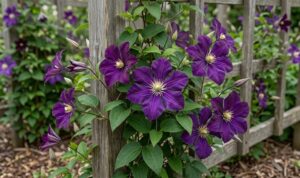
The aesthetic value of the garden burning bush is maximized when it is used as a structural element or a seasonal hedge. Its fine-textured foliage provides a wonderful contrast to broad-leaved perennials or bold-colored flowering plants. To enhance its appearance, consider how its lime-green summer color will interact with the surrounding palette. Many designers pair it with dark purple flowers or silver-foliaged plants to create a sophisticated and modern garden look.
The late-season color change is the most famous attribute of this plant and should be planned for accordingly. Since the reddening process is triggered by environmental cues, the intensity of the color can vary from year to year. Plants that receive full sun throughout the day generally produce the most vivid and uniform crimson hues. Positioning the plants where they catch the low light of the autumn sun can make the entire bush appear to glow from within.
Uniformity is key when using this species in formal designs or along walkways. By selecting seeds from a reliable source, you can increase the likelihood that all your plants will grow to a similar size and shape. If an individual plant grows much faster than its neighbors, light trimming can be used to bring it back into alignment. Maintaining a consistent look across a row of burning bushes creates a sense of rhythm and order in the garden.
Even after the vibrant red leaves have faded, the architectural form of the plant can offer interest in the early winter garden. Some gardeners choose to leave the dried structures in place for a few weeks to capture frost or light snow. The skeletal remains of the bush provide a delicate, ghost-like silhouette that adds a different dimension to the landscape. However, for a clean look, most professionals recommend removing the plants once the seeds have matured and the color has fully departed.
Long term sustainability
Sustainability in the context of growing the garden burning bush involves managing its prolific seed production. Because it is an annual that produces thousands of seeds, it has the potential to become invasive if left unchecked in certain regions. Professional care involves harvesting the plant or thinning seedlings before they have a chance to spread beyond the desired boundaries. Being a responsible gardener means enjoying the beauty of the plant while respecting the local ecosystem.
Mulching around the base of the plants is a sustainable practice that conserves moisture and suppresses weeds naturally. Using organic materials like shredded bark or leaf mold improves the soil quality as it decomposes over the season. This reduces the need for supplemental watering and chemical weed control, making your garden more environmentally friendly. A thick layer of mulch also protects the shallow roots from the intense heat of mid-summer.
Integrating the burning bush into a diverse planting scheme encourages beneficial insects and supports garden biodiversity. While it is not a primary nectar source, its dense structure provides excellent cover for small garden creatures and predatory insects. These natural allies help manage pest populations without the need for synthetic interventions. A balanced garden ecosystem is the most sustainable way to ensure the health of all your ornamental plants.
Finally, saving seeds from your best-performing plants is a traditional and sustainable way to continue the cycle for the next year. Choose the specimens that showed the best shape, most intense color, and highest resistance to stress. By selecting for these traits, you can develop a strain that is perfectly adapted to your specific garden conditions. This practice not only saves money but also deepens your connection to the natural rhythm of the seasons.