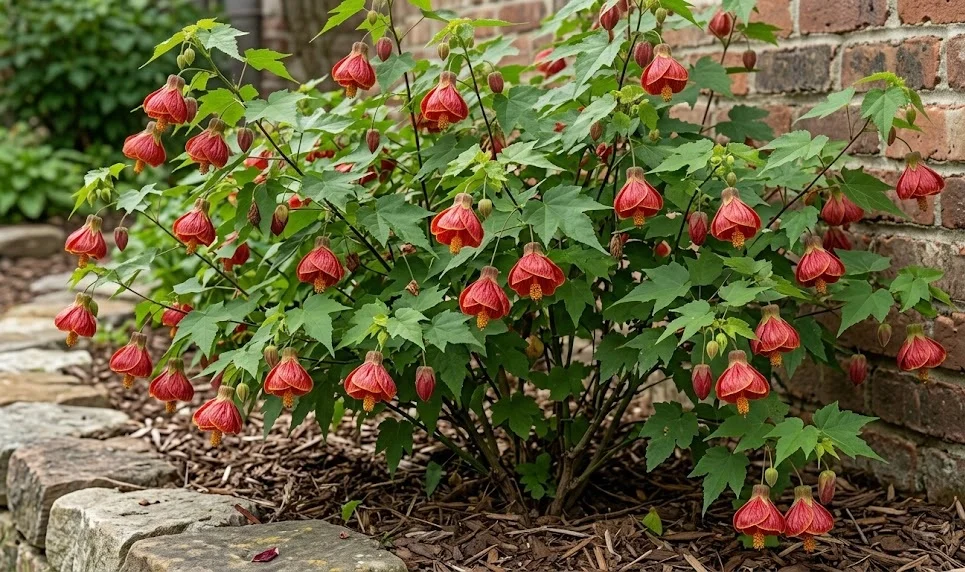

Protecting the garden flowering maple from biological threats is a constant task for any dedicated gardener. While these plants are generally robust, their soft, succulent growth and large leaves can be an attractive target for a variety of sap-sucking insects and fungal pathogens. Developing a proactive strategy that combines regular monitoring with environmentally sensitive treatments is the best way to keep your specimens healthy. By understanding the common enemies of this species, you can intervene early and prevent minor issues from turning into major infestations that threaten the life of the plant.
Common fungal and bacterial challenges
Fungal diseases are often the most frequent problem encountered by those growing flowering maples, especially in humid or poorly ventilated areas. Powdery mildew is a classic example, appearing as a white, flour-like dusting on the surface of the leaves and young stems. While it rarely kills a mature plant, it can significantly reduce its vigor and aesthetic appeal by interfering with photosynthesis. Improving air circulation around the plant and avoiding overhead watering are the two most effective ways to prevent this unsightly fungus from taking hold.
Rust is another fungal pathogen that can affect this species, typically manifesting as small, orange or brown pustules on the undersides of the leaves. Infected foliage may eventually turn yellow and drop prematurely, weakening the overall structure of the shrub. Because rust spores are often spread by wind and water splashes, keeping the garden tidy and removing any fallen, infected leaves is crucial. If the infection becomes severe, applying a sulfur-based fungicide can help manage the spread and protect new growth.
Root rot is perhaps the most dangerous threat, as it occurs hidden beneath the soil surface and is often advanced by the time symptoms appear. This condition is almost always a result of overwatering or poor drainage, which creates an anaerobic environment where harmful water molds can flourish. Affected plants will show a sudden wilting and yellowing that does not improve with watering, and the base of the stem may feel soft or appear dark. Prevention through proper soil management is the only reliable cure, as once the roots have significantly rotted, the plant is very difficult to save.
Botrytis, also known as gray mold, can sometimes target the delicate flowers and buds during periods of cool, wet weather. It appears as a fuzzy, gray coating that causes the blooms to turn brown and collapse before they can fully open. To manage this, promptly remove any infected flowers and ensure the plant has enough space for air to move through its canopy. Reducing the humidity around the plant by thinning out dense growth can also help create a less hospitable environment for this opportunistic fungus.
More articles on this topic
Managing sap-sucking insect pests
Aphids are among the most common pests you will encounter, often congregating in large numbers on the tender new growth and flower buds. These tiny, soft-bodied insects feed by piercing the plant tissues and sucking out the nutrient-rich sap, causing distorted leaves and stunted development. They also excrete a sticky substance called honeydew, which can attract ants and provide a growing medium for black sooty mold. A strong stream of water can often knock them off the plant, or you can use an insecticidal soap for more persistent populations.
Spider mites are a particularly troublesome pest that often thrives in hot, dry conditions where the plant might already be slightly stressed. They are so small they are difficult to see with the naked eye, but their presence is given away by fine webbing and a characteristic stippling or “bronzing” of the leaves. Because they reproduce so quickly, a small population can explode into a major problem in just a few days of warm weather. Regularly misting the foliage or increasing the local humidity can help deter these mites, as they prefer a much drier environment.
Whiteflies are another frequent visitor, often found hanging out on the undersides of the leaves in large, fluttering clouds when the plant is disturbed. Like aphids, they weaken the plant by feeding on its sap and producing large amounts of sticky honeydew that coats the foliage. They can be difficult to control because they are highly mobile and quickly move between different plants in the garden. Using yellow sticky traps can help monitor their numbers, while regular applications of neem oil can disrupt their life cycle and reduce the population over time.
Scale insects and mealybugs are more sedentary pests that can be found tucked away in the leaf axils or along the stems where they are less visible. Scale looks like small, hard bumps on the bark, while mealybugs resemble tiny tufts of white cotton wool. Both of these pests are protected by a waxy coating, making them somewhat resistant to contact sprays once they have matured. Pruning out heavily infested branches or using a cotton swab dipped in alcohol to manually remove individual insects is often the most effective way to manage these hidden invaders.
More articles on this topic
Integrated Pest Management strategies
The most effective way to handle pests and diseases is through a system known as Integrated Pest Management, or IPM, which focuses on long-term prevention. Instead of reaching for a chemical spray at the first sign of an insect, the IPM approach uses a combination of biological, cultural, and physical controls. This starts with keeping your plants as healthy as possible, as a vigorous specimen is much more capable of defending itself against attackers. Simple steps like proper watering, correct fertilization, and adequate spacing form the first line of defense in any garden.
Encouraging natural predators is a key component of a biological control strategy that works with nature rather than against it. Ladybugs, lacewings, and predatory mites are all voracious eaters of the common pests that plague the flowering maple. By avoiding the use of broad-spectrum pesticides, you allow these “good bugs” to establish themselves in your garden and keep pest populations in check naturally. Planting a variety of nectar-rich flowers nearby can also help attract and sustain these beneficial insects throughout the year.
Regular scouting and monitoring are essential physical controls that allow you to catch problems while they are still small and manageable. Taking a few minutes each week to look closely at the foliage and stems can save you a lot of trouble later in the season. If you find a few aphids or a single scale insect, you can often remove them by hand or with a quick blast of water before they have a chance to multiply. This “early intervention” mindset is one of the most valuable skills a gardener can develop for maintaining a healthy collection.
When physical and biological controls are not enough, choosing the least toxic chemical options is the final step in the IPM hierarchy. Products like insecticidal soaps, horticultural oils, and neem oil are highly effective against many common pests while being relatively safe for humans and the environment. These treatments work through physical means, such as smothering the insects or disrupting their feeding, rather than through systemic toxicity. Always read the label and apply these products in the early morning or late evening to avoid any risk of leaf burn or harming active pollinators.
Environmental and physiological issues
Sometimes the problems your plant faces are not caused by living organisms but by environmental factors that lead to physiological stress. For example, sudden changes in temperature or light levels can cause the plant to drop its leaves or buds as a defensive reaction. This “stress drop” is a common occurrence when a plant is moved from a greenhouse to a garden or when the weather turns suddenly cold in the autumn. Providing a stable environment and allowing the plant to acclimate gradually to new conditions will minimize these dramatic responses.
Nutrient deficiencies can also manifest as symptoms that look like diseases to the untrained eye. As mentioned before, yellowing between the leaf veins often points to a lack of minerals like iron or magnesium rather than a fungal infection. Similarly, if the plant is receiving too much direct sun, the leaves may develop pale, bleached spots known as sunscald. Understanding the difference between a biological infection and an environmental imbalance is key to providing the correct solution for your plant’s needs.
Water stress, whether too much or too little, is the root cause of many physiological problems that eventually lead to secondary infections. A plant that is consistently underwatered will have weakened cell walls, making it much easier for pests to penetrate the tissues and feed. Conversely, overwatered plants have compromised root systems that are much more susceptible to soil-borne pathogens. Maintaining a consistent hydration schedule is perhaps the single most important thing you can do to bolster your plant’s overall health and resistance.
Finally, consider the age and natural life cycle of the plant when evaluating its health and appearance. It is perfectly normal for some older leaves at the bottom of the plant to yellow and fall off as the shrub grows and produces new foliage at the top. This natural shedding should not be confused with a disease, provided the rest of the plant looks vibrant and productive. Learning to distinguish between the natural processes of growth and the signs of genuine distress will help you become a more confident and effective gardener.
Maintaining a clean and healthy garden
Sanitation is a powerful but often overlooked tool in the fight against pests and diseases in any agricultural or horticultural setting. Keeping the area around your flowering maple free of weeds, fallen leaves, and other debris removes hiding places for insects and sources of fungal spores. Many pathogens overwinter in dead plant material, so a thorough cleanup in the autumn is essential for preventing problems from returning the following spring. Investing a little time in general garden maintenance pays off in a much healthier and more resilient plant population.
Sterilizing your pruning tools between uses is another critical step that prevents the accidental spread of diseases from one plant to another. A quick wipe with a disinfectant or a dip in a weak bleach solution is all it takes to ensure your shears are clean and safe to use. This is particularly important if you are removing diseased wood or working with multiple plants in a single session. This simple habit is one of the best ways to protect your entire collection from the rapid spread of viral or bacterial infections.
Quarantining new plants before adding them to your main garden collection is a wise precaution that can save you a lot of heartache. When you bring home a new flowering maple from a nursery, keep it separated from your other plants for a week or two and watch it closely for any signs of pests or disease. This “waiting period” allows any hidden issues to manifest themselves in a controlled environment where they can be treated without risking the rest of your garden. It is a small inconvenience that provides a massive amount of security for your existing plants.
Ultimately, the goal is to create a garden ecosystem that is balanced enough to handle the occasional pest or disease without suffering significant damage. No garden is ever completely free of bugs or fungi, and a few minor imperfections are simply a part of growing living things in the real world. By focusing on the fundamentals of plant health and staying observant, you can enjoy the beauty of your garden flowering maple while keeping its enemies at bay. A proactive and informed approach is the hallmark of a truly expert gardener.