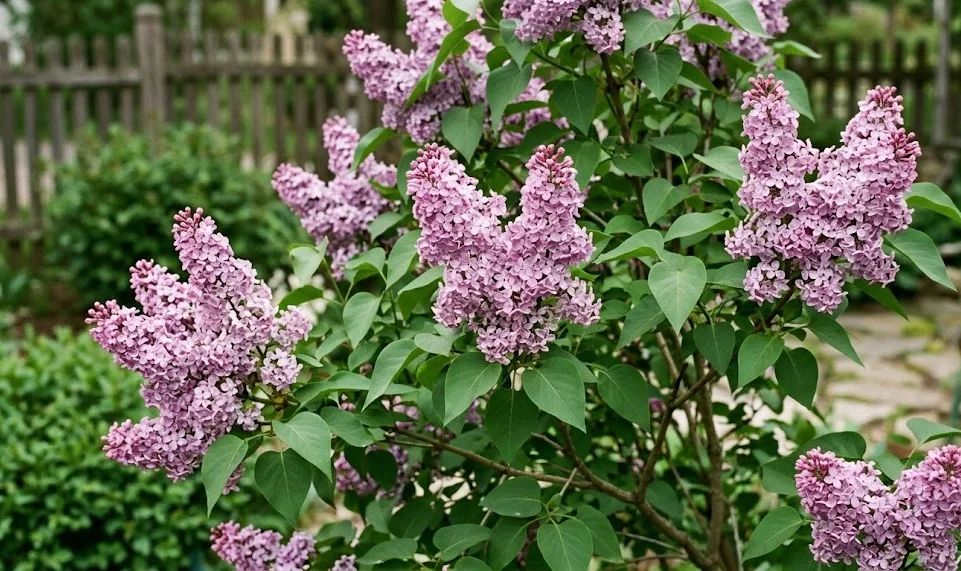

The successful establishment of a new specimen begins long before the first shovel hits the ground. You must carefully consider the biological requirements of these iconic shrubs to ensure they transition smoothly from the nursery to your garden. A well-planned planting strategy sets the stage for a lifetime of fragrant blooms and structural integrity. Professionals understand that the initial steps taken during planting are the most critical for the plant’s long-term survival and vigor.
Selecting the ideal site
Choosing the right location is the most important decision you will make for your new shrub. You must find a spot that receives at least six to eight hours of direct sunlight every day. Without sufficient light, the plant will produce leggy growth and very few flower clusters. Furthermore, the site should have excellent air drainage to prevent the buildup of fungal spores on the leaves.
The soil at the chosen site must be evaluated for its texture and drainage capabilities. You should avoid areas where water tends to collect after a heavy rain, as these plants do not tolerate “wet feet.” A slightly elevated spot or a gentle slope can provide the natural drainage required for healthy root development. If your garden has heavy clay, you might consider building a raised bed to provide a more hospitable environment.
Spatial requirements are another crucial factor to keep in mind when planning your layout. You should research the mature size of the specific variety you are planting to avoid overcrowding. Giving each shrub enough room to reach its full potential ensures that air can circulate freely around the entire canopy. Overcrowding often leads to a decline in health and an increase in pest problems as the plants compete for resources.
Finally, consider the proximity to other structures and large trees that might cast shade. You should avoid planting directly under the drip line of large maples or oaks, which will compete for water and nutrients. A clear, open area away from aggressive root systems will give your lilac the best chance to thrive. Taking the time to observe the shadows in your garden throughout the day will help you find the perfect permanent home.
More articles on this topic
The technical planting process
Once the site is selected, you should dig a hole that is twice as wide as the root ball but no deeper. This wide hole allows the new roots to penetrate the surrounding soil more easily as they begin to expand. You should avoid digging too deep, as the settling of the soil can cause the plant to sink below its original level. Keeping the crown slightly above the soil line prevents moisture from collecting around the base of the stems.
Before placing the plant in the hole, you should gently loosen any circling roots that may have formed in the nursery pot. If the roots are tightly bound, you might need to make several vertical cuts to encourage them to grow outward. This step is essential for preventing the roots from girdling the trunk as the plant matures. Position the shrub in the center of the hole and ensure it is standing perfectly upright before you begin backfilling.
Backfilling should be done with the original soil to encourage the roots to adapt to the local environment. You should avoid adding too many amendments to the hole itself, as this can create a “container effect” where the roots refuse to leave the rich pocket of soil. Firm the soil gently with your hands as you go to remove any large air pockets that could dry out the roots. Once the hole is filled, create a small basin of soil around the edge to help hold water during the initial soak.
Immediate watering after planting is non-negotiable for settling the soil and hydrating the root system. You should apply water slowly until the entire planting area is thoroughly saturated. This first deep watering helps eliminate any remaining air gaps and ensures intimate contact between the roots and the earth. Apply a layer of mulch around the base, keeping it away from the bark, to help retain this vital moisture during the first few weeks.
More articles on this topic
Propagation through softwood cuttings
If you wish to expand your collection, taking softwood cuttings in late spring is a highly effective method. You should look for new growth that is still flexible but has started to firm up slightly at the base. These cuttings are usually taken in the early morning when the plant is most turgid and full of moisture. A clean, sharp pair of snips is essential to prevent crushing the delicate vascular tissue of the stem.
Each cutting should be about four to six inches long and include at least two or three leaf nodes. You must remove the lower leaves to expose the nodes where the new roots will eventually emerge. To improve the success rate, you can dip the base of the cutting into a rooting hormone powder or gel. This stimulant helps the plant transition from producing leaves to developing a functional root system.
The rooting medium should be a sterile, well-draining mix of perlite and peat moss or a similar professional blend. You should insert the cuttings into the medium and firm them in place to ensure good contact. Maintaining high humidity is critical during this stage, so many gardeners use a clear plastic dome or a misting system. Place the containers in a bright location but away from direct sunlight, which could overheat the cuttings.
Roots typically begin to form within four to six weeks, depending on the temperature and humidity levels. You can check for progress by giving the cuttings a very gentle tug to see if there is any resistance. Once a healthy root system has developed, you should gradually acclimate the young plants to lower humidity levels. After a period of hardening off, they can be moved into individual pots to continue their growth before being planted out.
Division and using root suckers
For established plants, utilizing root suckers is one of the simplest ways to propagate new specimens. You will often notice young shoots emerging from the ground around the base of a mature shrub. These suckers are genetically identical to the parent plant and already have a head start with a small root system. In early spring, before the leaves emerge, you can carefully dig around a sucker to locate its connection to the main root.
Using a sharp spade, you should sever the connection between the sucker and the parent plant. Make sure to keep as many of the sucker’s own fibrous roots intact as possible during this process. Lift the young plant carefully and move it immediately to its new location or a temporary nursery bed. This method is particularly useful for older varieties that naturally produce a lot of subterranean growth.
Large, multi-stemmed shrubs can also be divided by splitting the entire root mass, though this is a more intensive process. You would typically do this during the dormant season to minimize the shock to the plant’s system. By dividing the crown into several smaller sections, you can rejuvenate an old plant and gain several new ones simultaneously. Ensure that each division has a good balance of healthy stems and a substantial portion of the root system.
Care for these new divisions is similar to that of a newly planted nursery shrub. You should provide consistent water and protection from extreme weather until they show signs of new growth. Because they already have an established root structure, suckers and divisions often grow much faster than cuttings. This technique allows you to preserve the legacy of a favorite plant and share it with other gardeners in your community.