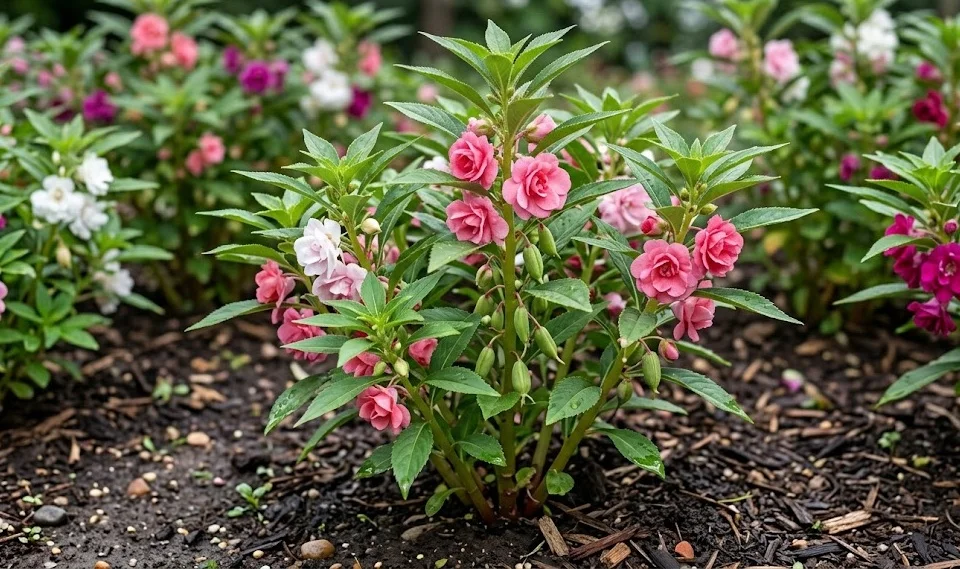

Maintaining a healthy garden balsam involves more than just providing water and food; it also requires a vigilant eye for the various pests and diseases that can threaten its vitality. Because of their succulent nature and preference for humid conditions, these plants can occasionally fall victim to fungal pathogens and opportunistic insects. A proactive approach that emphasizes prevention and early detection is always more effective than trying to manage a full-blown infestation. By understanding the common threats and their symptoms, you can protect your floral display and ensure it remains a highlight of your landscape all season long.
Fungal diseases are perhaps the most common issue for garden balsam, especially during periods of high humidity or excessive rainfall. Powdery mildew is a frequent visitor, appearing as a white, flour-like dusting on the surface of the leaves and stems. This fungus thrives in stagnant air and can quickly spread across an entire planting if the plants are spaced too closely together. While it rarely kills the plant outright, it can significantly weaken it and detract from the overall beauty of the foliage.
Botrytis blight, also known as gray mold, is another fungal pathogen that can cause serious damage to the flowers and young shoots of the balsam. It typically appears as fuzzy, brownish-gray patches on aging blossoms or wounded tissues, especially when the weather is cool and damp. This disease can cause the flowers to rot prematurely and may even lead to the death of entire stems if left unchecked. Removing spent flowers and improving air circulation are the primary ways to prevent this mold from taking hold in your garden.
Root and stem rot are serious conditions that are almost always the result of poor drainage or overwatering in heavy soils. These soil-borne pathogens attack the plant’s vascular system, causing it to wilt suddenly even when the soil is visibly wet. You might notice the base of the stem turning black or brown and becoming soft to the touch as the tissues decompose. Unfortunately, once rot has reached an advanced stage, the plant can rarely be saved, and it is best to remove it and improve the soil conditions before replanting.
Damping-off is a specific fungal problem that affects young seedlings, causing them to collapse and die shortly after they emerge from the soil. This issue is most common when seeds are started indoors in soil that is too wet or when the air temperature is too low. Using sterile seed-starting mixes and ensuring good ventilation are the best ways to protect your new balsam starts from this frustrating disease. Once a seedling has collapsed from damping-off, it cannot be revived, so prevention is the only viable strategy for the home gardener.
More articles on this topic
Identifying and managing common insect pests
Aphids are one of the most persistent insect pests that you are likely to encounter on your garden balsam. These tiny, soft-bodied insects cluster on the undersides of leaves and on new growth, sucking the nutrient-rich sap from the plant. An aphid infestation can cause the leaves to curl and yellow, and the sticky “honeydew” they excrete can attract ants and promote the growth of sooty mold. A strong blast of water from the garden hose is often enough to dislodge these pests and keep their numbers under control.
Spider mites are another common threat, particularly during hot and dry periods when the plants are already under some environmental stress. These microscopic pests are difficult to see with the naked eye, but their presence is signaled by fine webbing between leaves and a characteristic stippling of the foliage. The leaves may take on a bronze or yellowish appearance as the mites feed on the individual plant cells. Increasing the local humidity around the plants and using insecticidal soaps can help to manage these tiny but destructive arachnids.
Whiteflies are small, moth-like insects that can be seen fluttering around the plants when the foliage is disturbed. Like aphids, they feed on the plant’s sap and can cause a general decline in vigor if their population is allowed to explode. They are often found on the undersides of the leaves, where they lay their eggs and continue their life cycle in relative safety. Yellow sticky traps can be used to monitor their presence and capture many of the adults before they can cause significant damage.
Slugs and snails can be particularly problematic for balsam, as they find the succulent stems and leaves to be a delicious and easy source of food. They are primarily active at night or during damp, cloudy weather, leaving behind ragged holes in the foliage and telltale silvery slime trails. Creating barriers of crushed eggshells or diatomaceous earth around the base of the plants can help to deter these slimy intruders. Hand-picking them in the early morning or late evening is also a very effective, albeit time-consuming, way to protect your garden.
More articles on this topic
Implementing an integrated pest management strategy
The first line of defense against any garden threat is the cultivation of strong and healthy plants that can naturally resist attack. Stressed plants are much more attractive to pests and are less able to recover from the damage they cause. By providing the ideal light, soil, and moisture for your balsam, you are already doing the most important work of pest and disease management. This holistic approach reduces the need for chemical interventions and promotes a more balanced and healthy garden ecosystem.
Encouraging beneficial insects, such as ladybugs and lacewings, is a professional technique for keeping pest populations in check naturally. These “gardeners’ friends” prey on aphids, mites, and other common pests, providing a constant and effective form of biological control. Avoiding the use of broad-spectrum insecticides is crucial for maintaining a healthy population of these helpful predators in your landscape. Planting a variety of flowering species nearby can also attract and support these beneficial insects throughout the growing season.
Regular scouting of your garden beds is a simple but vital practice that allows you to catch problems in their earliest and most manageable stages. Take a few minutes several times a week to look closely at the foliage, stems, and undersides of the leaves of your balsam plants. Look for changes in color, unusual spots, or the presence of any insects that don’t belong there. This direct observation allows you to act quickly, whether it’s removing a few infected leaves or applying a targeted treatment to a small area.
When intervention is necessary, always start with the least toxic and most specific methods available to you. For many fungal issues, a simple spray made from baking soda and water or a milk-based solution can be surprisingly effective. For insect pests, neem oil and insecticidal soaps offer a safer alternative to harsh synthetic chemicals that might harm pollinators. Always test any new treatment on a single leaf first to ensure that it doesn’t cause damage to the sensitive tissues of the balsam.
Environmental stressors and physiological disorders
Sometimes, the problems you see on your garden balsam are not caused by a disease or a pest, but by environmental stress. Edema is a physiological disorder that occurs when the plant takes up water more quickly than it can lose it through transpiration. This results in small, blister-like bumps on the undersides of the leaves that eventually turn brown and corky. Improving drainage and ensuring the air around the plants is not too humid can help to prevent this unsightly but non-lethal condition.
Nutrient deficiencies can also mimic the symptoms of various diseases, leading to confusion for many home gardeners. For example, a lack of nitrogen can cause a general yellowing of the older leaves, while a lack of iron can cause the new growth to be pale. Understanding the specific patterns of these discolorations can help you diagnose the problem more accurately and provide the correct remedy. A balanced fertilization program and healthy soil pH are the best ways to ensure your balsam has everything it needs to stay green and vibrant.
Sunscald can occur if plants that are accustomed to the shade are suddenly exposed to intense, direct sunlight for several hours. This results in bleached or papery patches on the leaves where the delicate tissues have essentially been “cooked” by the sun’s rays. If you need to move your balsam to a sunnier location, do it gradually over several days to allow the leaves to adapt to the higher light levels. Providing temporary shade during heatwaves can also protect your plants from this type of environmental damage.
Chemical drift from nearby herbicide applications can also cause unusual growth patterns or discoloration in the sensitive balsam foliage. If you notice twisted stems, distorted leaves, or sudden wilting that doesn’t respond to water, consider whether any spraying has occurred in the vicinity. Unfortunately, there is little you can do for a plant affected by herbicide drift other than providing good care and hoping it recovers. Being mindful of your own use of chemicals and communicating with neighbors can help to prevent these accidental issues.
Long-term health through proper garden hygiene
Practicing good garden hygiene is one of the most effective ways to break the life cycles of pests and diseases in your landscape. At the end of the growing season, be sure to remove all spent plants and fallen debris from your garden beds. Many pathogens and insects overwinter in the decaying foliage, waiting for the return of warm weather to re-emerge and attack your new plantings. Disposing of this material in the trash rather than the compost pile is a safer bet if you have had significant disease problems.
Rotating your planting locations from year to year can also help to prevent the buildup of soil-borne diseases in any one spot. If you have grown balsam in the same bed for several seasons and notice a decline in health, try moving them to a fresh location next spring. This simple change can make a huge difference in the vigor of the plants and their ability to resist local pathogens. It also gives the soil in the previous location a chance to rest and recover its natural balance of microbes.
Disinfecting your garden tools is a professional habit that prevents the accidental spread of disease between different parts of your yard. After working with a plant that shows signs of illness, wipe your pruners or trowel with a solution of ten percent bleach or rubbing alcohol. This small step can save you a lot of heartache by stopping a localized problem from becoming a garden-wide epidemic. Keeping your tools sharp and clean also makes your garden tasks more enjoyable and efficient.
Ultimately, the key to managing diseases and pests is to view them as a natural part of the gardening experience rather than a failure on your part. Even the most expert gardeners deal with occasional outbreaks of aphids or mildew from time to time. By remaining observant, informed, and proactive, you can minimize the impact of these challenges and enjoy a beautiful garden balsam display year after year. Every season brings new lessons that will help you become a more skilled and successful steward of your outdoor space.