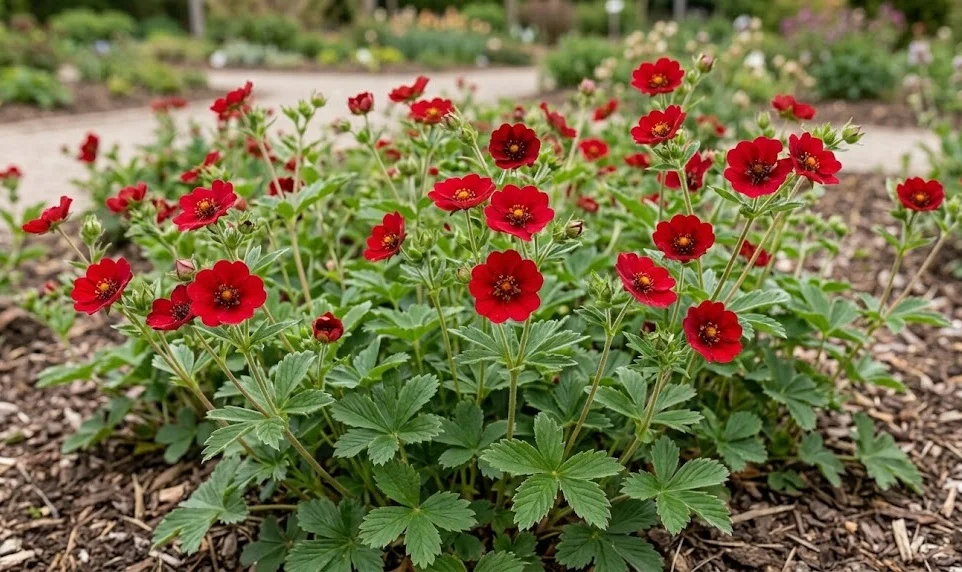

Mastering the balance of hydration and nutrition is essential for any professional who wishes to see these perennials reach their full aesthetic potential. You should recognize that while these plants are drought-tolerant once established, they require a specific approach to watering during their active growth phases. Similarly, fertilization must be handled with a gentle touch to avoid encouraging excessive foliage at the expense of the iconic crimson flowers. By applying these professional techniques, you will create a robust environment where your plants can truly flourish and shine.
The primary rule of watering is to focus on the roots and the soil rather than the leaves and the flowers. You should aim to deliver water directly to the base of the plant using a low-pressure source to ensure deep penetration. When the foliage remains dry, you significantly reduce the risk of fungal diseases that thrive in damp, stagnant conditions. Watering early in the morning is the most effective strategy, as it allows the plant to hydrate before the sun reaches its peak intensity.
Consistency is more important than quantity when it comes to maintaining the right moisture levels in a professional garden bed. You should monitor the soil moisture by feeling it with your fingers a few inches below the surface before deciding to water. If the soil feels damp, it is often better to wait another day rather than risk over-saturating the root zone. Overwatering is a common mistake that can lead to root rot and a general decline in the plant’s overall health and vigor.
During the heat of the summer, the demand for water increases as the plant works hard to support its large leaves and many blooms. You should be prepared to increase the frequency of your watering sessions if you notice any signs of temporary wilting in the late afternoon. However, the plant should recover quickly overnight if the underlying soil moisture is adequate for its needs. Understanding these daily cycles of hydration and transpiration is key to becoming a more effective and professional garden manager.
Strategic nutrient application
Providing the right nutrients at the right time is the second pillar of a successful professional maintenance plan for these perennials. You should start the season with a light application of a balanced, slow-release fertilizer just as the new growth begins to emerge. This early boost provides the essential elements needed for the plant to build a strong frame of stems and healthy green leaves. Avoid high-nitrogen fertilizers that might lead to lanky growth and few flowers, which is not the desired outcome for this species.
More articles on this topic
Organic options, such as well-rotted compost or seaweed-based liquid feeds, are often the preferred choice for sustainable garden management. You should apply a layer of compost around the base of the plants each spring to improve the soil structure and provide a natural source of nutrients. This slow-release method mimics the natural processes of the forest floor and supports a healthy community of soil microorganisms. Healthy soil biology is often the most important factor in the long-term success of any agricultural or horticultural project.
Mid-season feeding can be beneficial if you notice that the flowering starts to slow down or the foliage looks a bit pale. You should use a liquid fertilizer with a higher potassium content during this period to support the continuous production of flower buds. This targeted approach helps the plant maintain its visual impact right through the end of the summer season. Always follow the manufacturer’s instructions regarding dilution rates to ensure that you do not accidentally burn the sensitive root systems.
As the growing season draws to a close in late summer, you should stop all supplemental feeding to allow the plant to prepare for winter. You should not encourage new, soft growth late in the year, as this tissue will be very susceptible to damage from the first frosts. The goal of your fertilization program should be to follow the natural rhythm of the plant’s lifecycle throughout the entire year. By timing your interventions carefully, you maximize the benefits while minimizing the potential for negative side effects or wasted resources.
Adapting to seasonal changes
The weather is the most significant variable that you must account for when managing your watering and fertilization routines. You should be ready to pivot your strategy if the season is unusually wet or exceptionally dry compared to the historical norms. During a rainy summer, you may not need to provide any supplemental water at all, and you should be careful not to add fertilizer that might just wash away. Monitoring the actual conditions on the ground is far more important than strictly following a pre-set calendar of tasks.
More articles on this topic
In periods of prolonged drought, the way you water becomes even more critical for the survival and health of your perennial collection. You should prioritize the youngest plants and those that are in the most exposed positions within the garden layout. Deep, infrequent watering is the best way to encourage the roots to grow down into the cooler, moister layers of the soil. This resilience-building technique helps the plant withstand future dry spells with much less assistance from the gardener or the irrigation system.
Early autumn is a time for a final check of the moisture levels before the plant enters its dormant state for the winter months. You should ensure that the soil is not bone-dry as the temperatures start to drop, but you also do not want it to be waterlogged. A healthy level of hydration helps the plant tissues resist the drying effects of cold winter winds and frozen ground. This final act of care sets the stage for a successful awakening when the spring warmth finally returns to the garden.
Springtime requires a different approach as the soil warms up and the plant starts to demand more resources for its rapid new growth. You should check the moisture levels frequently as the leaves expand, as the large surface area of the foliage leads to increased water loss. This is also the best time to incorporate your primary organic amendments into the soil surface to provide a fresh start. By staying ahead of the plant’s needs during this transition, you ensure a strong and vibrant start to the new growing season.
Soil quality and moisture retention
The ability of your soil to hold onto water and nutrients is directly related to its physical structure and organic matter content. You should work continuously to improve the quality of your garden beds by adding organic materials like leaf mold or composted bark. These additions act like a sponge, holding onto moisture during dry spells while allowing excess water to drain away freely. Improving the soil is a long-term investment that pays dividends in reduced maintenance and healthier plants for many years.
Mulching is a professional technique that offers multiple benefits for both watering and fertilization in the modern landscape. You should apply a layer of organic mulch about two to three inches thick around the base of your plants every year. This layer protects the soil surface from the drying effects of the sun and wind, significantly reducing the amount of water you need to apply. As the mulch breaks down, it also adds valuable nutrients back into the soil, acting as a very slow-release fertilizer.
Pay attention to how the water behaves when you apply it to the soil surface to see if there are any issues with absorption. You should address any areas where the water ponds or runs off immediately, as this indicates a problem with the soil structure. Sometimes, a hard crust forms on the surface that prevents water from reaching the roots where it is most needed. Breaking up this crust with a hand fork or adding a bit of organic matter can quickly resolve the issue and improve your watering efficiency.
In sandy soils, which naturally drain very quickly, you might need to water more frequently and use smaller amounts of fertilizer more often. You should consider using specialized soil conditioners that are designed to help sandy soils retain moisture for longer periods. Conversely, in heavy clay, you must be extremely careful not to create a waterlogged environment that could kill the plants. Tailoring your approach to the specific characteristics of your soil is the mark of a truly professional and expert gardener.
Avoiding common pitfalls in care
Over-fertilization is one of the most common mistakes that professionals and amateurs alike make when trying to improve plant performance. You should remember that more is not always better, and excessive nutrients can actually cause harm to the plant and the surrounding environment. Signs of over-feeding include scorched leaf edges, unusually dark green foliage, and a lack of flowers despite vigorous growth. If you suspect you have over-fertilized, flush the soil with plenty of plain water to help leach out the excess salts and minerals.
Similarly, watering too frequently in small amounts is a mistake that leads to shallow, weak root systems that cannot handle stress. You should avoid the temptation to give the plants a light sprinkle every evening just because it feels like you are doing something helpful. Instead, wait until the soil actually needs water and then provide a thorough, deep soaking that reaches the bottom of the root zone. This “tough love” approach results in much more resilient and self-sufficient plants that can thrive even when you are not there to care for them.
Using cold water directly from a deep well or a refrigerated source can sometimes shock the plant roots, especially on a very hot day. You should ideally use water that is close to the ambient air temperature to avoid any sudden changes in the root zone environment. Rainwater collected in a barrel is often the best choice for both its temperature and its natural mineral profile. This small detail might seem insignificant, but professional care is often about the accumulation of many such small, thoughtful actions.
Finally, never apply fertilizer to a plant that is already suffering from severe drought stress, as this can cause further damage to the roots. You should always ensure that the plant is well-hydrated before you add any supplemental nutrients to the soil or foliage. Think of water as the delivery vehicle that allows the plant to safely take up and process the minerals it needs. By following this simple rule, you ensure that your fertilization efforts are both safe and effective for the long-term health of your perennials.