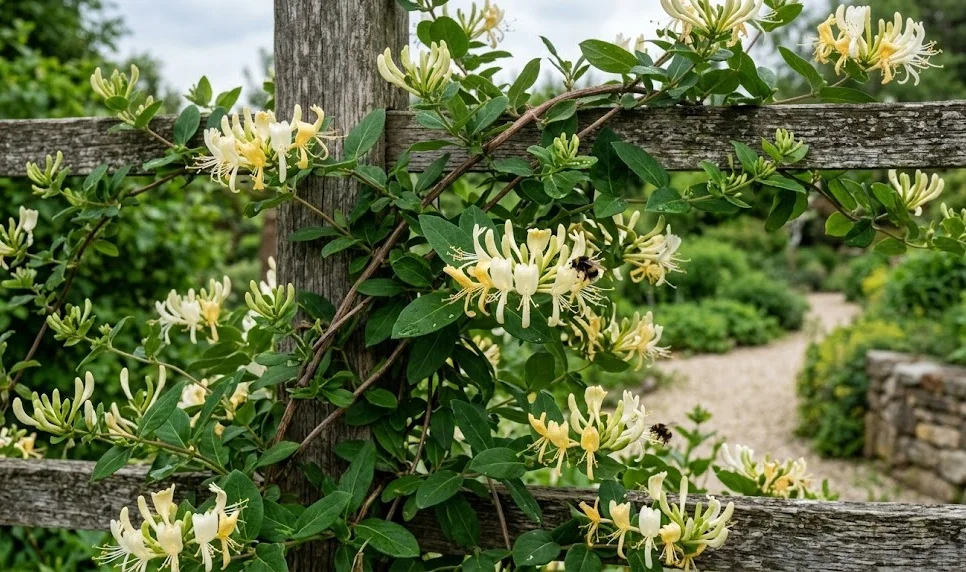

Successfully establishing a new vine begins with a careful evaluation of the planting site and the quality of the soil. This species is known for its vigorous growth, so choosing a spot with enough room for expansion is the first step toward long-term success. The initial weeks after planting are the most critical for ensuring that the root system takes hold properly. A professional approach to the planting process sets the foundation for a healthy and floriferous specimen.
Before digging the hole, it is vital to ensure that the chosen location receives the appropriate amount of sunlight and has adequate drainage. Soil that stays wet for too long will lead to root rot, which is often fatal for young plants. You should test the drainage by filling a hole with water and timing how long it takes to empty. If the water remains for several hours, you may need to amend the soil with sand or grit to improve its structure.
The timing of the planting is also a major factor in the success rate of the Italian woodbine. Early spring or late autumn are generally considered the best times to plant, as the temperatures are mild and the plant is not under heat stress. Planting during these dormant or semi-dormant periods allows the roots to settle in without having to support a massive amount of foliage. This reduces the risk of transplant shock and encourages more rapid growth once the growing season begins.
Preparing the soil in advance by incorporating organic matter will provide the young vine with a steady supply of nutrients. Compost or well-rotted manure improves the soil’s ability to hold moisture while also enhancing its overall fertility. You should work these amendments into the soil to a depth of at least thirty centimeters to ensure they are accessible to the roots. A well-prepared planting site is the best gift you can give a new addition to your garden.
Mastering the planting process
When you are ready to plant, dig a hole that is at least twice as wide as the root ball but no deeper. This allows the roots to spread out easily into the loosened soil, which encourages faster establishment. The depth is crucial because planting too deep can suffocate the stem, while planting too shallow can cause the roots to dry out. Aim to have the top of the root ball level with the surrounding soil surface.
More articles on this topic
Gently loosening the roots if they have become pot-bound will help them grow outward instead of continuing to circle the root ball. This is a common issue with nursery-grown plants and must be addressed to ensure the long-term stability of the vine. Use your fingers or a small tool to tease the roots apart without causing excessive damage to the delicate tips. Once the roots are spread out, you can begin to backfill the hole with the original soil.
As you fill the hole, press the soil down firmly but gently to remove any large air pockets that could cause the roots to dry out. Watering the plant thoroughly immediately after planting helps to settle the soil around the roots and provides much-needed hydration. Avoid adding fertilizer directly into the planting hole, as this can burn the sensitive new roots. Instead, wait until the plant shows signs of new growth before starting a feeding program.
Applying a layer of mulch around the base of the plant will help conserve moisture and suppress weeds during the establishment phase. Keep the mulch a few centimeters away from the main stem to prevent rot and allow for proper air circulation. This layer also helps to regulate soil temperature, protecting the young roots from extreme fluctuations. A well-mulched plant is much more likely to survive its first year in a new environment.
Propagation through softwood cuttings
Taking softwood cuttings is one of the most effective and popular ways to create new Italian woodbine plants. This process is best done in the late spring or early summer when the new growth is still flexible but has started to mature slightly. Select healthy, vigorous shoots that do not have any flowers or buds, as these will focus their energy on root production. Each cutting should be about ten to fifteen centimeters long and have several sets of leaves.
More articles on this topic
Remove the leaves from the bottom half of the cutting to expose the nodes where the new roots will eventually form. Dipping the cut end into a rooting hormone can increase the success rate, although it is not strictly necessary for this species. Place the cuttings into a pot filled with a well-draining seed starting mix or a combination of peat and perlite. Ensure that at least two nodes are buried beneath the surface of the soil.
Maintaining a high level of humidity around the cuttings is essential to prevent them from wilting before they can form roots. You can achieve this by covering the pot with a clear plastic bag or placing it in a specialized propagation chamber. Keep the cuttings in a bright location but away from direct sunlight, which could overheat them. Check the moisture level of the soil regularly and mist the foliage to keep the humidity high.
After a few weeks, you can check for root development by gently tugging on the cuttings to see if there is any resistance. Once a healthy root system has formed, the new plants can be moved into individual pots to continue growing. They should be kept in a protected environment for their first winter before being planted out in the garden. This method allows you to expand your collection of vines at very little cost.
Growing from seeds and hardwood cuttings
While growing from seeds takes longer, it can be a rewarding way to produce a large number of plants for a bigger project. The seeds should be collected from mature berries in the late summer or autumn and cleaned thoroughly to remove the pulp. They often require a period of cold stratification to break their dormancy and trigger germination. This involves keeping the seeds in a moist medium in the refrigerator for several months before sowing them in the spring.
Sow the seeds in a light, well-draining compost and cover them with a thin layer of grit or vermiculite. Keep the seed trays in a cool but frost-free environment and ensure the soil remains consistently moist but not wet. Germination can be slow and irregular, so patience is required when using this method. Once the seedlings are large enough to handle, they can be pricked out into individual pots to grow on.
Hardwood cuttings offer another alternative for propagation, usually performed during the dormant season in late autumn or winter. These cuttings are taken from mature, woody stems and are generally longer and thicker than softwood cuttings. They are often planted directly into a trench in a sheltered part of the garden where they can develop roots over the winter. This method requires less daily attention than softwood cuttings but usually has a lower success rate.
Regardless of the method used, the goal is to produce strong, healthy plants that are ready to face the challenges of the garden. Each propagation technique has its own set of advantages and can be chosen based on the time of year and the resources available. Professional gardeners often use a combination of these methods to ensure a steady supply of new plants. The ability to propagate your own vines is a valuable skill for any serious horticulturalist.