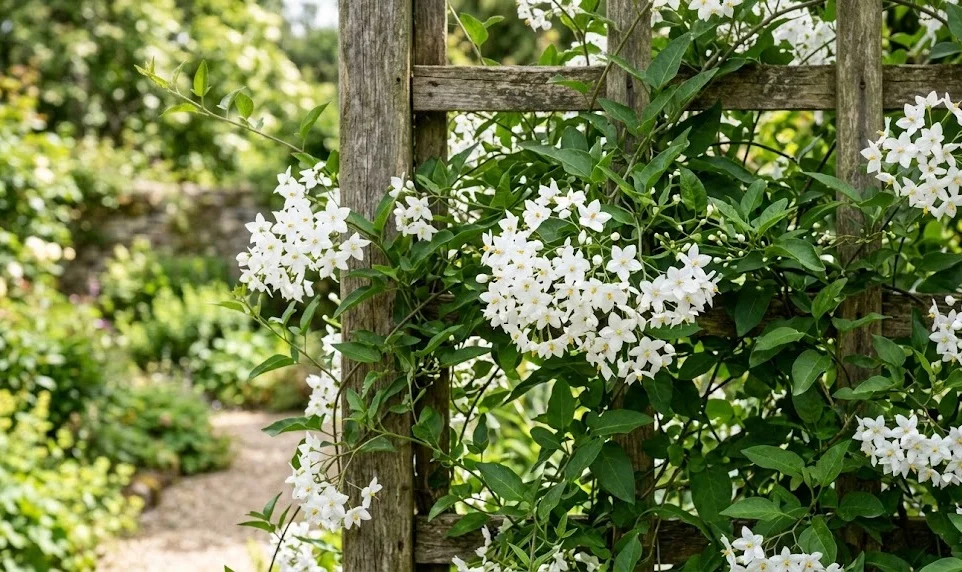

Proper hydration and nutrition are the two pillars that support the rapid growth and prolific flowering of the jasmine nightshade. Because this vine is such a vigorous grower, it consumes resources at a much higher rate than many other garden plants. You must develop a keen eye for the subtle signs of thirst and hunger to keep your specimen in peak condition throughout the year. In this professional guide, we will break down the science of feeding and watering this beautiful climber.
Water is the lifeblood of the plant, transporting nutrients from the soil up to the highest leaves and flowers. You will find that the jasmine nightshade is somewhat forgiving, but it truly thrives when moisture levels remain consistent. Fluctuating between bone-dry soil and waterlogged conditions can stress the plant and lead to leaf drop or poor blooming. Achieving a balance that mimics its natural habitat will yield the most impressive results in your private garden.
Fertilizing is about more than just growth; it is about providing the building blocks for the plant’s immune system and reproductive health. High-quality fertilizers provide the nitrogen for green leaves, phosphorus for strong roots and flowers, and potassium for overall vigor. You should think of feeding as a seasonal strategy rather than a one-time task that you do and forget. A professional approach involves adjusting the nutrient mix based on the plant’s current stage of development.
During the peak of the summer, your watering and feeding schedule will become the most intensive part of your garden routine. The combination of heat and rapid growth means the plant’s metabolism is running at full speed, requiring constant input. By the end of this article, you will have a clear plan for managing these essential tasks with the precision of an expert. Let us dive into the details of keeping your jasmine nightshade well-fed and perfectly hydrated.
Establishing a professional watering routine
The frequency of your watering should be dictated by the weather, the type of soil, and whether the plant is in a pot or the ground. You should always check the moisture level of the soil before reaching for the watering can to avoid over-saturation. During the height of summer, a container-grown plant might need a deep soak every single day to stay hydrated. Ground-planted vines are more resilient but still require deep watering during prolonged dry spells.
More articles on this topic
When you water, aim for the base of the plant rather than wetting the foliage, as this helps prevent fungal diseases. Applying the water slowly allows it to penetrate deep into the root zone where it is needed most. You should try to water in the early morning so the plant is fully hydrated before the heat of the day arrives. This timing also allows any accidental splashes on the leaves to dry quickly in the morning sun.
If you are using containers, ensuring that the water actually reaches the center of the root ball is a common challenge. Sometimes the soil can pull away from the sides of the pot, allowing water to run down the gap without soaking the roots. You can fix this by watering in small amounts several times or occasionally immersing the pot in a larger bucket of water. A professional gardener knows that “watering” and “saturating” are two very different things when it comes to plant health.
During the cooler months, you must scale back your watering significantly to match the plant’s slower growth rate. In the winter, the soil should be allowed to dry out much more between waterings to prevent root rot in the cold. It is a common mistake to keep watering at summer levels, which can quickly lead to the death of the plant during dormancy. Always adapt your routine to the current atmospheric conditions to maintain the perfect moisture balance.
Managing water quality and drainage
The quality of the water you use can have a long-term impact on the health of your jasmine nightshade and the soil chemistry. Rainwater is always the best option as it is naturally soft and free from the chemicals found in many municipal water systems. If you must use tap water, letting it sit in an open container for 24 hours can help dissipate some of the chlorine. Over time, heavy minerals in tap water can build up in the soil, potentially affecting nutrient uptake.
More articles on this topic
Drainage is just as important as the water itself, as standing water is the quickest way to kill a healthy vine. You must ensure that every container has adequate drainage holes and that they do not become blocked by debris or roots. For ground-planted specimens, you might need to improve the soil structure with organic matter to prevent “wet feet.” A plant sitting in soggy soil will soon show signs of yellowing and overall decline that are hard to reverse.
You can test your soil’s drainage by digging a small hole and filling it with water to see how quickly it disappears. If the water is still sitting there after an hour, you definitely need to add some grit or organic compost to improve the structure. Professional landscaping often involves creating slight mounds for planting to ensure that excess water naturally flows away from the main root system. This proactive drainage management is a secret to success for many expert growers.
Using saucers under pots can be a double-edged sword that requires careful management in your daily routine. While they prevent water from staining your patio, allowing a pot to sit in a saucer full of water for days is a recipe for disaster. You should always empty the saucer about thirty minutes after watering to ensure the roots are not submerged. This simple habit will save you a lot of trouble and keep the root system oxygenated and healthy.
Nutritional requirements and fertilizer types
Understanding the N-P-K ratio on fertilizer labels is the first step toward professional-grade plant nutrition. Nitrogen (N) is essential for the lush green growth of the vines and leaves that characterize this species. Phosphorus (P) is the key ingredient for a spectacular show of flowers and for building a strong, resilient root system. Potassium (K) acts as a general tonic, improving the plant’s ability to resist diseases and extreme weather conditions.
You have the choice between organic and synthetic fertilizers, each with its own set of advantages for the gardener. Organic options like compost tea or fish emulsion provide a gentle, slow-release source of nutrients while improving soil health. Synthetic fertilizers offer a more immediate and precise boost, which can be useful during the peak blooming period. A professional strategy often involves a combination of both to provide long-term stability and short-term performance.
Slow-release granules are a fantastic “set it and forget it” option for the beginning of the growing season in early spring. You can scratch these into the surface of the soil, and they will gradually feed the plant every time you water. This provides a steady baseline of nutrition that prevents the “hunger spikes” that can occur with liquid feeding alone. Always follow the manufacturer’s instructions to avoid the risk of chemical burns on the delicate roots.
Foliar feeding, where you spray a diluted nutrient solution directly onto the leaves, is an advanced technique for a quick boost. The plant can absorb minerals through its foliage much faster than through its roots in some specific situations. This is particularly helpful if the plant is showing signs of a specific deficiency that needs immediate correction. However, this should only be a supplement to your regular soil-based fertilization program.
Seasonal feeding strategies for maximum bloom
In the early spring, your primary goal is to jumpstart the vegetative growth of the vine after its winter rest. A fertilizer with a slightly higher nitrogen content will help the plant produce the many new stems it needs for its structure. As soon as you see the first signs of green buds, you can begin your regular feeding routine. This early investment in nutrition provides the energy needed for the rapid expansion that occurs in May and June.
Once the plant begins to form flower buds, you should switch to a fertilizer that is higher in phosphorus and potassium. This shift in chemistry encourages the plant to put its energy into blooming rather than just making more green leaves. You will find that regular feeding every two weeks during the summer maintains a much longer and more intense flowering period. Consistency in your feeding schedule is what creates those breathtaking walls of white flowers seen in expert gardens.
As the summer starts to wind down, you need to begin reducing the strength and frequency of your fertilization. You do not want to encourage a flush of soft, new growth that will not have time to harden before the cold weather. By late August or early September, you should stop feeding altogether to allow the plant to prepare for its dormant phase. This transition is a critical part of the plant’s natural cycle and should be respected by every professional gardener.
If you are growing your jasmine nightshade in a pot, remember that frequent watering washes nutrients out of the soil much faster. This means container plants generally need more frequent fertilization than those growing in the open ground. You can use a half-strength liquid fertilizer every week instead of a full dose every two weeks for a more consistent supply. This “little and often” approach is often the best way to manage nutrition in a confined environment.
Identifying and correcting nutrient issues
A professional gardener must be able to read the leaves to identify when the nutrient balance is off. If the older leaves turn yellow while the veins stay green, the plant might be suffering from a magnesium deficiency. General yellowing of the entire plant often points to a lack of nitrogen or an issue with the soil’s pH levels. Being able to spot these signs early allows you to make corrections before the plant’s overall health is compromised.
Brown, crispy edges on the leaves can sometimes indicate a potassium deficiency, but they are also a common sign of fertilizer burn. If you suspect you have over-fertilized, the best course of action is to flush the soil with large amounts of clean water. This helps to wash away the excess salts that are drawing moisture out of the roots and causing the burn. It is always better to under-feed slightly than to risk damaging the plant with too much chemistry.
Iron chlorosis is another common issue where the new leaves come out looking very pale or even white. This often happens if the soil is too alkaline, which prevents the plant from being able to absorb the iron that is already there. Adding a chelated iron supplement or slightly acidifying the soil can quickly fix this problem and restore the deep green color. Understanding these chemical interactions is what separates a true expert from a casual hobbyist.
Finally, keep a garden log of when you water and what fertilizers you use throughout the growing season. This data is invaluable for identifying patterns and figuring out what works best for your specific garden conditions. Over time, you will develop a “gut feeling” for what the plant needs, but the written records will keep you grounded in facts. Success in gardening is a combination of intuition, observation, and the professional application of scientific principles.