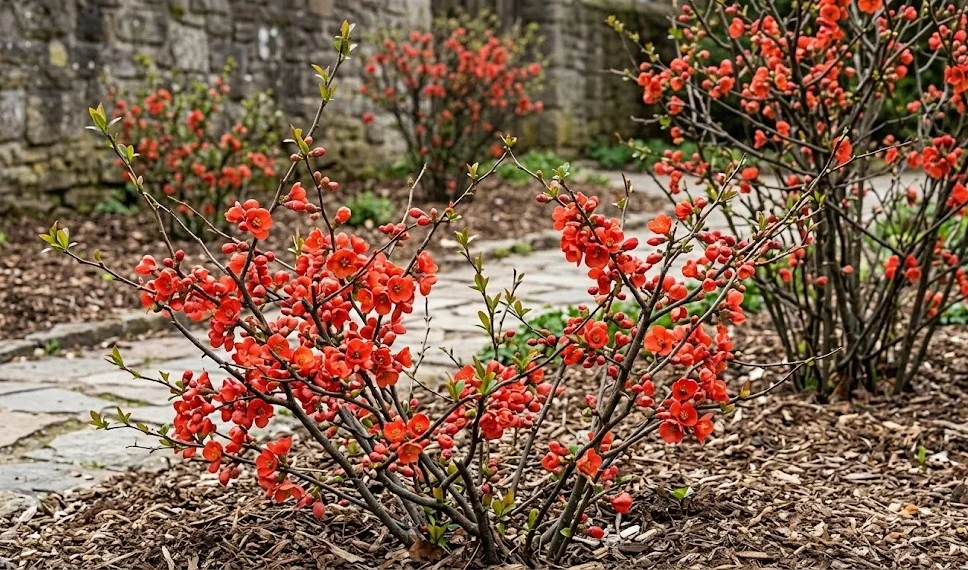

Fungal diseases are among the most frequent health challenges for Japanese quince, often triggered by damp conditions and poor air circulation. Leaf spot is a particularly common issue, appearing as small, dark circular lesions that can eventually cause the leaves to turn yellow and drop prematurely. While a minor infection might only affect the plant’s appearance, severe cases can weaken the shrub over several seasons by reducing its ability to photosynthesize. Professional gardeners prioritize preventive measures to keep these pathogens at bay throughout the high-risk spring and summer months.
The most effective way to combat fungal issues is to ensure that the interior of the shrub is not too dense, allowing wind to dry the leaves quickly after rain. You should also avoid overhead watering, which keeps the foliage wet for extended periods and creates a perfect environment for spores to germinate. If you notice infected leaves on the ground, it is important to rake them up and dispose of them far away from the garden. This simple sanitation practice prevents the fungus from overwintering and reinfecting the plant the following year.
In cases where fungal pressure is consistently high, you might consider using an organic fungicide as a preventive spray in the early spring. Sulfur-based products or copper fungicides can be effective if applied before the symptoms become widespread across the canopy. However, these should always be used as a last resort and in accordance with the specific needs of the plant and the surrounding ecosystem. Focusing on the overall vigor of the shrub through proper feeding and watering is often the best defense against any fungal attack.
Powdery mildew is another fungal concern that can occasionally affect the young shoots and leaves of the quince during humid weather. It looks like a thin layer of white flour or dust covering the plant surface, and it can cause the foliage to become distorted. While rarely fatal, it can significantly detract from the beauty of the shrub and slow down its growth rate. Improving the site conditions and ensuring the plant isn’t stressed by drought will often help the quince naturally resist this common garden nuisance.
Bacterial blights and their management
Fire blight is a serious bacterial disease that can affect many members of the rose family, including the Japanese quince. It is often identified by the sudden wilting and blackening of young shoots, which can look as if they have been scorched by fire. The bacteria typically enter the plant through the blossoms during the spring and can spread rapidly through the vascular system. If left unchecked, fire blight can cause significant dieback and even kill the entire shrub in a relatively short amount of time.
More articles on this topic
If you suspect your Japanese quince is infected with fire blight, you must act quickly to prune out the diseased portions of the plant. Make your cuts several inches below the visible damage into healthy wood to ensure you have removed all of the infected tissue. Between every single cut, you must sterilize your pruning tools with a solution of bleach or high-percentage rubbing alcohol to prevent spreading the bacteria. This meticulous approach is the only way to successfully manage a bacterial outbreak within a garden setting.
Prevention of fire blight involves avoiding excessive nitrogen fertilization, which encourages the soft, succulent growth that the bacteria find easiest to infect. You should also keep a close eye on the weather, as warm, rainy periods during the blooming phase are the prime times for infection. Some cultivars of Japanese quince are more resistant to fire blight than others, so choosing a hardy variety can save you a lot of trouble in the long run. Professional landscape design often takes these disease-resistance factors into account during the plant selection phase.
Regular monitoring during the spring is crucial for catching bacterial issues before they move from the branch tips into the main framework of the shrub. Early detection allows for more conservative pruning and a much better chance of saving the overall shape of the plant. If a shrub is severely infected throughout its entire structure, it may be safer to remove the plant entirely to protect other susceptible species in your garden. Understanding the gravity of bacterial diseases helps you maintain a healthy and productive outdoor environment for all your plants.
Common insect pests and infestations
Aphids are perhaps the most ubiquitous pest that you will encounter on your Japanese quince, especially on the tender new growth in the spring. These small, soft-bodied insects suck the sap from the leaves and stems, causing them to curl, turn yellow, and become stunted. They also excrete a sticky substance called honeydew, which can lead to the growth of unsightly sooty mold on the foliage. While a few aphids are usually not a problem, a large population can significantly drain the plant’s energy and reduce its flowering potential.
More articles on this topic
Controlling aphids can often be as simple as knocking them off the plant with a strong stream of water from a garden hose. Encouraging natural predators like ladybugs, lacewings, and hoverflies into your garden provides a long-term, ecological solution to pest management. You can attract these beneficial insects by planting a variety of flowering herbs and perennials nearby that provide them with nectar and habitat. For more persistent infestations, an application of insecticidal soap or neem oil can be effective without causing long-term harm to the environment.
Scale insects are another potential problem, appearing as small, stationary bumps on the bark that can be easily mistaken for natural growth. These pests also feed on the plant’s sap and can cause branch dieback if they are allowed to multiply undisturbed over several years. Because they are protected by a hard, waxy outer shell, they can be more difficult to control than aphids or other soft-bodied insects. Dormant oil sprays applied in the late winter or early spring are often the most effective way to manage scale by smothering them before they become active.
Spider mites can become a nuisance during the hot, dry months of summer, causing the leaves to look stippled or bronzed. You might also notice fine webbing between the stems if the infestation is particularly heavy and the conditions are right. Increasing the humidity around the plant and ensuring it is well-watered can help deter these pests, as they thrive in dusty and dry environments. Regularly inspecting the undersides of the leaves will help you spot these tiny invaders before they cause widespread damage to the shrub’s appearance.
Environmental stresses mimicking disease
Sometimes, the symptoms that look like a disease or pest attack are actually caused by environmental factors, a condition known as abiotic stress. Leaf scorch, for example, occurs when the plant loses water through its leaves faster than the roots can replace it during extreme heat or wind. This results in brown, crispy edges on the foliage that can look very similar to a fungal infection or chemical burn. Providing adequate water and temporary shade during heatwaves can prevent this type of physical damage from occurring in the first place.
Winter injury is another common issue that can manifest as branch dieback or cracked bark once the growing season begins. Rapid temperature fluctuations or extremely cold winds can dehydrate the wood and kill the sensitive cambium layer just beneath the bark. This damage might not become apparent until the spring when the affected branches fail to leaf out or suddenly wilt after a period of initial growth. Proper mulching and choosing a sheltered planting site are the best ways to protect your quince from the harsh realities of a cold winter.
Soil compaction and poor drainage can also lead to symptoms that mimic nutritional deficiencies or root diseases. When the roots cannot get enough oxygen, they begin to die back, leading to yellowing leaves, stunted growth, and a general lack of vigor. You should ensure that the soil around your shrub remains loose and well-aerated to support healthy root respiration. Avoiding heavy foot traffic in the root zone and regularly adding organic matter will help maintain a healthy underground environment for the plant.
Chemical injury from herbicide drift or the over-application of fertilizers can also cause distorted growth and leaf spotting. If you use weed killers in your lawn, be careful not to apply them on windy days when the mist can travel onto your garden shrubs. Similarly, always follow the recommended dosages for any fertilizers or soil amendments to avoid “burning” the sensitive root hairs. Taking a careful and methodical approach to all garden tasks ensures that you don’t accidentally cause harm while trying to help your plants thrive.
Integrated pest management strategies
Adopting an Integrated Pest Management (IPM) approach is the most professional and sustainable way to handle health issues in your Japanese quince. This strategy focuses on long-term prevention and uses a combination of biological, cultural, and physical controls before turning to chemical solutions. By maintaining a healthy plant through proper siting, watering, and pruning, you significantly reduce its susceptibility to most pests and diseases. A vigorous shrub has natural defenses that can withstand minor attacks without any intervention from the gardener.
Cultural controls involve practices like choosing disease-resistant varieties and ensuring proper spacing for air circulation at the time of planting. Regularly cleaning up fallen debris and pruning out any suspicious-looking wood helps to break the life cycles of many common garden pathogens. These simple, everyday tasks are the foundation of a successful garden health plan and require very little in the way of expensive equipment or chemicals. Being an observant and proactive gardener is your most powerful tool for keeping your landscape looking its best.
Biological control relies on the natural checks and balances of the ecosystem, such as predatory insects and beneficial soil microbes. You can support these allies by avoiding broad-spectrum pesticides that kill “good” bugs along with the “bad” ones. Creating a diverse garden environment with a variety of plant species provides the food and shelter that beneficial organisms need to thrive. When you work with nature rather than against it, you often find that pest populations stay at manageable levels without much effort on your part.
Physical controls might include hand-picking larger pests like beetles or using barriers like horticultural fleece to protect against specific threats. If a chemical intervention does become necessary, always choose the least toxic option first and target it specifically to the affected area. Applying treatments at the right stage of the pest’s life cycle ensures maximum effectiveness with minimal environmental impact. This balanced and thoughtful approach to plant health ensures that your Japanese quince remains a beautiful and productive part of your garden for decades.