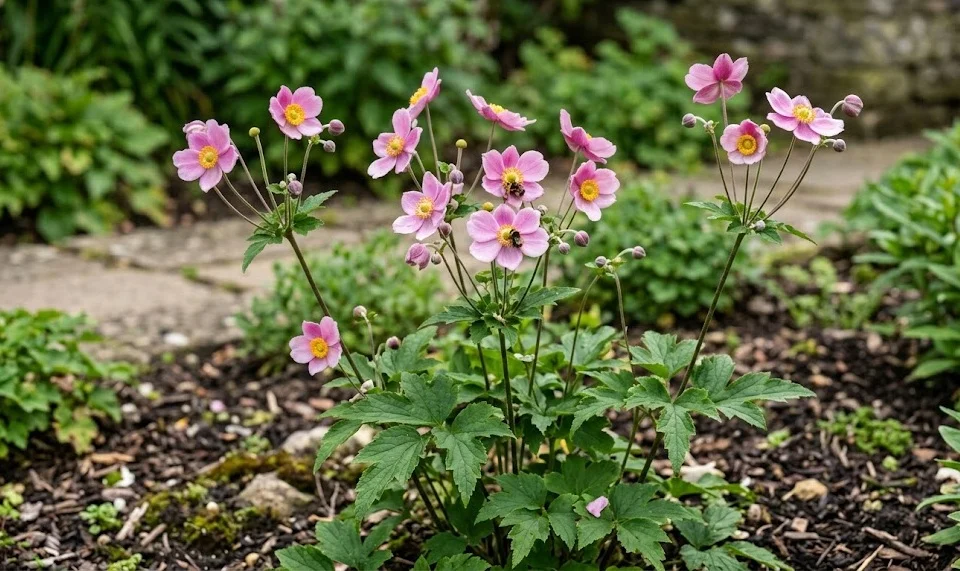

Mastering the hydration and nutritional needs of the Japanese anemone is essential for producing the lush foliage and abundant blooms that this species is famous for. While these perennials are relatively hardy, they have a specific physiological requirement for consistent moisture that cannot be overlooked without consequences. In their native habitats, they often grow in woodland edges where the soil remains damp and rich in decaying organic matter. Replicating these conditions in a garden setting requires a disciplined approach to both irrigation and supplemental feeding throughout the growing season.
The first step in a professional watering routine is understanding that these plants do not handle drought stress well, especially during their first few years. When the soil dries out completely, the leaves will quickly wilt and may develop permanent brown edges that detract from the plant’s beauty. However, it is equally important to avoid overwatering to the point where the soil becomes saturated and devoid of oxygen. Striking the right balance involves regular monitoring of the soil’s moisture level at a depth of about two inches below the surface.
Watering should always be done at the base of the plant to keep the foliage as dry as possible and reduce the risk of fungal infections. Early morning is the most effective time for irrigation, as it allows any accidental splashes on the leaves to evaporate quickly in the sun. If you must water in the evening, be extra careful to avoid the leaves, as damp foliage overnight is an invitation for mildew and rot. A slow, steady application of water allows it to penetrate deep into the root zone where it is most needed by the plant.
As the summer temperatures rise, the rate of evaporation increases, meaning you will likely need to adjust your watering frequency accordingly. During extreme heatwaves, even established plants may require a deep soak every couple of days to keep their tissues hydrated. Using a thick layer of mulch around the base of the plants is a professional secret for retaining soil moisture and reducing the overall need for manual watering. This layer acts as a barrier, keeping the root zone cool and preventing the sun from baking the earth dry.
Strategic irrigation for different growth stages
The watering needs of the Japanese anemone change significantly as it moves through its annual lifecycle from spring emergence to autumn dormancy. In the early spring, when the new shoots are just breaking through the soil, the demand for water is relatively low but should be consistent. As the foliage expands and the weather warms up, the plant’s transpirational pull increases, requiring more frequent and deeper irrigation. This is the period when the plant builds the structural foundation that will later support the heavy flower stalks.
More articles on this topic
When the flower buds begin to form in mid-summer, the plant enters its most critical phase for moisture management. Any significant water stress during the budding stage can lead to “bud blast,” where the flower initials dry up and fall off before they can open. Providing a stable and generous supply of water during this time ensures that the plant has the hydraulic pressure needed to expand its blossoms fully. Professional growers often increase their irrigation slightly during this window to guarantee a spectacular late-season display.
During the actual flowering period, the plant continues to need plenty of water to maintain the freshness of the blooms and prevent premature fading. However, once the flowers have finished and the plant begins to wind down for the season, you can slowly reduce the frequency of watering. As the nights get cooler and the days get shorter, the plant’s metabolic rate slows down, and it no longer requires the same volume of hydration. This gradual reduction helps prepare the plant for the natural dormancy of the winter months.
It is also important to consider the impact of rainfall on your watering schedule, as natural precipitation can often do much of the work for you. After a heavy rain, check the soil to see how deeply the moisture has penetrated, as light showers often don’t reach the root zone of large clumps. If the soil remains dry an inch down despite a rainstorm, you should still provide a supplemental watering to ensure the plant isn’t left thirsty. Being adaptable and responsive to the actual conditions in your garden is the hallmark of an expert horticulturist.
Nutritional requirements and fertilization basics
Feeding your Japanese anemones is a vital part of their care, but it must be done with an understanding of what the plant actually needs to thrive. These perennials are moderate feeders that benefit from a steady supply of nutrients rather than a single heavy dose of concentrated chemicals. Their primary needs include nitrogen for foliage growth, phosphorus for root and flower development, and potassium for overall plant health and disease resistance. A well-balanced diet ensures that the plant remains vigorous and capable of producing a high-quality floral display every year.
More articles on this topic
The best time to start your fertilization program is in the early spring, just as the new growth begins to appear. Applying a balanced, slow-release granular fertilizer around the base of the plant provides a foundation of nutrients that will last for several weeks. Be sure to follow the manufacturer’s instructions regarding the amount, as over-fertilizing can lead to excessive leaf growth at the expense of flowers. Lightly scratching the granules into the top layer of soil and watering them in helps the nutrients reach the roots more effectively.
For an extra boost during the growing season, some gardeners choose to use a liquid fertilizer every few weeks from late spring through mid-summer. A formula with a slightly higher phosphorus content can be particularly beneficial as the plant approaches its blooming phase. This quick-acting nutrition helps the plant overcome any temporary deficiencies and supports the intense energy demands of flowering. Always apply liquid fertilizers to moist soil to avoid burning the delicate root hairs with concentrated salts.
Stop all supplemental feeding by late summer, as the plant needs to begin preparing for the winter and should not be encouraged to produce soft, new growth. If the plant is forced into active growth too late in the season, it will be much more vulnerable to damage from early frosts. The goal of a professional fertilization strategy is to work with the plant’s natural rhythm rather than trying to force it into unnatural patterns. A healthy plant that has been properly fed throughout the spring and summer will have plenty of stored energy for a successful overwintering.
The role of organic matter in soil fertility
Beyond the use of commercial fertilizers, the long-term health of your anemones depends heavily on the organic content of the soil. Incorporating well-rotted compost, leaf mold, or aged manure into the garden bed annually provides a wealth of benefits that chemicals cannot match. Organic matter improves the soil’s ability to hold both water and nutrients, creating a buffer against environmental fluctuations. It also supports a diverse community of soil microbes that help break down minerals and make them more accessible to the plant roots.
A professional approach often involves applying a “top-dressing” of compost in the early spring, right after the winter mulch has been cleared away. This layer of organic material acts as a slow-release fertilizer, gradually nourishing the plant as it breaks down throughout the season. It also helps to maintain the slightly acidic to neutral pH that Japanese anemones prefer for optimal nutrient uptake. Over time, this consistent addition of organic matter will transform even poor soil into a rich, dark loam that is perfect for perennials.
Using organic fertilizers, such as bone meal or fish emulsion, can also be a great way to provide specific nutrients in a more environmentally friendly manner. These products often release their contents more slowly than synthetic alternatives, providing a more stable and natural growth rate. Many gardeners find that plants grown with organic methods are generally hardier and less prone to sudden pest outbreaks. Building soil health is a long-term project, but it pays off in the form of more resilient and beautiful plants.
If you have access to high-quality mulch materials like shredded leaves or wood chips, these also contribute to soil fertility as they decompose. As the bottom layer of the mulch breaks down, it turns into humus, which is the gold standard for soil structure and fertility. This natural cycle of decay and rebirth mimics the conditions found on a forest floor, where Japanese anemones originally evolved. By fostering this natural process, you create a self-sustaining system that requires less intervention and produces better results.
Troubleshooting common watering and feeding issues
Despite your best efforts, you may occasionally encounter problems related to how the plant is receiving its water and nutrients. One of the most common signs of a problem is leaf chlorosis, where the leaves turn yellow while the veins remain green. This often indicates a lack of available iron or magnesium, which can be caused by soil that is too alkaline or by overwatering that has damaged the roots. A quick soil test and an application of chelated iron can often resolve this issue and restore the plant’s vibrant green color.
If you notice that your anemones are producing massive amounts of dark green leaves but very few flowers, you may be over-applying nitrogen. Nitrogen is excellent for foliage, but in excess, it can signal the plant to ignore its reproductive cycle in favor of more leaves. To fix this, reduce the amount of nitrogen in your fertilizer mix and consider adding a bit more phosphorus to encourage bloom development. Balancing your inputs is key to achieving the aesthetic goals you have for your garden display.
Poor drainage is another significant threat that can manifest as wilting leaves, even when the soil feels wet to the touch. This happens because the roots have begun to rot and can no longer transport water to the rest of the plant, essentially causing the plant to die of thirst in the middle of a puddle. If you suspect root rot, you must act quickly to improve the drainage of the site or relocate the plant to a higher spot. Once the roots are severely damaged, it can be very difficult to save the specimen, making prevention the best strategy.
Finally, be aware of the “salt buildup” that can occur if you use synthetic fertilizers exclusively and do not water deeply enough to flush the soil. These salts can accumulate over time and begin to dehydrate the roots, leading to scorched leaf tips and stunted growth. Alternating between synthetic and organic feeding methods and ensuring occasional deep soakings can help prevent this problem. By staying observant and responding to these early warning signs, you can maintain a perfect balance of water and nutrients for your Japanese anemones.