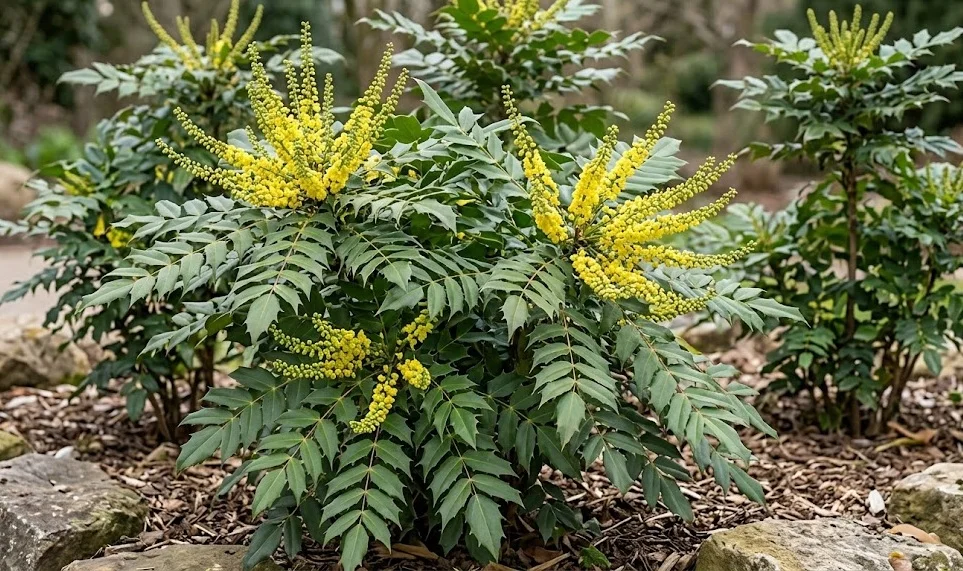

The Japanese mahonia is generally considered a robust and resilient shrub, but like any garden plant, it can be susceptible to certain diseases and pests. Maintaining the health of your evergreen requires a proactive approach that focuses on prevention and early identification of potential problems. You should regularly inspect the foliage, stems, and the area around the base for any unusual spots, discolorations, or signs of insect activity. Understanding the common threats to this species will help you take the necessary steps to protect your investment and keep the plant looking its best.
Fungal diseases are among the most frequent issues encountered by mahonia growers, often thriving in damp and stagnant conditions. You should ensure that your plants have adequate air circulation and are not overcrowded by neighboring vegetation. Avoid watering the foliage directly, as moisture sitting on the leaves can create the perfect environment for spores to germinate and spread. If you do notice signs of infection, taking quick action can prevent the disease from compromising the overall vigor of the shrub.
Pests can also target the Japanese mahonia, though they are usually less of a problem than diseases if the plant is otherwise healthy. You should be on the lookout for common garden insects like aphids or scale, which can suck the sap from the leaves and weaken the plant over time. Encouraging natural predators like ladybugs and birds can provide a sustainable way to manage these populations without relying on harsh chemicals. A balanced garden ecosystem is your first and most effective line of defense against pest outbreaks.
Good cultural practices are the foundation of any pest and disease management strategy for your garden. By providing the right soil, light, and moisture, you create a plant that is naturally more resistant to the challenges it may face. You should also practice good garden hygiene by removing fallen leaves and debris that could harbor pathogens or overwintering insects. With a little vigilance and the right knowledge, you can keep your Japanese mahonia healthy and vibrant for many years to come.
Common fungal diseases affecting the foliage
One of the most recognizable fungal issues for this species is mahonia rust, which appears as small orange or yellow spots on the undersides of the leaves. Over time, these spots can turn into dark pustules and cause the affected foliage to turn yellow and drop prematurely. You should remove and destroy any infected leaves as soon as you see them to limit the spread of the spores. Improving the airflow around the plant and avoiding overhead watering are key steps in managing this particular fungus.
More articles on this topic
Powdery mildew can also be a problem, especially during periods of high humidity and warm temperatures. This disease manifests as a white, flour-like coating on the surface of the leaves and can distort the new growth of the shrub. While it is rarely fatal, a severe infection can significantly reduce the aesthetic appeal of the evergreen foliage. You can help prevent powdery mildew by keeping the soil moist and ensuring that the plant is not under drought stress.
Leaf spot diseases, caused by various fungal pathogens, result in dark, irregular blotches on the leathery leaves of the mahonia. These spots often have a distinct border and can eventually merge, causing large sections of the leaf to die and turn brown. You should prune out any heavily infected branches and dispose of the cuttings away from the garden to prevent re-infection. Applying a copper-based fungicide in the early spring can provide a protective barrier against many of these common leaf-spotting fungi.
Root rot is perhaps the most serious fungal threat, as it attacks the plant below the ground where it is difficult to see. This condition is almost always caused by poor drainage and excessively wet soil, which allows soil-borne pathogens to thrive and destroy the root system. You might notice the plant suddenly wilting or the leaves turning a dull yellow despite having plenty of moisture. Preventing root rot is much easier than treating it, so always prioritize well-draining soil and careful watering practices.
Identifying and managing common insect pests
Aphids are small, soft-bodied insects that often congregate on the tender new growth and the undersides of the mahonia leaves. They feed by sucking the sap from the plant, which can cause the foliage to curl and become stunted or distorted. You may also notice a sticky substance called honeydew on the leaves, which can lead to the growth of unsightly sooty mold. A strong blast of water from a garden hose is often enough to dislodge these pests and keep their numbers under control.
More articles on this topic
Scale insects are another common pest that can be found attached to the stems and leaves of the Japanese mahonia. These small, immobile pests look like tiny bumps or scales and can be difficult to spot until their population has become quite large. Like aphids, they feed on the plant’s sap and can cause yellowing and a general decline in the shrub’s health. You can manage minor infestations by gently scraping them off with a fingernail or using a horticultural oil spray during the dormant season.
Whiteflies can sometimes be a problem, particularly in sheltered garden spots with limited air movement. These tiny, moth-like insects fly up in a cloud when the foliage is disturbed and can cause similar damage to aphids and scale. They are most active during the warmer months and can reproduce quickly if environmental conditions are favorable. Improving the circulation around the plant and using yellow sticky traps can help you monitor and manage whitefly populations effectively.
Caterpillars and other leaf-eating insects may occasionally feed on the mahonia, leaving holes or ragged edges on the foliage. While a small amount of feeding damage is usually not a threat to the plant’s health, a large outbreak can be visually distracting. You should manually remove any caterpillars you find and encourage birds to visit your garden to help with pest control. Using targeted, organic treatments like Bt (Bacillus thuringiensis) can also be effective if the infestation becomes unmanageable.
Environmental stressors and physiological disorders
Not all problems with your Japanese mahonia are caused by living organisms; some are the result of environmental conditions. Leaf scorch is a common issue where the edges of the leaves turn brown and brittle due to excessive sun or wind exposure. This is particularly common in the winter when the frozen ground prevents the plant from replacing the moisture lost through its leaves. Providing a sheltered location and maintaining adequate soil moisture can help minimize the risk of this physiological disorder.
Nutrient deficiencies can cause various discolorations that might be mistaken for disease by the untrained eye. For example, iron chlorosis causes the tissue between the leaf veins to turn yellow while the veins themselves remain green. This is often a sign that the soil pH is too high for the mahonia to absorb the minerals it needs to stay healthy. Conducting a soil test can help you identify the root cause of the problem and allow you to apply the correct amendments.
Winter burn occurs when the evergreen leaves are exposed to bright sun and drying winds while the roots are unable to take up water. The leaves may turn a dark, bronze color or become completely desiccated and fall off the plant in the spring. You can protect your mahonia from winter burn by applying a thick layer of mulch and using burlap screens in very exposed locations. Most plants will recover from minor winter damage once the new growth emerges in the following season.
Physical damage from gardening tools, falling branches, or heavy snow can create entry points for pathogens and pests. You should always use sharp, clean tools when pruning and make sure your cuts are clean and well-placed. If a branch is broken by snow or ice, prune it back to a healthy bud or lateral stem as soon as possible to prevent further issues. Being mindful of the plant’s physical environment will help you avoid many of the most common non-biological problems.
Preventive measures and organic garden hygiene
The best way to manage diseases and pests is to prevent them from becoming established in your garden in the first place. You should always inspect any new plants thoroughly before bringing them home to ensure they are free of visible issues. Quarantining new arrivals for a few weeks can also help you spot hidden problems before they have a chance to spread to your existing collection. Starting with healthy, vigorous nursery stock gives your garden the best possible chance of success.
Regularly cleaning up fallen leaves and other organic debris around the base of the mahonia is an essential part of garden maintenance. Many fungal spores and insect eggs overwinter in this litter, waiting for the right conditions to emerge and re-infect your plants. You should dispose of any diseased material in the trash rather than adding it to your compost pile where pathogens might survive. Keeping the area around the shrub tidy reduces the number of hiding places for potential threats.
Pruning for health involves removing any dead, damaged, or crossing branches that could compromise the structure or air circulation of the shrub. By opening up the center of the plant, you allow more light and air to reach the inner leaves, making them less hospitable to fungi. You should always sterilize your pruning shears with rubbing alcohol between plants to prevent the accidental spread of disease. A well-maintained plant is naturally more resilient and requires less intervention over time.
Encouraging a diverse and healthy ecosystem in your garden provides natural checks and balances that help manage pest populations. You can do this by planting a variety of species that attract beneficial insects like hoverflies, lacewings, and predatory wasps. Avoiding the use of broad-spectrum chemical pesticides protects these natural allies and promotes a more sustainable garden environment. The Japanese mahonia is part of a larger system, and its health is intimately tied to the health of the entire garden.
Implementing targeted and sustainable treatments
If a disease or pest problem does become serious enough to require treatment, you should always start with the least toxic options available. Many common issues can be managed with simple solutions like insecticidal soaps, neem oil, or horticultural oils that have minimal impact on the environment. These products work by physical means or by disrupting the life cycle of the pests rather than through persistent chemical toxicity. Always read and follow the label instructions carefully to ensure the safety of yourself and your garden.
Fungal treatments are most effective when applied at the first sign of infection or as a preventive measure during periods of high risk. Copper fungicides and sulfur sprays are traditional organic options that can help manage rust and various leaf spot diseases. You should apply these products thoroughly to both the upper and lower surfaces of the leaves for the best results. Remember that these treatments are generally protective rather than curative, so timing is everything.
In cases where a plant is severely and chronically affected by a specific disease or pest, you may need to reconsider its placement in the garden. Sometimes moving a shrub to a location with better drainage or more light can solve the underlying problem and allow the plant to recover. If a plant continues to struggle despite your best efforts, it may be better to remove it entirely to protect the rest of your collection. Making these difficult decisions is part of being a responsible and effective gardener.
Continue to educate yourself about the specific challenges faced by Japanese mahonia in your local region by talking to other gardeners and experts. Local knowledge can be invaluable for identifying emerging threats and learning about the most effective regional management strategies. By staying informed and observant, you can provide the best possible care for your plants and enjoy their beauty for years to come. Your dedication to the health of your mahonia will be reflected in its vibrant growth and stunning winter display.