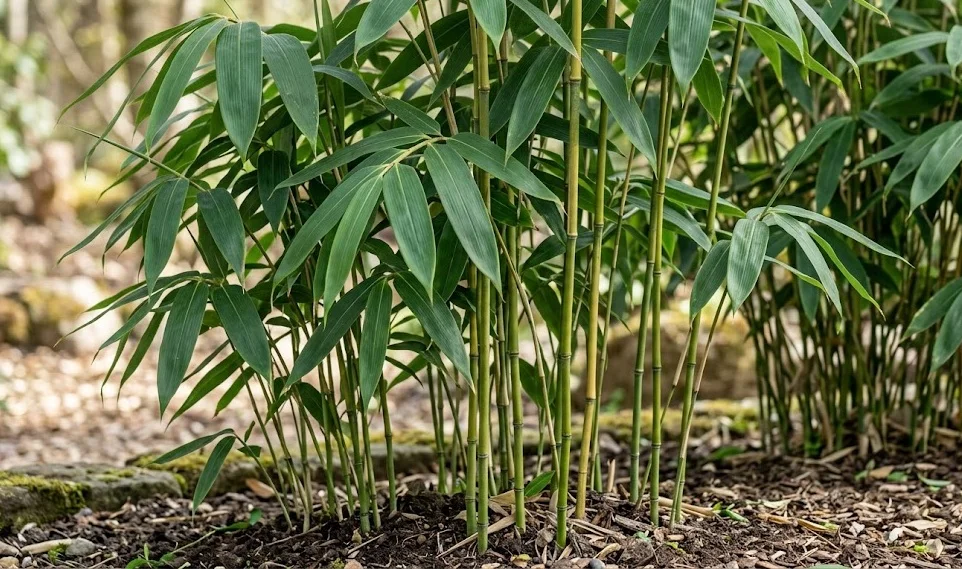

The vigor and aesthetic quality of Japanese arrow bamboo are directly linked to a precise regimen of hydration and nutrient supplementation. As a species characterized by high biomass and rapid growth, it demands a consistent supply of resources to maintain its dense foliage and sturdy culms. Professional management involves understanding the physiological cycles of the plant to time the application of water and fertilizer for maximum efficacy. A balanced approach ensures that the bamboo thrives without the risks of over-saturation or nutrient toxicity, which can compromise the health of the entire grove.
Fundamental water requirements
Water is the most critical factor for the survival of Japanese arrow bamboo, acting as the primary medium for nutrient transport and structural turgidity. Because of its large leaf surface area, the plant loses significant amounts of moisture through transpiration, especially during the peak of summer. A professional watering strategy focuses on keeping the soil consistently moist but never truly saturated for extended periods. Ideally, the moisture should penetrate at least thirty centimeters deep to reach the core of the rhizome and root network.
The frequency of irrigation depends heavily on the soil type, local climate, and the age of the planting. Sandy soils lose moisture quickly and may require daily watering during heatwaves, while heavier clay soils retain water longer but risk becoming anaerobic. Observation is key; if the leaves begin to roll or curl along their length, the plant is signaling a state of acute water stress. In most temperate climates, a deep watering two to three times a week is sufficient for established plants, provided the mulch layer is intact.
Seasonal adjustments to the watering schedule are necessary to align with the plant’s metabolic activity. In the spring, as new shoots emerge, water demand spikes as the plant expands its cellular structure at an incredible rate. During the dormant winter months, the plant still needs moisture, though at a much lower volume, to prevent the evergreen leaves from desiccating. It is a common mistake to stop watering entirely in the winter, which can lead to significant foliage damage in dry, windy conditions.
Automated irrigation systems, such as drip lines or soaker hoses, are highly recommended for large bamboo stands to ensure even distribution. These systems deliver water directly to the soil surface, minimizing evaporation and keeping the foliage dry, which helps prevent fungal diseases. Placing the emitters near the base of the culms and throughout the anticipated spread of the rhizomes ensures that the entire root zone is serviced. Regular maintenance of the irrigation system is required to clear clogs and ensure that no part of the grove is being neglected.
More articles on this topic
Hydration management in varying conditions
The environmental context of the bamboo greatly influences how hydration must be managed to prevent stress or disease. In shaded locations, evaporation is slower, meaning the plant may require less frequent watering compared to those in full sun. Conversely, bamboo planted in windy corridors will dry out much faster, necessitating a more aggressive hydration plan to compensate for the wind-driven moisture loss. A professional gardener always considers the microclimate of each specific planting site before setting a rigid watering schedule.
Container-grown specimens present a unique challenge, as the limited soil volume dries out significantly faster than ground-level plantings. During the height of summer, potted bamboo may need watering twice a day to prevent the root ball from shrinking away from the sides of the container. It is vital that containers have excellent drainage holes to allow excess water to escape, preventing the roots from sitting in stagnant water. Using a moisture-retentive potting mix can help bridge the gaps between waterings and provide a more stable environment for the roots.
During periods of prolonged drought, Japanese arrow bamboo may enter a semi-dormant state as a survival mechanism if water is not provided. While the plant is relatively resilient, repeated drought stress will lead to smaller culms and thinner foliage in subsequent years. Deep, infrequent soaking is always preferable to light, frequent sprinkling, as it encourages the roots to grow deeper into the soil profile. Deep roots make the plant more self-sufficient and better able to handle future environmental fluctuations without constant intervention.
Water quality is also a consideration, particularly in areas with highly alkaline or mineral-rich tap water. Over time, salts can build up in the soil, leading to leaf tip burn and a general decline in plant health. Periodically flushing the soil with large volumes of fresh water can help leach these accumulated minerals out of the root zone. If using harvested rainwater, ensure it is stored properly to avoid the introduction of pathogens or pollutants that could harm the delicate feeder roots.
More articles on this topic
Nutrient selection and soil chemistry
To sustain its rapid growth and lush canopy, Japanese arrow bamboo requires a nutrient profile that is high in nitrogen but balanced with essential minerals. Nitrogen is the primary driver of foliage color and culm height, making it the most important component of any fertilization program. However, a professional approach also includes phosphorus for root development and potassium for overall cellular strength and disease resistance. Using a specialized bamboo fertilizer or a high-quality lawn fertilizer (without herbicides) often provides the correct ratio for these plants.
Organic fertilizers, such as well-rotted manure, compost, or fish emulsion, are excellent for long-term soil health and provide a slow-release source of nutrients. These materials improve the soil structure and support a healthy community of beneficial microbes that assist in nutrient cycling. Applying a layer of compost each spring not only feeds the plant but also acts as a supplemental mulch that conserves moisture. For a more immediate boost, granular synthetic fertilizers can be used, but they must be applied carefully to avoid burning the shallow rhizomes.
Micronutrients like silica, iron, and magnesium also play a vital role in the physiological health of the bamboo. Silica, in particular, is essential for the structural integrity of the culms and leaves, helping the plant stand upright and resist pests. Many bamboo-specific fertilizers include extra silica to mimic the high levels found in the plant’s native volcanic soils. If the leaves show signs of interveinal yellowing (chlorosis), it may indicate an iron or magnesium deficiency that requires a targeted chelated mineral application.
Soil pH significantly affects the availability of these nutrients to the plant’s root system. If the soil is too alkaline, the bamboo may struggle to take up iron, leading to pale, sickly growth regardless of how much fertilizer is applied. Regularly testing the soil pH and making adjustments with sulfur or lime ensures that the fertilization program is actually effective. A professional gardener understands that feeding the soil is just as important as feeding the plant itself, creating a self-sustaining ecosystem over time.
Fertilization schedule and application
The timing of fertilizer application is crucial to ensure that the nutrients are available when the plant needs them most. The primary feeding should occur in the early spring, just as the soil begins to warm and the first signs of new shoot activity appear. This provides the chemical energy required for the “shooting” phase, where the plant can grow several centimeters in a single day. A second, lighter application in mid-summer helps the plant maintain its vigor and prepare the new culms for the winter ahead.
When applying granular fertilizers, it is important to spread them evenly across the entire root zone, extending slightly beyond the current drip line of the foliage. The granules should be lightly scratched into the surface of the soil or mulch and then watered in thoroughly to activate the nutrients. Avoid concentrating fertilizer directly against the base of the culms, as this can cause localized chemical burns to the sensitive tissues. Consistent, even distribution ensures that all parts of the rhizome network receive an equal share of the resources.
Late-season fertilization, particularly with high-nitrogen products, should be avoided as the plant enters its dormant phase in the fall. Encouraging new, soft growth late in the year makes the bamboo much more susceptible to frost damage, as the tissues will not have time to “harden off” before the first freeze. Instead, the focus in the autumn should be on soil conditioning and ensuring that the plant has adequate potassium to strengthen its cell walls. This strategic pause in feeding allows the plant to naturally transition into its winter rest.
For bamboo grown in containers, the fertilization schedule must be more frequent but at a lower concentration. Because nutrients are leached out of the pot every time the plant is watered, a monthly application of a liquid seaweed or balanced fertilizer is often necessary. Slow-release fertilizer spikes or granules can also be used to provide a steady drip of nutrients over several months. Always follow the manufacturer’s instructions regarding dosage, as over-fertilization in a confined space can quickly lead to toxic salt accumulation.
Recognizing and correcting deficiency signs
A professional gardener must be able to read the visual cues provided by the bamboo to identify and correct nutrient imbalances. Nitrogen deficiency is the most common issue, characterized by a general yellowing of the entire leaf and a noticeable slowdown in growth. If the plant appears stunted and the new shoots are significantly smaller than the previous year’s, it is a clear call for a nitrogen-rich supplement. Correcting this usually results in a rapid greening of the foliage and a return to vigorous growth.
Phosphorus deficiency is often harder to spot but may manifest as a purplish tint on the leaves or poor root development in young plants. Potassium deficiency, on the other hand, often shows up as browning or “scorching” along the leaf margins, even when the plant is well-watered. These symptoms are sometimes confused with environmental stress, so a soil test is the best way to confirm a chemical deficiency. Addressing these issues with a balanced NPK fertilizer will restore the internal balance of the plant.
Over-fertilization can be just as damaging as a lack of nutrients, often resulting in “luxury consumption” where the plant grows too fast for its own structural support. Culms may become weak and prone to snapping, and the plant may become more attractive to sap-sucking insects like aphids. In extreme cases, high concentrations of fertilizer salts can dehydrate the roots, leading to leaf drop and dieback. If over-fertilization is suspected, heavily leaching the soil with plain water is the best course of remedial action.
Maintaining a long-term journal of watering and fertilization habits helps in identifying patterns and fine-tuning the care routine. Different years may bring varying weather conditions that require adjustments to the standard protocol. By remaining observant and responsive to the plant’s needs, the gardener ensures that the Japanese arrow bamboo remains a vibrant, healthy, and structural asset to the garden. A well-fed and well-hydrated bamboo is not only more beautiful but also significantly more resistant to the pressures of pests and diseases.