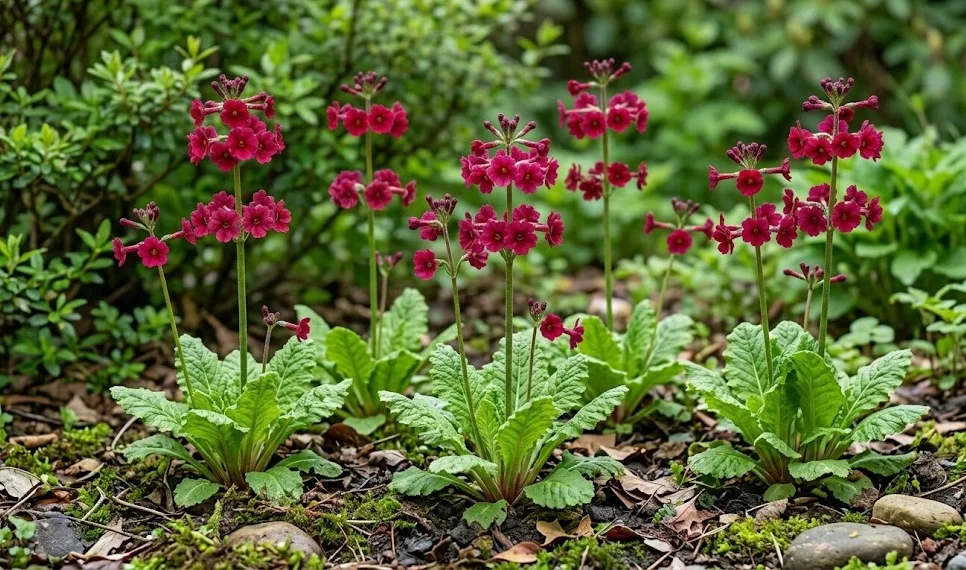

Understanding the nutritional and hydration needs of your plants is the most important part of maintaining their long-term health and beauty. These specific perennials have a reputation for being demanding, but their requirements are actually quite simple if you understand their biology. They are essentially bog plants that have adapted to live in nutrient-rich, water-saturated environments. By mastering the art of watering and feeding, you can ensure that your garden remains a lush and colorful sanctuary.
Establishing a watering routine
Consistency is the most important factor when it comes to watering these moisture-loving species in a domestic garden. You should never wait for the soil to dry out before you reach for the hose, as even a few hours of drought can be stressful. The ideal situation is to keep the ground permanently damp, almost like a well-wrung sponge that never loses its moisture. During the heat of the summer, this may mean watering your garden beds every morning or evening.
The way you apply water is just as important as how much you give, so you should focus on the root zone. You should avoid overhead watering whenever possible, as getting the foliage wet can encourage the growth of mold and mildew. Using a soaker hose or a watering can with a long spout allows you to deliver hydration directly to the soil. This method is much more efficient and ensures that the plant gets the maximum benefit from every drop.
Natural rainfall is a great supplement, but you should never rely on it entirely, especially during long dry spells. Even a heavy rainstorm might not penetrate deeply enough into the soil if you have a thick canopy of trees overhead. You should always check the moisture levels manually by sticking a finger into the soil near the base of the plants. If the first inch of soil feels dry, it is time to provide more water regardless of what the weather report says.
During the dormant winter months, you can reduce your watering frequency, but you should not stop entirely if the ground isn’t frozen. While the plant isn’t actively growing, the roots still need a bit of moisture to stay alive and healthy. If you live in an area with very dry winters, a light watering once a month can prevent the crowns from desiccation. Just be careful not to create standing water that could freeze and damage the delicate tissues of the plant.
More articles on this topic
Assessing water quality
The quality of the water you use can have a surprising impact on the health and appearance of your primroses over time. In many areas, tap water is treated with chemicals like chlorine or has a high mineral content that can alter the soil pH. If possible, you should collect rainwater in barrels to use for your most sensitive garden residents. Rainwater is naturally soft and free of the additives found in municipal water supplies, making it the perfect choice.
If you must use tap water, letting it sit in an open container for twenty-four hours can help some of the chlorine dissipate. This small step can make the water much gentler on the delicate root systems of your moisture-loving perennials. You should also be aware of the “hardness” of your water, as very hard water can lead to a buildup of lime in the soil. Over time, this buildup can make it harder for the plant to absorb essential nutrients from the earth.
Temperature is another factor to consider when you are providing supplemental hydration during the growing season. Using ice-cold water from a deep well or a refrigerated line can shock the roots if the air temperature is very high. You should try to use water that is close to the ambient temperature of the garden to avoid stressing the plants. Filling a watering can and letting it sit in the shade for a while is an easy way to achieve this.
Finally, keep an eye on the drainage of your site to ensure that the water you provide is actually moving through the soil. While these plants love wet feet, they do not want to sit in stagnant, oxygen-poor water for long periods. If you notice a foul smell coming from the soil or the leaves start to turn a sickly yellow, you may have a drainage issue. Improving the soil structure with organic matter can help the water flow properly while still keeping the roots hydrated.
More articles on this topic
Nutrient requirements for growth
To produce those magnificent tiers of flowers, these plants need a steady supply of nutrients throughout the spring and summer. They are relatively heavy feeders because they produce a large amount of biomass in a very short period of time. You should focus on providing a balanced diet that includes nitrogen for leaf growth and phosphorus for flower development. Organic sources of nutrients are generally better because they release their goodness slowly over a long period.
The foundation of your fertilization strategy should be high-quality compost or well-rotted animal manure. You should apply a generous layer of this organic material around the base of the plants every spring as the new growth starts. This “mulch-feeding” method mimics the natural cycle of decomposition that occurs on the forest floor in the wild. As the organic matter breaks down, it feeds the soil microbes and provides a steady stream of minerals to the roots.
If you choose to use commercial fertilizers, you should opt for a slow-release granular formula designed for flowering perennials. You should apply these products sparingly, as too much synthetic fertilizer can lead to lush but weak growth that is more susceptible to pests. Always follow the manufacturer’s instructions and be sure to water the fertilizer in well to prevent root burn. A single application in the early spring is usually enough to carry the plants through the entire blooming season.
You should avoid feeding your plants late in the autumn, as this can encourage new growth that won’t have time to harden off before winter. The plant needs to focus its energy on going dormant and building up its reserves for the following year. Stopping all fertilization by late August ensures that the plant can naturally wind down its metabolic processes. This cycle of feeding and resting is essential for maintaining the long-term vigor of your garden colony.
Identifying nutrient deficiencies
Monitoring the appearance of the foliage is the best way to tell if your plants are getting the right balance of nutrients. If you notice the leaves becoming pale or yellowish while the veins remain green, you might be dealing with an iron deficiency. This is often caused by soil that is too alkaline, which prevents the plant from absorbing the iron that is already present. Adjusting the pH with a bit of sulfur can usually solve this problem and restore the deep green color.
Stunted growth and a lack of flowers can be a sign that the soil is depleted of phosphorus or potassium. If your plants look healthy but refuse to bloom even in their second or third year, you may need to supplement their diet. A light application of bone meal or a bloom-boosting fertilizer can provide the necessary spark for flower production. Just remember that patience is also a factor, as young plants may take a season or two to reach flowering size.
Brown or “scorched” edges on the leaves can sometimes indicate a potassium deficiency, but it can also be a sign of salt buildup from synthetic fertilizers. If you suspect a nutrient issue, it is always a good idea to perform a simple soil test to see exactly what is missing. This takes the guesswork out of the process and prevents you from adding minerals that are already abundant. A balanced approach is always the safest way to manage the health of your garden.
Finally, remember that over-fertilizing can be just as damaging as under-feeding, especially for hardy perennials. Too much nitrogen can cause the leaves to grow excessively large and soft, making them a prime target for slugs and snails. It can also lead to fewer flowers, as the plant puts all its energy into foliage rather than reproduction. Aim for a moderate, steady supply of nutrients to produce the most beautiful and resilient plants.
Seasonal timing for feeding
The most critical time to provide nutrients is in the early spring when the plant is waking up from its winter slumber. You should aim to have your compost or fertilizer in place just as the first green tips emerge from the damp soil. This ensures that the nutrients are available exactly when the plant needs them most for its rapid spring growth. A strong start in March or April sets the stage for a spectacular display of flowers in May and June.
After the main flowering period has ended, you can provide a second, lighter feeding to help the plant recover and build strength. This mid-summer boost helps the plant produce healthy foliage that will continue to photosynthesize and store energy for next year. You don’t need anything fancy for this; a simple liquid seaweed feed or a thin layer of fresh compost will do the trick. This keeps the plants looking vibrant even after the flowers have faded and the heat of summer sets in.
By late summer, you should begin to taper off any supplemental feeding to allow the plant to prepare for its dormant phase. Continuing to push growth with high-nitrogen fertilizers in September can be counterproductive and may even harm the plant’s winter hardiness. You want the leaves to mature and the crown to toughen up before the first frosts of autumn arrive. Respecting this natural rhythm is the secret to a long-lived and healthy garden collection.
Throughout the year, you should observe how the plants respond to your feeding schedule and adjust accordingly for the next season. Every garden has a unique microclimate and soil profile, so what works for one person might not be perfect for another. You should keep a simple garden journal to note when you fertilized and how the plants looked a few weeks later. This personalized record will become your most valuable tool for mastering the care of these stunning perennials.