
Caring for these elegant trees requires a nuanced understanding of their specific environmental preferences and seasonal needs. While they are often perceived as delicate, a well-established specimen can be quite resilient if its basic requirements are met consistently. You should focus on creating a stable environment that mimics their natural woodland habitat to ensure vibrant foliage. Taking the time to observe your tree throughout the year will help you identify any subtle signs of stress before they become serious issues.
Essential soil conditions for vitality
The foundation of a healthy tree always begins with the composition and structure of the soil it inhabits. You need to ensure the growing medium is rich in organic matter and maintains a slightly acidic to neutral pH level. Well-draining soil is absolutely critical because these trees are highly susceptible to root rot if they sit in stagnant water for too long. Adding compost or aged manure can significantly improve the soil texture and provide a steady release of essential nutrients over time.
A sandy loam texture is generally considered the gold standard for most varieties within this species. If your garden has heavy clay, you might want to consider planting on a slight mound or incorporating perlite to improve aeration. Drainage can be tested by digging a small hole and filling it with water to see how quickly it disappears. Consistent moisture retention without saturation is the balance you are aiming for throughout the growing season.
Mulching is another vital component of soil management that helps regulate temperature and moisture levels. A thick layer of bark chips or pine needles around the base of the tree will protect the shallow root system from extreme heat. You should be careful to keep the mulch a few inches away from the trunk to prevent moisture-related rot on the bark. This simple step reduces the frequency of necessary watering and keeps the soil biology active and healthy.
Over time, soil can become compacted, which restricts the flow of oxygen to the roots and stunts growth. You can gently aerate the area around the drip line with a garden fork if you notice the ground becoming too hard. Avoiding heavy foot traffic near the base of the tree is also a wise practice to maintain soil structure. Healthy soil is a living ecosystem, and protecting its integrity is the best way to ensure your maple thrives for decades.
More articles on this topic
Establishing a proper microclimate
Finding the perfect spot in your landscape is more than just an aesthetic choice; it is a health requirement. These trees prefer a location that offers protection from harsh, drying winds that can tatter their delicate leaves. A site that provides dappled sunlight or afternoon shade is usually ideal for preventing leaf scorch in hotter climates. Understanding the specific microclimate of your garden will allow you to place the tree where it will naturally flourish.
Humidity levels also play a significant role in the overall appearance of the foliage during the summer months. In very dry regions, you might notice the tips of the leaves turning brown even if the soil is moist. Planting your tree near a pond or grouping it with other shrubs can help create a more humid atmosphere. This collective transpiration helps keep the air around the leaves cooler and more comfortable for the plant.
Air circulation is equally important to prevent the buildup of fungal pathogens on the leaves and stems. While you want protection from strong gusts, a stagnant environment can lead to mildew and other moisture-related problems. You should space your plants appropriately to ensure that air can move freely through the canopy. This balance between protection and ventilation is a key aspect of professional arboriculture that yields the best results.
Urban environments often present unique challenges such as reflected heat from walls and pavements. If you are planting near a building, choose the eastern or northern side to avoid the intense afternoon sun. Stone mulches should be avoided in these settings as they can radiate excessive heat into the root zone. Being mindful of these environmental factors will save you a lot of trouble and maintenance work in the long run.
More articles on this topic
Seasonal monitoring and observation
As the seasons change, the needs of your maple will shift, requiring you to adjust your maintenance routine accordingly. In the spring, you should watch for the first signs of bud break and ensure the tree has enough moisture to support new growth. This is also the best time to check for any winter damage that might need to be addressed. A proactive approach in the early months sets the tone for a successful and vibrant growing season.
During the height of summer, your primary focus will likely be on managing heat stress and maintaining hydration. You might notice the leaves drooping slightly in the late afternoon, which is a natural response to high temperatures. However, if they do not recover by the following morning, it is a clear sign that the tree needs more water. Keeping a close eye on the foliage color and texture will tell you everything you need to know about its current state.
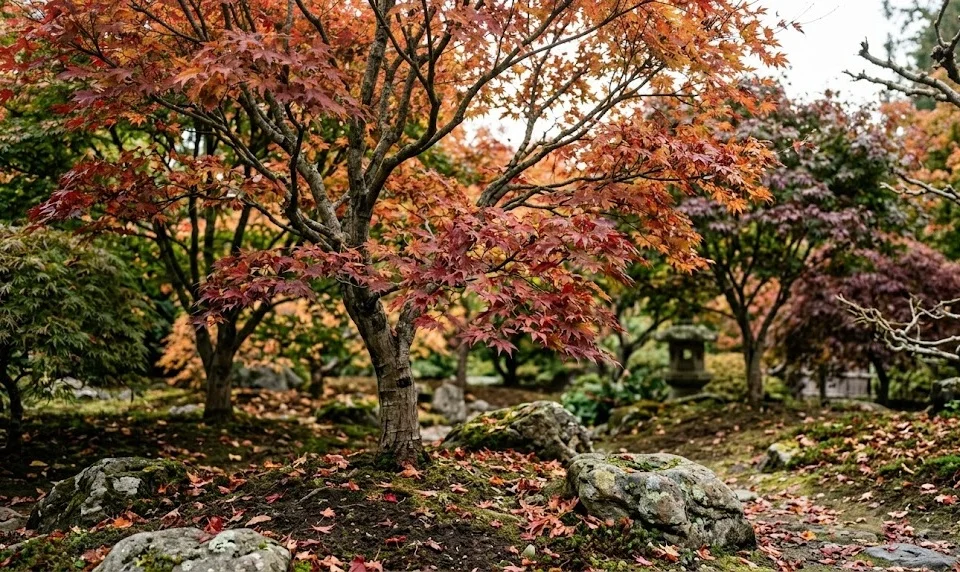
Autumn is the season when these trees truly shine, displaying a spectacular array of reds, oranges, and yellows. During this period, the tree is preparing for dormancy and moving nutrients from the leaves down into the root system. You should gradually reduce watering as the temperatures drop, but do not let the soil dry out completely until the ground freezes. This transition period is crucial for the tree to build up the reserves it needs for the winter months.
Winter observation involves checking for structural integrity and protecting the tree from heavy snow loads. While the tree is dormant, you can more easily see the branch structure and identify any crossing or rubbing limbs. It is also a good time to check the mulch levels and ensure the roots are well-insulated against deep freezes. Even though the tree looks inactive, the health of the roots is still your priority during the coldest months of the year.
Managing growth and vigor
The growth rate of a Japanese maple is generally slow to moderate, which makes it an excellent choice for smaller landscapes. You can influence the vigor of your tree by managing its environment and providing the right balance of nutrients. A tree that is growing too fast may produce weak wood that is more susceptible to storm damage. Conversely, a tree that isn’t growing at all may be suffering from root restrictions or nutrient deficiencies.
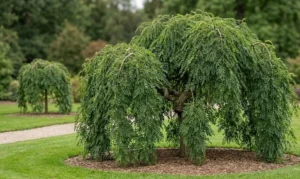
Understanding the natural habit of your specific cultivar is essential for setting realistic expectations. Some varieties are naturally pendulous and stay low to the ground, while others grow upright and reach significant heights. You should never try to force a tree into a shape or size that goes against its natural genetics. Professional care involves working with the tree’s inherent form to enhance its natural beauty rather than fighting it.
Root health is the primary driver of vigor, so any signs of decline in the canopy should lead you to inspect the ground first. Poor drainage or soil compaction will quickly manifest as stunted leaves and dieback in the upper branches. If the tree appears to be struggling, you might want to perform a soil test to see if any key elements are missing. Most of the time, improving the soil structure is more effective than simply adding more fertilizer.
Consistency is the hallmark of expert gardening, especially when it deals with long-lived specimen trees. Avoiding sudden changes in the tree’s environment, such as heavy pruning or drastic changes in watering, will prevent shock. A steady, predictable routine allows the tree to allocate its energy efficiently toward healthy growth and defense. By providing a stable foundation, you allow the maple to reach its full potential as a focal point in your garden.
Container cultivation techniques
Many enthusiasts choose to grow these maples in pots, which allows for greater control over the soil and location. You must choose a container with excellent drainage holes to prevent the potting mix from becoming waterlogged. A high-quality, bark-based potting soil is much better than standard garden soil for containerized specimens. This approach allows you to move the tree to follow the shade or protect it from extreme weather events.
The size of the pot should be proportional to the root ball, providing just enough room for a couple of years of growth. Over-potting can lead to issues because the large volume of soil holds more water than the small root system can process. You should plan on repotting the tree every two to three years to refresh the soil and manage root growth. Root pruning during the repotting process can help maintain the tree in a smaller container indefinitely.
Watering requirements for container-grown trees are much higher than for those planted in the open ground. In the heat of summer, you may need to water your potted maple every single day to prevent the root ball from drying out. Using a moisture meter can be a helpful way to ensure you are providing the right amount of hydration. Be aware that pots can also heat up quickly, so choosing light-colored containers or insulating them can protect the roots.
Winter care for potted trees requires more attention because the roots are more exposed to the cold than they would be in the ground. You can wrap the pots in burlap or move them to a sheltered, unheated area like a garage or shed. It is important to keep the soil slightly moist even during the winter to prevent the roots from desiccating. With proper care, a container-grown maple can be just as healthy and beautiful as its counterparts in the landscape.
Long-term landscape integration
Integrating a Japanese maple into your long-term landscape plan requires a vision of how the tree will look in ten or twenty years. You should consider the ultimate height and spread of the cultivar before you dig the first hole. Planting too close to a house or other large structures can lead to problems as the tree matures and its canopy expands. Giving the tree enough space to breathe will highlight its unique form and reduce the need for corrective pruning.
Companion planting can enhance the beauty of your maple while also providing functional benefits for the soil. Low-growing perennials or groundcovers that enjoy similar conditions can help shade the roots and keep the soil cool. Avoid plants with aggressive root systems that might compete with the maple for moisture and nutrients. Hostas, ferns, and forest grass are classic choices that complement the aesthetic and cultural needs of the tree.
Think about the visual impact of the tree during all four seasons, not just when it is in full leaf. The architectural form of the branches in winter can be just as stunning as the colorful foliage of spring and summer. Placing the tree where it can be viewed from a window ensures you can enjoy its beauty even when the weather is cold. A well-placed maple serves as a living piece of art that evolves and improves with age.
Sustainability in the garden means choosing plants that are well-suited to your climate and local environment. While maples are adaptable, choosing a variety that is known to perform well in your specific region will make care much easier. Researching local success stories and talking to local nurseries can provide valuable insights into which cultivars are the most robust. A thoughtful approach to integration ensures that your tree becomes a permanent and thriving part of your home’s outdoor space.
Advanced troubleshooting and recovery
Even with the best care, you may occasionally encounter issues that require a more technical approach to solve. If you notice sudden leaf drop or branch dieback, you need to investigate the cause immediately to prevent further damage. Often, these symptoms are a reaction to a recent environmental stressor like a heatwave or a period of heavy rain. Identifying the root cause allows you to make the necessary adjustments to the care routine.
Recovery from stress takes time, and you should be patient as the tree works to repair itself. Avoid the temptation to over-fertilize a struggling tree, as this can often do more harm than good by forcing new growth. Instead, focus on providing consistent moisture and protecting the tree from further environmental extremes. Sometimes, the best course of action is simply to wait and let the tree’s natural resilience take over.
If you suspect a pest or disease issue, accurate identification is the first step toward effective treatment. Many common problems can be managed with cultural changes or organic interventions if they are caught early. Consulting with a local arborist or agricultural extension office can provide you with expert advice tailored to your area. Keeping a garden journal can help you track patterns and identify recurring issues over several years.
Finally, remember that gardening is a continuous learning process and every tree is an individual. What works for one specimen might need to be tweaked for another based on its specific location and history. Staying curious and observant will make you a better gardener and a more effective caretaker for your Japanese maple. Your dedication to understanding the needs of these beautiful trees will be rewarded with a stunning display of nature’s artistry.