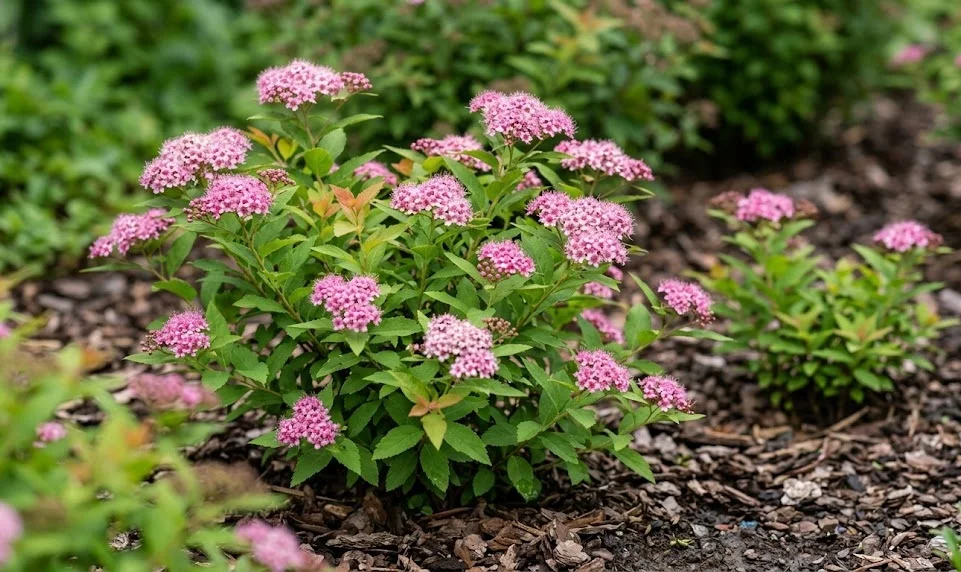

Preparing Japanese spirea for the winter months is a critical aspect of professional landscape maintenance that ensures the shrub’s health and longevity. Although this species is generally hardy and well-adapted to temperate climates, extreme winter conditions can still pose a threat to its structural integrity and root health. A proactive approach to overwintering involves protecting the plant from desiccation, mechanical damage from snow, and sudden temperature fluctuations. By implementing a few strategic measures in late autumn, you can guarantee that your spirea emerges in the spring with vigor and ready to bloom.
Autumn preparations and soil care
The process of overwintering begins well before the first frost arrives in your garden. In late autumn, you should focus on ensuring that the soil around the base of the Japanese spirea is thoroughly hydrated. Deciduous shrubs continue to lose moisture through their stems even when they have dropped their leaves, especially during dry, windy winter days. Providing a deep watering session before the ground freezes gives the root system a vital reservoir to draw from during the dormant period.
Avoiding late-season fertilization is another professional rule that prevents winter damage to the shrub. Applying nitrogen-rich fertilizers in late summer or autumn can stimulate new, tender growth that does not have enough time to harden off before the cold sets in. This soft tissue is highly susceptible to frost bite and can become an entry point for diseases during the winter. You should wait until the following spring to resume any nutrient supplementation when the plant is ready for active growth.
Cleaning the area around the base of the plant is an essential step in preventing overwintering pests and diseases. Remove fallen leaves, spent flowers, and any organic debris that might harbor fungal spores or insect eggs over the winter months. A clean environment reduces the likelihood of an outbreak when the weather warms up in the spring. This simple act of sanitation is one of the most effective preventive measures a professional gardener can take.
Applying a fresh layer of mulch in the late autumn provides a critical insulating blanket for the root system. A layer of wood chips or straw, about three inches deep, helps to stabilize soil temperatures and prevents the damaging cycle of freezing and thawing. This process, known as frost heaving, can push the roots out of the ground and expose them to the cold air. Keep the mulch a few inches away from the main stems to ensure proper air circulation and prevent rot.
More articles on this topic
Protecting against mechanical damage
Heavy snow and ice can be particularly damaging to the multi-stemmed structure of the Japanese spirea. The weight of accumulated snow can cause the flexible branches to bend or even snap, ruining the natural mounded shape of the shrub. In areas prone to heavy snowfall, you might consider lightly tying the main branches together with soft twine to provide extra support. This prevents the shrub from splaying open and protects the inner structure from being crushed.
If a heavy snowstorm occurs, you should gently brush the snow off the branches using an upward motion with a broom or your hands. Avoid shaking the branches violently, as they can be brittle in freezing temperatures and might break more easily. If ice has formed on the stems, it is best to leave it to melt naturally rather than trying to chip it away. Attempting to remove ice manually often results in more damage to the bark than the ice itself would cause.
Wind protection is another factor to consider for shrubs planted in exposed or high-elevation locations. Cold winter winds can quickly dry out the stems and buds of the spirea, leading to a condition known as winter dieback. Creating a temporary windbreak using burlap or snow fencing can significantly reduce this risk for particularly vulnerable or young plants. This barrier should be placed on the side of the prevailing winter winds to provide the most effective protection.
For younger, recently planted shrubs, a more comprehensive wrapping technique might be necessary for the first few winters. You can create a simple cage of wire mesh around the plant and fill it loosely with dry leaves or straw for maximum insulation. This method is particularly useful for protecting cultivars that are on the edge of their hardiness zone. As the shrub matures and its root system becomes more extensive, such extreme measures are usually no longer required.
More articles on this topic
Managing the dormant phase
During the winter, the Japanese spirea enters a state of true dormancy where its metabolic processes slow down significantly. This period of rest is essential for the plant’s long-term health and its ability to produce flowers in the coming season. You should avoid any form of pruning during the coldest months, as open wounds do not heal well when the plant is inactive. The only exception is the removal of branches that have been clearly broken by snow or wind to prevent further tearing.
Monitoring the moisture levels during winter thaws is a professional habit that can save a struggling shrub. If there is an extended period of warm, dry weather and the ground is not frozen, a light watering may be beneficial. This is especially true for shrubs planted in containers or in sandy soils that do not retain moisture well. However, you must be careful not to overwater, as the plant’s water needs are very low during this time.
Be mindful of the use of de-icing salts on nearby walkways or driveways, as these can be toxic to the spirea. Runoff containing salt can accumulate in the soil and prevent the roots from absorbing water, leading to physiological drought. If possible, use sand or birdseed for traction near your garden beds instead of harsh chemical salts. If salt exposure is unavoidable, you may need to flush the soil with fresh water in the early spring to dilute the concentrations.
Winter is also an excellent time to plan for the upcoming spring and evaluate the performance of your landscape. Observe how the spirea looks in its dormant state and consider if its location provides enough winter interest or protection. Taking notes on how different varieties handle the cold will help you make better plant selections in the future. A professional gardener uses the quiet months of winter to reflect and prepare for the busy growing season ahead.
Transitioning to spring growth
As the temperatures begin to rise and the days get longer, the Japanese spirea will gradually emerge from its winter sleep. The first sign of life is usually the swelling of the buds along the stems, which indicates that the sap is starting to flow again. This is the ideal time to remove any winter protection, such as burlap wraps or branch ties, before they interfere with new growth. You should also pull back the mulch slightly from the stems to allow the soil to warm up more quickly.
The early spring is the perfect window for a thorough inspection of the shrub to assess any winter damage. Look for stems that have turned brittle and brown, which may indicate dieback from the cold or desiccation. You can use a sharp pair of pruning shears to cut back these dead sections to the first healthy, green bud. This not only improves the appearance of the shrub but also encourages fresh, vigorous growth from the base.
Once the danger of hard frost has passed, you can apply the first round of balanced fertilizer to support the spring flush. This provides the necessary nutrients for the plant to build new leaves and prepare for the summer flowering season. If the winter was particularly dry, ensure the plant receives adequate water as it begins its active growth phase. A strong start in the spring is the best way to ensure a spectacular display later in the year.
Finally, take a moment to appreciate the resilience of the Japanese spirea and the success of your overwintering efforts. Seeing the first green leaves appear is a rewarding experience that confirms the value of professional garden care. With the foundation you have laid during the winter, your shrubs are now ready to face another year of growth and beauty. Proper overwintering is a cycle that pays dividends in the health and vitality of your entire garden.