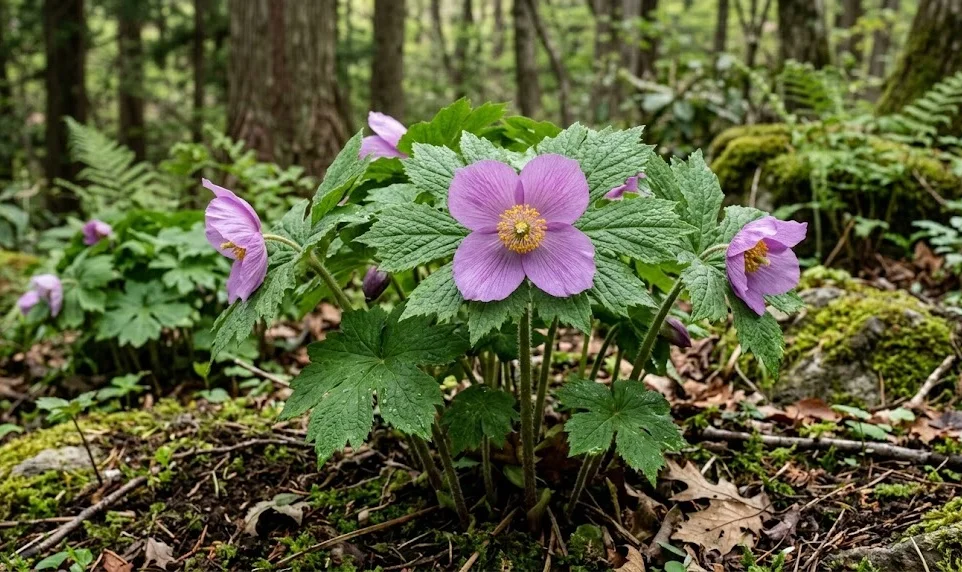

Preparing the Japanese wood poppy for the winter months is a critical task that ensures the survival of the dormant rhizomes during the coldest part of the year. In their native Japanese mountain habitats, these plants are accustomed to a consistent blanket of snow that acts as a natural insulator against extreme temperature fluctuations. In a garden setting, especially in regions with erratic winters and little snow cover, the gardener must intervene to provide this missing protection. A professional wintering strategy focuses on stabilizing the soil environment and protecting the crown from the damaging effects of the freeze-thaw cycle.
As the days shorten and temperatures begin to drop in autumn, the Japanese wood poppy naturally enters a state of dormancy. The large leaves will turn yellow and eventually die back to the ground, signaling that the plant has moved its energy reserves into the subterranean rhizomes. This natural process should be allowed to complete without interference, as the retreating nutrients are vital for the following year’s growth. Once the foliage is completely withered, it can be carefully removed to prevent it from becoming a harbor for overwintering pests or mold.
The greatest threat during the winter is not necessarily the cold itself, but the repeated freezing and thawing of the soil. This process can cause the ground to expand and contract, which may heave the shallow rhizomes out of the earth and expose them to sub-zero air. Providing a thick layer of organic mulch is the most effective way to prevent this physical displacement and maintain a more uniform soil temperature. A well-prepared plant can withstand significant cold, provided its roots remain securely anchored in the stable, moist earth.
Monitoring the moisture levels during the winter is also important, as dormant plants can still suffer from desiccation if the ground remains frozen for extended periods. While the poppy does not need active watering during the winter, ensuring the soil is moist before the first deep freeze can help it survive. In regions with very dry winters, a light watering during an occasional thaw can be beneficial. Successful wintering is the final step in the annual care cycle, setting the stage for a triumphant return in the spring.
Managing the transition to dormancy
The first signs of autumn dormancy are usually triggered by a combination of cooler nights and a decrease in daylight hours. During this period, the plant’s metabolic processes slow down, and it begins to mobilize sugars and other nutrients from the leaves to the roots. It is important not to apply any fertilizer during this transition, as this could stimulate late-season growth that would be killed by the first frost. Instead, the focus should be on maintaining a consistent environment that allows the plant to shut down naturally.
More articles on this topic
As the foliage begins to change color, it may look untidy, but it should be left in place until it is completely dry and brown. This ensures that the plant has reclaimed all possible resources from the aerial parts before they are lost to the winter. Once the stems have withered, they can be cut back to a few centimeters above the ground surface. Using clean tools for this task prevents the introduction of any late-season pathogens into the crown of the plant.
The area around the dormant poppy should be cleared of any weeds that might compete for resources or provide a hiding place for slugs. A clean site makes it easier to apply the winter mulch and monitor the plant for any signs of disturbance. This period of autumn cleanup is also an excellent time to assess the overall health of the garden and plan for any changes in the spring. Taking the time to prepare the site properly ensures a smoother transition into the winter months.
Hydration in late autumn is crucial, as the rhizomes need to be fully turgid before the ground freezes solid. A deep watering in late October or early November, depending on the local climate, provides the plant with the internal water it needs to survive the winter. Dry soil freezes more deeply and more quickly than moist soil, so maintaining some moisture is a key part of temperature management. This final watering is one of the most important cultural practices in the wintering process.
Applying protective winter mulches
The application of a winter mulch is the primary defense against the damaging effects of cold weather and soil heaving. Ideal materials for this purpose include shredded leaves, pine needles, or well-rotted compost, which provide excellent insulation while remaining breathable. The mulch layer should be applied after the first light frost has occurred but before the ground freezes hard. This timing ensures that the plant has entered true dormancy and that the mulch is not trapping warmth that might encourage late growth.
More articles on this topic
A depth of ten to fifteen centimeters is usually sufficient to provide the necessary thermal buffer for the Japanese wood poppy. The mulch should be spread evenly over the entire root zone, extending slightly beyond the previous season’s leaf spread. It is important to avoid piling the mulch too high directly over the center of the crown, as this can trap excess moisture and lead to rot. A “donut” shape, where the mulch is slightly thinner in the very center, is often recommended by professional growers.
In areas with very severe winters or little snow, an additional layer of evergreen boughs can be placed over the mulch to provide extra protection. These branches help trap whatever snow does fall and provide a physical barrier against cold, drying winds. They also help keep the mulch in place during winter storms, ensuring the plant remains covered until spring. This “belt and braces” approach is particularly valuable for protecting rare or young specimens that may be less resilient.
Throughout the winter, it is a good idea to periodically check the mulch to ensure it has not been dispersed by wind or disturbed by animals. If the layer has become thin or has shifted, it should be replenished or smoothed out to maintain the protective cover. This minimal maintenance ensures that the rhizomes stay protected during the most dangerous late-winter cold snaps. Mulching is a simple, cost-effective way to guarantee the long-term survival of high-value woodland perennials.
Spring awakening and uncovering
As the days begin to lengthen and the soil temperature rises in the spring, the Japanese wood poppy will start to stir from its winter sleep. This is a delicate time, as the emerging shoots are very tender and can be easily damaged by late frosts or rough handling. The winter mulch should be gradually thinned as the temperatures stabilize, allowing the soil to warm up more quickly. However, it is wise to keep a portion of the mulch nearby in case an unexpected cold front returns.
The first signs of growth are usually small, reddish-green nubs pushing through the soil surface, often quite early in the season. Once these are visible, the remaining thick winter mulch should be cleared away from the immediate crown to prevent the new shoots from becoming blanched or distorted. The cleared mulch can be redistributed around the periphery of the plant to serve as the new season’s weed suppressant and moisture barrier. This transition from winter protection to spring growth must be managed with care and attention.
If a late spring frost is predicted after the shoots have emerged, the plants should be temporarily covered with a light fabric or an inverted bucket overnight. Even a slight freeze can damage the leaf margins and ruin the aesthetic appeal of the plant for the entire season. Being prepared to provide this emergency protection is part of the commitment to growing sensitive woodland species. Monitoring the local weather forecast becomes a daily priority during these critical weeks of spring.
Once the danger of frost has passed and the leaves begin to expand, a light liquid feeding can be provided to support the rapid growth. This initial boost helps the plant recover from its winter dormancy and prepares it for the upcoming flowering season. The transition from wintering back to active care marks the beginning of another year of beauty in the garden. Each successful wintering strengthens the plant and builds the gardener’s confidence in handling this magnificent species.
Special considerations for cold climates
In regions with extremely low temperatures (USDA Zone 4 and below), extra precautions may be needed to ensure the Japanese wood poppy survives. Some gardeners find that growing these plants in large pots that can be moved into an unheated garage or a cold frame provides the best results. This allows the plant to experience the necessary cold period while avoiding the absolute lowest temperature extremes of the open garden. If kept in pots, it is vital to ensure they do not dry out completely during their time in storage.
For those growing in the ground in cold regions, selecting a site with a naturally sheltered microclimate is even more important. Planting against a south-facing wall (provided there is enough shade) or in a hollow that naturally accumulates snow can provide a few degrees of extra warmth. Using specialized horticultural fleeces or “frost blankets” can also add a layer of protection that is more effective than organic mulch alone. These modern materials are designed to trap heat while still allowing the soil to breathe.
Understanding the specific cold-hardiness of the individual specimen is also helpful, as some selections may be more resilient than others. Keeping records of which plants survive the winter best can help a gardener select the best stock for future propagation. Over time, a collection can be refined to include only those plants that are truly adapted to the local winter conditions. This localized adaptation is a key part of high-level horticultural success in challenging climates.
Ultimately, the wintering of the Japanese wood poppy is about respecting the plant’s need for a rest while protecting it from the harshness of the elements. It is a time of quiet preparation that is just as important as the busy months of spring and summer. A gardener who masters the art of wintering will be rewarded with a garden that returns to life with more vigor and beauty each year. The survival of these delicate woodland treasures through the depths of winter is a true testament to the skill of the professional horticulturist.