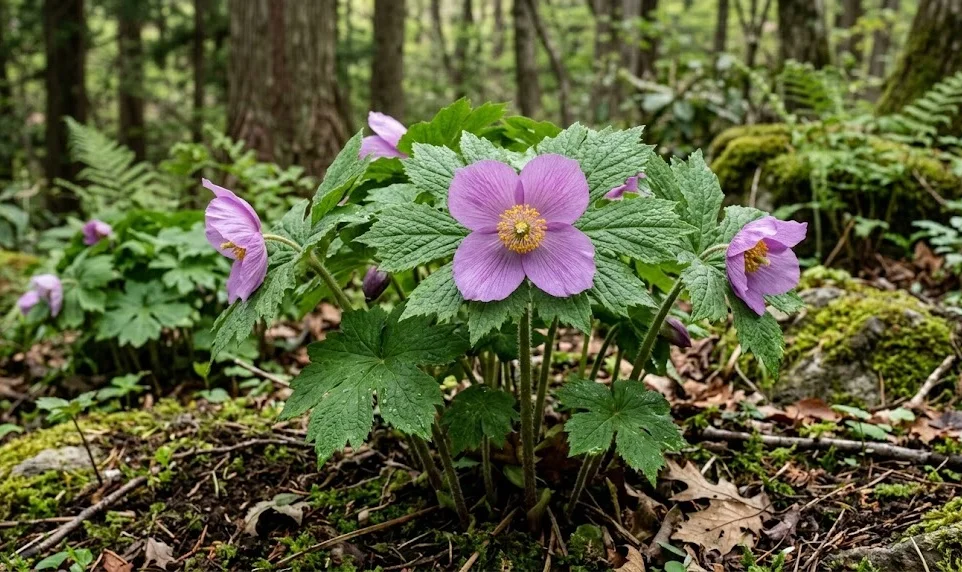

Successful establishment of the Japanese wood poppy begins with a meticulous approach to site selection and soil preparation before the first rhizome even touches the ground. This species is notoriously sensitive to transplant shock, making the initial planting phase the most critical period in its lifecycle within a garden. A professional approach involves analyzing the drainage patterns and light levels of the potential site to ensure they align with the plant’s evolutionary requirements. Once a suitable location is found, the focus shifts to creating a planting hole that encourages rapid root expansion and long-term stability.
The ideal time for planting is typically in early spring, just as the soil begins to warm but before the main surge of growth occurs. This timing allows the roots to settle into their new home while the air temperatures are still cool and the moisture levels are naturally high. Some gardeners also find success with early autumn planting, provided the plant has enough time to establish some roots before the ground freezes. Regardless of the season, the goal is to minimize the time the roots are exposed to the air during the process.
The planting hole should be dug significantly wider than the current root system to provide a zone of loosened soil for easy expansion. Incorporating organic matter into the backfill soil ensures that the young plant has immediate access to the nutrients it needs to overcome the stress of moving. It is important to plant the rhizome at the same depth it was growing previously, as burying it too deep can lead to crown rot. Firming the soil gently around the roots eliminates air pockets without causing excessive compaction.
Immediately after planting, a deep watering is necessary to settle the soil and ensure good contact between the roots and the earth. A layer of mulch should be applied around the base to preserve moisture and keep the soil temperature consistent during the establishment phase. Monitoring the plant closely for several weeks is essential to ensure it does not wilt or show signs of severe stress. With the right start, the Japanese wood poppy will begin to anchor itself and prepare for its first full season of growth.
Site selection and preparation
Choosing the right location is the most important decision a gardener makes when introducing this rare perennial to their landscape. The Japanese wood poppy naturally grows in cool, moist, and shaded deciduous forests, so a similar environment must be provided in the garden. North-facing slopes or the shaded side of a building often provide the consistent cool temperatures that these plants crave. Avoiding areas that receive the harsh afternoon sun is vital for preventing leaf scorch and heat-related decline.
More articles on this topic
The soil at the chosen site must be naturally well-draining yet capable of holding significant amounts of moisture throughout the summer. Areas where water tends to stand after a rainstorm are unsuitable and will likely lead to the death of the rhizomes. If the natural soil is heavy clay, it may be necessary to install drainage tiles or build a raised bed to improve the situation. Preparation should ideally begin several months in advance, allowing added organic matter to integrate fully with the native soil.
Proximity to large, competitive trees should be considered, as their aggressive root systems can strip the soil of moisture and nutrients. While the poppy needs the shade provided by trees, it should not be planted so close that it has to fight for survival. Finding a “sweet spot” where the light is dappled and the soil remains fertile is the hallmark of an expert woodland gardener. This careful balancing act ensures that the poppy has the resources it needs to thrive without constant intervention.
Long-term success also depends on the stability of the site, meaning it should not be subject to frequent changes in grade or significant physical disturbance. Once planted, the Japanese wood poppy prefers to remain undisturbed for many years, as its root system is slow to recover from damage. Future garden projects should be planned with the poppy’s location in mind to avoid accidental harm during construction or replanting. Selecting a permanent home from the beginning is the best way to ensure the plant’s longevity and health.
Seed propagation techniques
Propagating the Japanese wood poppy from seed is a task that requires patience and a commitment to mimicking natural processes. The seeds are best sown when they are fresh, as their viability can drop significantly if they are allowed to dry out for too long. A specialized seed-starting mix that is light, well-aerated, and rich in organic material provides the best medium for germination. Sowing the seeds in containers allows for better control over the environment and protects the delicate seedlings from garden pests.
More articles on this topic
Cold stratification is usually required to break the dormancy of the seeds and signal that the winter has passed. This can be achieved naturally by placing the sown containers in a cold frame outdoors over the winter months. Alternatively, a refrigerator can be used to provide the necessary cold period if the local climate is too unpredictable. The process of moving from cold to warm temperatures triggers the internal mechanisms that lead to the first signs of green growth.
Germination can be erratic and may take several months, so it is important not to discard the seed trays too early. Once the seedlings appear, they must be kept in a cool, bright location that is protected from direct sunlight. The young plants are extremely delicate and require careful watering to prevent damping-off, a common fungal disease of seedlings. Transplanting should only occur after the seedlings have developed a robust root system and several sets of true leaves.
Growing a Japanese wood poppy from seed to a flowering-sized plant can take four to five years of dedicated care. This slow process is why mature specimens are so highly valued and why many gardeners prefer to purchase established plants. However, the reward of seeing a plant grow from a tiny seed into a magnificent woodland giant is unparalleled for many enthusiasts. It also allows for the selection of the strongest individuals that are best adapted to the specific conditions of a particular garden.
Division of mature rhizomes
For those who already have an established clump, division is an effective way to increase their stock of Japanese wood poppies. This process should only be undertaken every few years, as frequent division can weaken the parent plant and reduce its flowering potential. The best time to divide is in early spring just as the first buds are beginning to swell on the rhizome. Using a sharp, clean knife to separate the fleshy roots ensures that the wounds are clean and heal quickly.
Each division must have at least one or two healthy growth buds and a substantial portion of the root system attached. Larger divisions tend to establish more quickly and may even bloom in their first year after moving. It is critical to keep the divided sections moist and cool throughout the entire process to prevent the fine root hairs from drying out. Planting the new divisions immediately into prepared soil gives them the best chance of successful establishment.
After division, the plants may show some signs of stress, such as smaller leaves or a lack of flowers during the first season. This is a normal reaction as the plant redirects its energy into repairing the root system rather than producing top growth. Providing a little extra care in the form of regular watering and a light application of mulch will help the divisions recover. Over time, these new plants will grow into full-sized clumps that match the beauty of the original specimen.
Sharing divisions with other gardeners is a long-standing tradition that helps ensure the survival of this species in cultivation. It also provides a backup in case the original plant is lost to disease or an extreme weather event. Division is a practical skill that allows a gardener to expand their woodland collection without the long wait associated with seed propagation. When done correctly, it is a safe and reliable method for multiplying these stunning perennials.
Establishing young plants
The first year after planting or division is a period of adjustment where the Japanese wood poppy is particularly vulnerable. It is during this time that the plant’s future health is determined by the consistency of the care it receives. Water management is the most critical factor, as the young roots are not yet deep enough to access moisture during dry spells. Checking the soil moisture daily and providing supplemental irrigation when necessary is a requirement for successful establishment.
Providing temporary shade may be beneficial if the weather becomes unseasonably hot or if the natural canopy has not yet fully filled in. A simple structure made of lath or shade cloth can protect the young foliage from being overwhelmed by intense light. This protection allows the plant to focus its energy on root development rather than trying to survive environmental stress. As the roots grow deeper and the plant becomes more resilient, the temporary shade can be gradually removed.
Fertilization should be kept to a minimum during the first year to avoid forcing too much top growth at the expense of the roots. A light top-dressing of well-rotted compost is usually sufficient to provide the basic nutrients needed for establishment. Avoid using high-nitrogen synthetic fertilizers, as these can produce weak, succulent growth that is more attractive to pests and more susceptible to disease. The goal is to encourage steady, natural growth that builds a strong foundation for the years to come.
By the end of the first full growing season, the Japanese wood poppy should have developed a stable root system and a healthy crown. Successful establishment is indicated by the appearance of robust new buds that will form the following year’s growth. Once this stage is reached, the plant requires less intensive monitoring and can be treated as a permanent member of the garden. The effort invested in the early stages of planting and propagation pays off in the form of a thriving, long-lived woodland treasure.