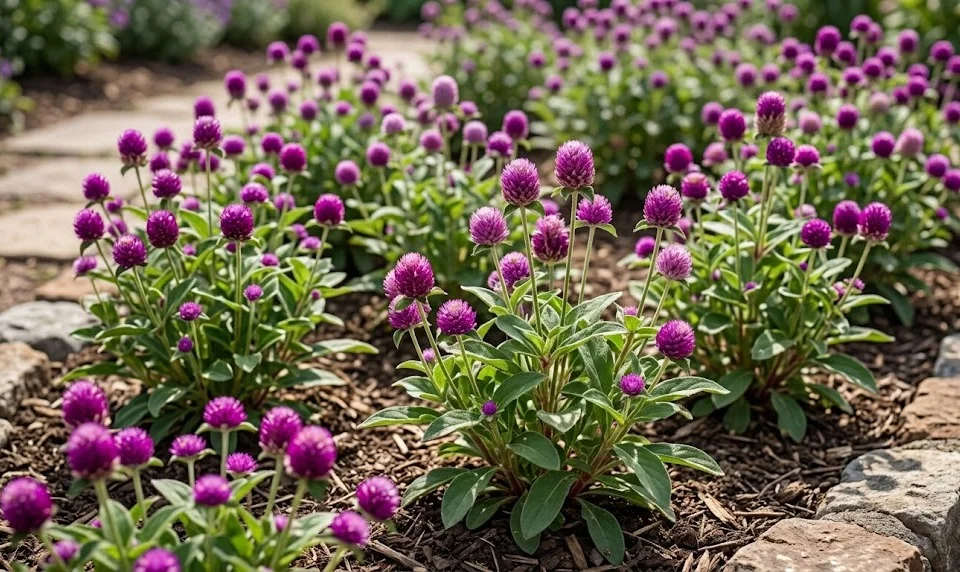

The light requirements of the globe amaranth are perhaps the most important factor to consider when choosing a location in your garden. This species is a true sun-lover, evolving in regions where intense solar radiation is a daily reality. To achieve the best results, you must provide it with as much direct sunlight as possible throughout the day. Without adequate light, the plant will struggle to produce its signature vibrant flowers and may become weak and prone to issues.
In technical terms, this means the plant needs at least six to eight hours of direct, unfiltered sunlight every day. Full sun exposure ensures that the plant has enough energy to fuel its rapid growth and continuous blooming cycle. If you place it in a spot that receives only morning sun or dappled light, you will likely see a significant decrease in flower production. The stems may also become elongated and “leggy” as they stretch out in search of more light.
The intensity of the light is just as important as the duration, especially in the peak of the summer. The globe amaranth is one of the few plants that thrives even in the hottest, most exposed parts of the landscape. It is a perfect choice for south-facing borders, rock gardens, or near paved areas that reflect heat and light. While other plants might wilt under these conditions, this species will continue to grow and bloom with enthusiasm.
If you are gardening in a region with very long summer days, the plant will take full advantage of every extra hour of light. This often leads to even more impressive displays and a longer flowering period that lasts well into the autumn. Conversely, in northern climates with shorter days, maximizing light exposure becomes even more critical for success. Always prioritize the sunniest spot in your garden for this heat-loving annual.
Sunlight duration and intensity
Understanding how light moves across your garden throughout the day is a key skill for any successful horticulturist. Take the time to observe your potential planting sites at different hours to see which areas get the most consistent exposure. Avoid placing globe amaranth near tall buildings, large trees, or dense shrubs that might cast shadows during the peak of the afternoon. A clear, open location will always produce the most robust and healthy plants.
More articles on this topic
The quality of the light can also be affected by the surrounding environment, such as reflective surfaces. Planting near a white wall or a light-colored fence can actually increase the amount of light the plant receives through reflection. This can be a useful strategy if you are working in a smaller garden where direct sun might be limited. The added warmth from these surfaces also benefits the plant’s overall growth and development.
During the height of summer, the ultraviolet (UV) radiation from the sun is at its strongest, which can be stressful for many plants. However, the globe amaranth has developed specialized pigments in its bracts and leaves that protect it from this intense radiation. This is why the colors of the flowers remain so vibrant even under the harshest sun without fading or burning. It is a remarkable adaptation that makes the plant a standout performer in hot climates.
If you notice that your plants are not blooming as much as expected, the first thing to check is whether they are getting enough light. Even a small increase in daily sun exposure can make a noticeable difference in the number of flower heads produced. If moving the plants is not an option, you might consider thinning out nearby vegetation to allow more light to reach them. Every extra bit of sunshine helps the plant achieve its full floral potential.
Managing shade and partial sun
While the globe amaranth is incredibly resilient, it does have a breaking point when it comes to shade. In areas that receive less than four hours of sun, the plant will often fail to thrive and may eventually die off. The lack of energy from the sun prevents it from producing the carbohydrates it needs to sustain its root system and stems. It is always better to choose a different, more shade-tolerant species for these darker corners of the garden.
More articles on this topic
In partial sun conditions, which are usually defined as four to six hours of light, you might get a moderate display. The plants will likely be shorter and the flowers will be less numerous and perhaps smaller in size. You may also find that the stems are not as sturdy, making them more likely to flop over during heavy rain. If you must plant in partial sun, try to ensure that the light they do receive is during the strongest part of the afternoon.
One consequence of too much shade is an increase in humidity around the foliage, which can lead to fungal diseases. Sunlight acts as a natural disinfectant and helps to quickly dry off any moisture on the leaves from dew or rain. In shadier spots, the leaves stay wet for longer, creating the perfect environment for powdery mildew to take hold. Providing adequate light is therefore not just about growth, but also about disease prevention.
If you are growing in a container, you have the advantage of being able to move the plant to follow the sun as the seasons change. In the spring, you might have the pot in one location, only to find that a nearby tree blocks the sun as its leaves fully develop. Being able to shift the plant even a few feet can sometimes be the difference between success and failure. This flexibility is one of the many benefits of container gardening with sun-loving species.
Light and flower color development
The relationship between light and the intensity of the flower color is a fascinating aspect of this plant’s biology. The vibrant purples, reds, and pinks that we admire are produced by pigments that require light for their synthesis. Generally, the more direct sunlight the plant receives, the deeper and more saturated the colors will be. This is why plants grown in full sun always look more striking than those in even slightly shadier locations.
Light also influences the longevity of the flower bracts once they have formed on the plant. In high-light environments, the bracts remain firm and colorful for a much longer period before they eventually begin to dry out. This is particularly important if you are growing them specifically for use in dried floral arrangements. The quality of the “everlasting” flower is directly tied to the conditions in which it was grown.
You might notice that the color of the flowers can shift slightly depending on the intensity of the sun at different times of the season. In the very brightest days of mid-summer, the colors may appear almost neon in their intensity. As the light becomes softer and more golden in the autumn, the flowers may take on a slightly different hue. Observing these subtle changes adds another layer of appreciation for the plant’s interaction with its environment.
Finally, remember that light and water are closely linked in terms of how the plant manages its internal resources. In high-light, high-heat conditions, the plant will transpire more water and therefore need a more consistent supply of moisture. By balancing these two elements, you create the perfect conditions for a truly spectacular display. The globe amaranth is a sun-worshipper that will always reward your efforts with a brilliant show of color.