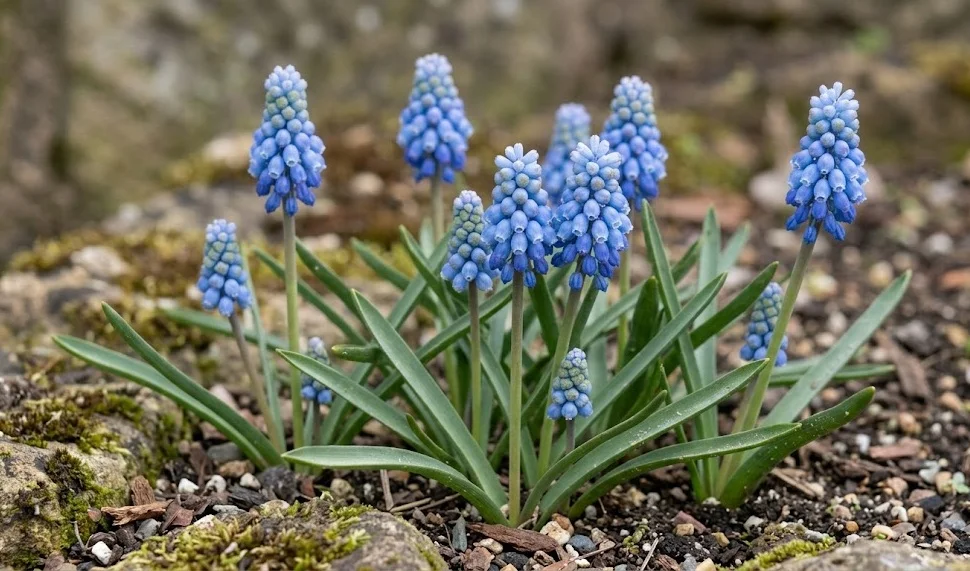

Proper hydration and nutrient management are the twin pillars of success when cultivating the azure grape hyacinth. While these bulbs are naturally adapted to environments with seasonal moisture shifts, they achieve their full potential only with targeted intervention. Understanding when to provide water and when to hold back is essential for preventing disease and encouraging vigor. Likewise, a strategic approach to fertilization ensures that the bulbs remain strong and capable of producing spectacular blooms for many years.
Hydration during active growth
The most critical period for watering begins in late winter or early spring as soon as the first green shoots break through the soil. During this phase, the plant is rapidly building tissue and requires a steady supply of moisture to support its metabolic activities. If the spring is dry, supplemental watering is necessary to prevent the flower stalks from becoming stunted. The goal is to keep the soil consistently moist but never saturated or “muddy.”
As the flower buds begin to swell and color, the demand for water reaches its peak. At this stage, a lack of hydration can lead to the flowers wilting prematurely or failing to open fully. Watering should be done at the base of the plant to keep the delicate azure bells dry. Morning is the best time for this task, as it allows any accidental moisture on the foliage to evaporate before evening.
Once the flowers have faded, the leaves continue to work for several weeks, and they still require adequate moisture. Many gardeners make the mistake of stopping all watering as soon as the “show” is over, which can cut the bulb’s recharging phase short. Maintaining soil moisture until the leaves start to turn yellow naturally is the professional way to handle this transition. This ensures the bulb has every opportunity to store the maximum amount of energy.
The texture of the soil plays a significant role in how often watering should occur. Sandy soils will need more frequent, lighter applications, while loamy soils hold moisture longer and require less frequent intervention. Checking the soil moisture by inserting a finger a few centimeters into the ground is more reliable than following a strict calendar. Adapting to the specific conditions of the day is the hallmark of an attentive gardener.
More articles on this topic
Nutritional requirements and timing
Fertilizing azure grape hyacinths is not about providing a constant flow of nutrients, but rather about strategic boosts at key moments. The primary goal is to support the bulb’s ability to store energy rather than just forcing rapid leaf growth. A balanced, slow-release fertilizer applied in early spring as the tips emerge is often all that is needed. This provides a steady baseline of minerals that the plant can draw upon as it develops.
The ratio of nutrients is important, with a focus on phosphorus and potassium rather than excessive nitrogen. Nitrogen encourages lush green leaves, which can be attractive but may come at the expense of flower quality and bulb health. Phosphorus is essential for strong root development and the formation of flower buds for the following year. Potassium helps with overall plant resilience and the efficient transport of water and nutrients within the tissues.
Organic options, such as well-aged compost or bone meal, are excellent choices for long-term soil health. These materials break down slowly, mimicking the natural nutrient cycles found in the plant’s native habitats. Spreading a thin layer of compost over the planting area in the autumn provides a gentle nutrient boost for the spring. This approach also improves the soil structure, which indirectly helps with moisture management.
Avoid fertilizing once the plant has entered its full summer dormancy, as the roots are not active and cannot take up the nutrients. Any fertilizer applied during this time is likely to wash away or contribute to salt buildup in the soil. The “window of opportunity” for feeding is relatively short, coinciding with the presence of green foliage. Professional care means respecting the plant’s natural periods of rest and activity.
More articles on this topic
Managing summer drought and dormancy
Summer dormancy is a unique phase where the azure grape hyacinth’s water needs drop to almost zero. In its native Mediterranean and Western Asian mountain homes, the summers are hot and dry, and the bulb is adapted to these conditions. In fact, keeping the bulbs too wet during the summer is the leading cause of bulb rot. If the bulbs are planted near thirsty summer perennials, care must be taken to avoid over-watering the dormant hyacinths.
A natural “baking” in the warm summer soil can actually benefit the bulbs, helping them to ripen and prepare for the next cycle. If the summer is exceptionally rainy, ensuring that the drainage is top-notch becomes even more important. Some professionals even use temporary covers or move container-grown bulbs to a sheltered spot to keep them dry. This period of “rest” is vital for the internal chemical changes that lead to spring flowering.
Signs of moisture stress during dormancy are hard to spot since the plant is underground, but they can manifest as poor performance the following spring. If the soil becomes bone-dry for months on end, a very light occasional watering might be needed to keep the bulbs from shriveling. However, this is rarely necessary in most garden settings where some ambient moisture is present. The key is to avoid the extremes of complete desiccation and constant sogginess.
When the autumn rains return, the bulbs naturally begin to wake up and start their root growth. This is a time when the soil should be allowed to receive natural rainfall without too much human interference. If the autumn is unusually dry, a few deep waterings can help kickstart the new season’s growth. Observing the weather patterns and responding with a light touch is the best strategy for this transitional time.
Precision application techniques
How you apply water and fertilizer can be just as important as the materials themselves. Using a watering can with a fine rose attachment allows for a gentle application that doesn’t displace the soil or damage young shoots. For larger drifts, a soaker hose can deliver moisture directly to the roots while keeping the surface and foliage dry. Precision in delivery reduces waste and minimizes the risk of fungal issues.
When using granular fertilizers, it is important to scratch them lightly into the top layer of soil. This prevents the nutrients from being washed away by a sudden downpour and brings them closer to the root zone. Care should be taken not to disturb the bulbs or the emerging foliage during this process. After applying any dry fertilizer, a light watering helps to dissolve the minerals and move them into the soil.
Liquid fertilizers offer a more immediate effect and can be useful if the plants show signs of nutrient deficiency. These should be diluted according to the manufacturer’s instructions and applied to the base of the plants. Foliar feeding, or spraying the leaves, is generally not recommended for bulbs as it can encourage disease. Stick to soil-based applications for the most reliable and professional results.
Testing the soil every few years provides a scientific basis for your fertilization strategy. It prevents the over-application of certain minerals, which can be just as harmful as a deficiency. Professional gardeners often keep a log of what was applied and how the plants responded the following year. This data-driven approach takes the guesswork out of maintenance and ensures long-term success.
Overcoming common hydration and feeding errors
One of the most frequent mistakes is over-fertilizing in an attempt to get bigger flowers. This often results in “floppy” foliage and stems that cannot support the weight of the flower spikes. If your azure grape hyacinths are leaning over or looking unnaturally lush, try reducing the amount of fertilizer the following year. A slightly “lean” diet often results in a more natural and sturdy plant.
Another common error is failing to account for the competition from tree roots or large shrubs. These larger plants can act like giant sponges, sucking all the moisture and nutrients out of the soil. If your hyacinths are planted near large trees, they may require more frequent watering and a bit more fertilizer than those in open beds. Monitoring the specific conditions of each micro-environment is a key part of professional care.
Using the wrong type of fertilizer, such as one very high in nitrogen, can lead to beautiful leaves but no flowers. If you see plenty of foliage but few azure bells, check your fertilizer labels for the middle number (phosphorus). Switching to a “bloom-booster” or a balanced organic mix can often correct this issue over one or two seasons. Patience is required, as the bulb needs time to reorganize its internal stores.
Finally, ignore the temptation to water on a schedule regardless of the weather. A rainy week means you can skip the watering can entirely, even during the peak growth phase. Over-watering in cool, damp weather is an open invitation for pests and diseases. By staying in tune with the natural environment, you provide the precise care that the azure grape hyacinth needs to truly shine.