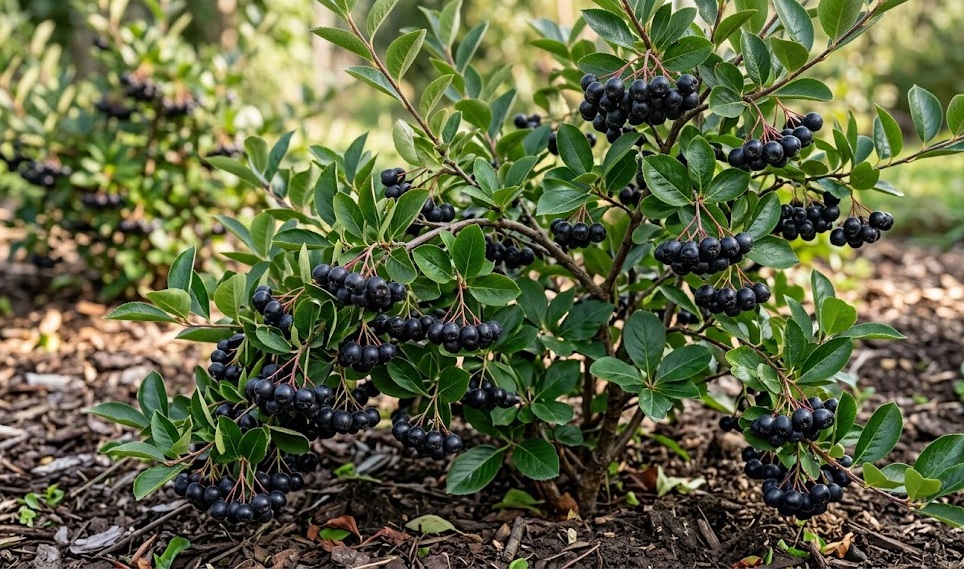

Maintaining the health of your berry shrubs requires a vigilant eye and a deep understanding of the various biological threats they face. While the black chokeberry is renowned for its natural resistance to many common ailments, it is not entirely immune to the pressures of a dynamic garden ecosystem. Professional management involves identifying potential problems at their earliest stages and implementing strategies that protect the crop without harming the surrounding environment. By staying informed and proactive, you can ensure that your plants remain vibrant and productive for many years.
Disease prevention starts with creating an environment where the plants can thrive and their natural defenses are at their strongest. You should prioritize good air circulation and proper spacing to reduce the humidity levels that often lead to fungal and bacterial outbreaks. A stressed plant is a target for pathogens, so consistent watering and balanced nutrition are your first lines of defense in any integrated pest management plan. Understanding the lifecycle of common threats allows you to intervene at the most effective moments to disrupt their spread.
Pests can range from tiny microscopic mites to larger insects and even birds that are drawn to the ripening fruit. You should recognize that a few insects in the garden are a sign of a healthy ecosystem and do not always require a chemical response. The goal of a professional grower is to keep pest populations below a level where they cause significant economic or aesthetic damage to the shrubs. This balanced approach preserves the beneficial insects that help control pests naturally while protecting your hard-earned harvest.
A human touch in disease and pest management means spending time in your garden, observing the subtle changes in the foliage and the fruit. You should look under the leaves and inside the canopy where many problems first take hold, away from the casual glance. Being an expert means knowing when to step in and when to let nature take its course in the grand scheme of the landscape. This dedication to detailed observation is what separates a successful agriculturalist from one who is constantly battling preventable problems.
Identifying fungal pathogens
Fungal infections are among the most common issues that can affect the leaves and fruit of these hardy berry bushes. You should watch for signs of powdery mildew, which appears as a white, dusty coating on the upper surfaces of the foliage. This condition thrives in warm, humid weather and can reduce the plant’s ability to photosynthesize if left unchecked. Improving air flow through judicious pruning is often enough to keep this particular fungus from becoming a major concern.
More articles on this topic
Leaf spot is another fungal challenge that can cause premature leaf drop and weaken the overall vitality of the shrub. You should look for small, dark circles with lighter centers that develop on the older leaves during the mid-summer months. If you notice these symptoms, it is important to remove and destroy any infected foliage to prevent the spores from spreading further. Keeping the area under the plants clean of fallen debris is a simple but highly effective way to break the cycle of infection.
Rust is a more specific type of fungus that can sometimes jump from nearby alternate hosts like juniper trees to your berry patch. You should be aware of any bright orange or yellow spots that appear on the undersides of the leaves or on the developing fruit. While rust rarely kills the plant, it can significantly impact the quality and quantity of the harvest if it becomes widespread. Choosing resistant varieties and managing the surrounding landscape can help mitigate the risk of this colorful but unwanted guest.
Managing fungal issues always begins with cultural practices that discourage the growth of spores in the first place. You should avoid overhead watering, which leaves the foliage damp for long periods and creates a perfect breeding ground for fungi. Instead, use drip irrigation or soaker hoses to deliver water directly to the ground where it is needed most. These professional habits reduce the need for fungicides and contribute to a healthier, more resilient garden environment for everyone.
Common insect pests
Aphids are tiny, soft-bodied insects that can cluster on the new growth of your shrubs and suck the vital sap from the stems. You should check the tips of the branches in early spring for any signs of curling or distorted leaves, which often hide these pests. While a small number of aphids are usually handled by natural predators like ladybugs, a large infestation can stunt the growth of the plant. A strong blast of water from a garden hose is often all that is needed to dislodge these uninvited visitors.
More articles on this topic
Scale insects are another group of pests that can go unnoticed because they look like small, stationary bumps on the bark of the shrub. You should inspect the main stems and older branches for these armored insects that feed on the plant’s internal fluids. If you find them, you can often remove them manually or use a horticultural oil during the dormant season to suffocate them. Keeping your plants healthy and stress-free is the best way to prevent scale from becoming a persistent problem in your berry patch.
Spider mites are microscopic pests that can cause the leaves to take on a stippled, bronzed appearance during hot and dry weather. You should look for fine webbing between the stems as a clear indicator that these tiny arachnids have moved into your garden. They thrive in dusty conditions, so keeping the area around your shrubs hydrated and the foliage clean can help keep their numbers in check. Encouraging a diverse population of predatory mites is a sustainable way to manage this particular challenge without harsh chemicals.
Berry borers or fruit-eating insects are a direct threat to your harvest and require a different set of management strategies. You should monitor the ripening fruit for any small holes or signs of internal feeding that could indicate the presence of larvae. Removing any damaged fruit immediately helps to prevent the next generation of pests from completing their lifecycle in your garden. A clean and well-maintained berry patch is much less attractive to these insects than one that is neglected and overgrown.
Bacterial and environmental stress
Bacterial leaf scorch is a more serious condition that can sometimes be mistaken for drought stress or simple nutrient deficiencies. You should look for browning along the edges of the leaves that moves inward, often with a distinct yellow halo between the dead and living tissue. This pathogen is often spread by insects like leafhoppers, so managing the overall insect population can help reduce the risk of infection. While there is no easy cure for bacterial issues, providing excellent overall care can help the plant survive and remain productive.
Environmental stress can often mimic the symptoms of diseases, leading to confusion for the inexperienced gardener or grower. You should recognize that extreme heat, late frosts, or sudden changes in soil moisture can all cause leaf spots and wilting. Before jumping to a diagnosis of a disease, evaluate the recent weather patterns and your own maintenance activities in the garden. Sometimes the best “medicine” for a struggling plant is simply a deep watering or a fresh layer of protective mulch.
Pollution and salt damage are also factors that can affect the health of shrubs planted near busy roads or in urban environments. You should watch for signs of tip burn or general decline that doesn’t seem to have a clear biological cause. In these cases, regular flushing of the soil with clean water can help remove any accumulated salts or toxins from the root zone. Choosing a sheltered location for your berry patch can also help mitigate the impact of environmental pollutants on your crop.
Mechanical damage from lawnmowers or string trimmers can create entry points for pathogens that wouldn’t otherwise be able to infect the plant. You should always maintain a clear zone around the base of your shrubs to prevent these accidental injuries to the bark. A wounded stem is a gateway for bacteria and fungi to enter the vascular system of the plant, potentially leading to long-term decline. Protecting the physical integrity of your plants is a simple but vital part of a professional health management program.
Preventative cultural practices
The most effective way to manage diseases and pests is to prevent them from ever gaining a foothold in your garden in the first place. You should start with high-quality, disease-free nursery stock from a reputable supplier who understands the needs of the species. Selecting varieties that are known for their resistance to local problems is a smart strategic move that will save you time and money. A healthy beginning is the best foundation for a lifetime of productive and stress-free berry growing.
Crop rotation and diversity in the landscape help to prevent the buildup of specific pests and pathogens that target a single type of plant. You should avoid planting your berry shrubs in large monocultures and instead integrate them with other species that encourage a balanced ecosystem. This diversity supports a wide range of beneficial insects and microorganisms that act as a natural defense system for your garden. Professional horticulture is as much about managing the entire environment as it is about caring for individual plants.
Pruning for health involves removing any dead, damaged, or diseased wood as soon as it is noticed, regardless of the time of year. You should always use clean, sharp tools and make your cuts back to healthy tissue to encourage rapid healing of the wound. Thinning out the center of the bush allows more sunlight to reach the interior, which discourages the damp conditions that many fungi prefer. Regular maintenance pruning is a proactive step that keeps the shrub vigorous and less attractive to opportunistic threats.
Sanitation is perhaps the most overlooked aspect of disease management in the home garden and professional plantation alike. You should be diligent about removing fallen fruit and leaves at the end of the season, as these can harbor overwintering pests and spores. Disinfecting your tools after working on a suspect plant prevents you from accidentally spreading a problem across your entire collection. These small, disciplined habits are what define a true expert and ensure the long-term success of any agricultural project.
Natural control methods
Biological controls involve using the natural enemies of pests to keep their populations in check without the use of synthetic pesticides. You should encourage the presence of ladybugs, lacewings, and parasitic wasps by providing them with a hospitable habitat and a source of nectar. These tiny warriors are far more effective at managing aphids and mites over the long term than any chemical spray could ever be. Creating a balanced garden is a fascinating process that allows you to work with nature rather than against it.
Neem oil and insecticidal soaps are excellent tools for managing minor pest outbreaks while minimizing the impact on beneficial insects. You should apply these products during the early morning or late evening to avoid the heat of the day and protect any visiting pollinators. These natural options work by disrupting the breathing or feeding of the pests without leaving behind harmful residues on your berries. Always follow the instructions on the label to ensure that you are using these tools safely and effectively.
Bird netting is a simple and non-toxic way to protect your ripening harvest from the local bird population that also craves these nutritious berries. You should install the netting just as the fruit begins to change color, ensuring that it is secured tightly so that birds cannot become trapped. While it may take a bit of effort to set up, it is the most reliable way to ensure that you actually get to enjoy the fruit of your labor. Sharing a few berries with the birds is fine, but a total loss of the crop is something every grower wants to avoid.
Final thoughts on health management involve a commitment to continuous learning and a respect for the complexity of the natural world. You should keep a garden journal to track the timing of pest arrivals and the effectiveness of your various control methods. Over time, you will develop a deep understanding of your specific landscape and the challenges it presents. This expertise allows you to garden with confidence, knowing that you can handle whatever challenges the season may bring to your berry patch.