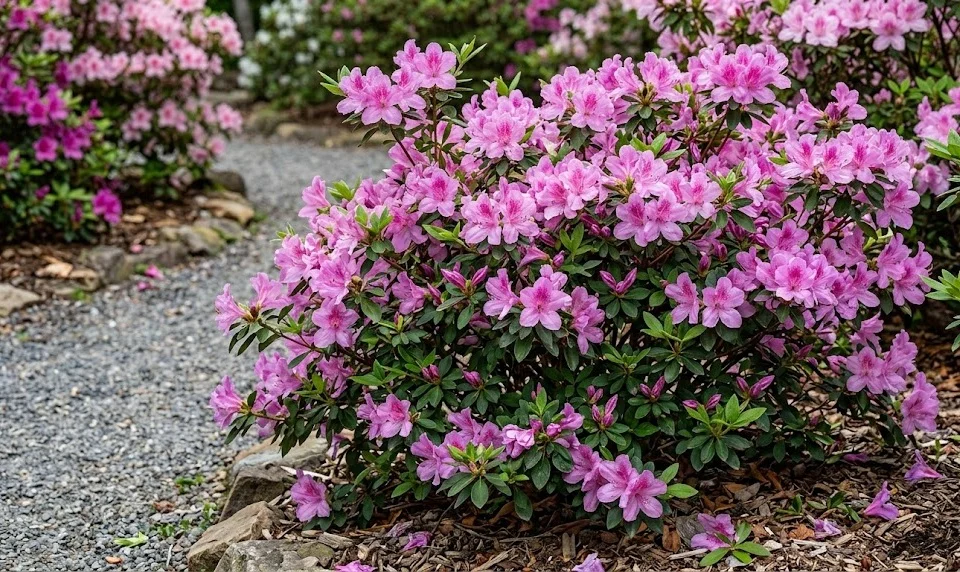

Pruning is a vital aspect of azalea maintenance that serves to improve the plant’s health, manage its size, and enhance its natural beauty. While these shrubs do not require heavy annual pruning, a thoughtful and professional approach will yield a more productive and aesthetically pleasing specimen. Knowing when and how to make your cuts is the difference between a thriving shrub and one that struggles to recover. This guide covers the essential techniques and timing for pruning azaleas to ensure the best results for your garden.
The most important rule of pruning azaleas is to time your work according to the plant’s blooming cycle. Azaleas set their flower buds for the following year shortly after they finish blooming in the spring. If you prune too late in the summer or in the autumn, you will likely cut off next year’s flowers before they ever have a chance to open. For this reason, the ideal window for pruning is immediately after the current year’s blossoms have faded.
Light pruning, such as removing dead or damaged wood, can and should be done at any time of the year. Keeping the shrub free of diseased or broken branches prevents pathogens from entering the healthy tissue and improves the overall look of the plant. Use sharp, sterilized bypass pruners to make clean cuts that will heal quickly without tearing the bark. A clean garden is much less likely to harbor the pests and diseases that can ruin a season’s growth.
When you are pruning for shape, try to follow the natural habit of the variety you are growing. Some azaleas are meant to be low and spreading, while others are naturally more upright and tall. Avoid the temptation to shear azaleas into rigid, formal shapes like balls or boxes, as this ruins their graceful appearance and leads to excessive twiggy growth on the exterior. Instead, use selective thinning to maintain the desired size while preserving the plant’s natural character.
Techniques for structural maintenance
Selective thinning involves removing entire branches back to their point of origin or to a strong lateral branch. This technique is used to reduce the size of the plant without changing its overall shape or density. By removing some of the older, larger branches from the center of the shrub, you allow more light and air to reach the interior. This promotes healthier growth throughout the entire plant and reduces the risk of fungal diseases.
More articles on this topic
Heading back is a different technique where you cut a branch back to a specific bud to encourage new growth in a certain direction. This is useful for filling in bare spots or encouraging the plant to become bushier and more branched. Always make your cut about a quarter-inch above a healthy bud, angling the cut away from the bud to allow water to run off. Be careful not to do too much heading back at once, as it can result in a cluttered and messy appearance.
If your azaleas have become overgrown and leggy, you may need to perform a rejuvenation pruning. This involves cutting the entire plant back significantly, sometimes to within a foot of the ground, to encourage completely new growth. This is a drastic measure and should only be done on healthy, well-established plants that have the energy to recover. Rejuvenation pruning is best done in the early spring before the new growth begins, though you will sacrifice that year’s flowers.
After any significant pruning, it is a good idea to provide the plant with a little extra care to help it recover. Ensure the shrub is well-watered and apply a light dose of fertilizer to support the flush of new growth that will follow. Keep an eye out for any signs of stress or pests that might take advantage of the plant while it is in its recovery phase. With proper care, even a heavily pruned azalea will return with renewed vigor and a better shape than before.
Tools and safety for professional pruning
Using the right tools is essential for achieving professional results and ensuring the health of your azaleas. Bypass pruners are the preferred tool for most tasks, as they act like scissors and make a clean, precise cut. Anvil pruners, which crush the stem against a flat surface, should be avoided as they can damage the delicate vascular system of the branch. For larger branches that are too thick for hand pruners, a small pruning saw or a pair of loppers will be necessary.
More articles on this topic
Keeping your tools sharp is not just about making the job easier; it is also about the health of the plant. A dull blade will tear the wood and leave a ragged edge that takes much longer to heal and is more susceptible to rot. Spend a few minutes sharpening your blades before you start a major pruning project to ensure every cut is clean. You will find that the work goes much faster and the plants will thank you with faster recovery times.
Sterilizing your tools between plants is a professional habit that prevents the accidental spread of diseases throughout your garden. You can use a simple solution of rubbing alcohol or a diluted bleach mixture to wipe down your blades after finishing with each shrub. This is especially important if you are pruning out wood that you suspect might be diseased. Taking this extra step is one of the easiest ways to maintain a high standard of health in your collection.
Finally, always wear protective gear, including gloves and eye protection, when you are pruning. Azaleas can have brittle branches that can snap unexpectedly, and getting a twig in the eye is a common but avoidable gardening injury. Good gloves will protect your hands from scratches and allow you to work more comfortably for longer periods. By treating pruning as a professional task, you ensure both your safety and the continued beauty of your landscape.