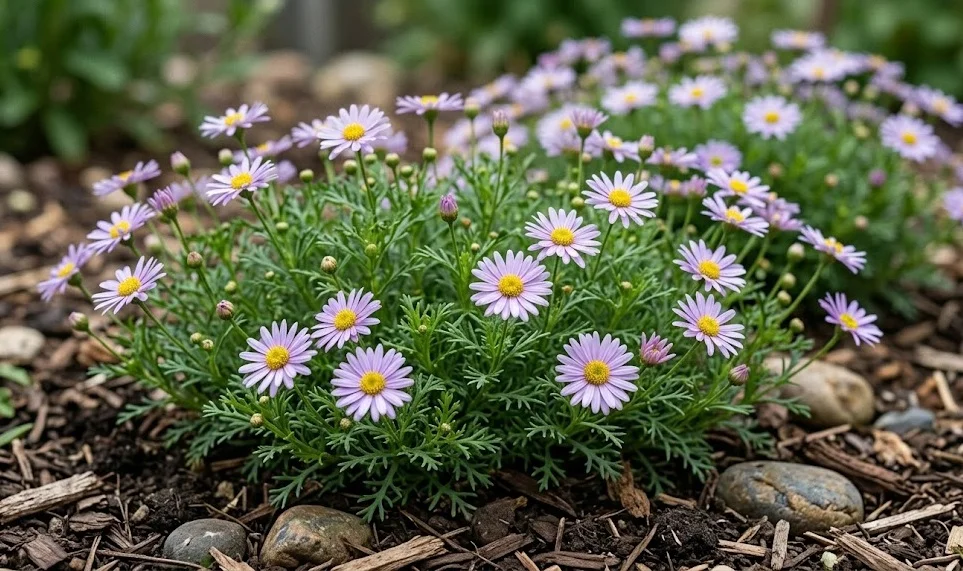

For the Australian daisy, light is the most important fuel for its biological machinery and the primary driver of its floral display. To achieve the dense, carpet-like growth and the sheer volume of blooms that characterize professional displays, full sun is an absolute requirement. This means the plant should ideally receive at least six to eight hours of direct, unfiltered sunlight every single day. In its native habitat, this species is accustomed to wide-open spaces and intense solar radiation, which has shaped its evolutionary needs.
When a plant receives adequate light, its stems grow strong and compact, creating the desirable mounded shape that gardeners love. The energy produced through photosynthesis is directed toward producing a continuous succession of flower buds throughout the season. Without this energy, the plant becomes “leggy,” with long, weak stems reaching out in a desperate attempt to find more light. This not only ruins the aesthetic appeal but also makes the plant more vulnerable to physical damage from wind or rain.
In the garden, positioning these daisies at the front of borders or in unshaded containers ensures they are not blocked by larger neighbors. It is important to consider how the shadows in your garden shift as the season progresses and the sun moves lower in the sky. A spot that is perfectly sunny in June might be in deep shade by September, which will significantly impact the plant’s late-season performance. Professional landscape planning always accounts for these seasonal changes to maintain a consistent display of color.
For those with less-than-ideal light conditions, choosing the sunniest possible microclimate is the key to success. South-facing slopes or areas near reflective surfaces like white walls can provide a bit of extra light intensity. While the Australian daisy is a tough plant, it will never reach its full professional potential in a shady or north-facing location. Understanding and respecting these light requirements is the first step toward a truly spectacular garden feature.
Benefits of afternoon shade in hot climates
While the Australian daisy craves sunlight, there is a fine line between “enough” and “too much” in regions with extreme summer heat. In areas where afternoon temperatures regularly soar above thirty-five degrees Celsius, providing some light dappled shade during the hottest part of the day can be beneficial. This prevents the plant from becoming heat-stressed and helps to preserve the color and longevity of the individual flowers. The goal is to provide high-intensity light without the punishing heat that often accompanies it in mid-summer.
More articles on this topic
Professional growers often use shade cloth or strategically placed taller plants to filter the harshest rays of the afternoon sun. This creates a more stable environment that allows the daisy to continue its metabolic processes without entering a survival mode. If the plant is in a container, moving it to a slightly more protected spot during a heatwave is a simple but effective intervention. Observation is key; if the flowers are fading quickly or the foliage looks scorched, it is a sign that a bit of relief is needed.
Even with afternoon shade, the total amount of light received throughout the day must still meet the plant’s minimum requirements. A location that only gets morning sun for a few hours will still result in a sub-optimal display of flowers. The ideal situation is a spot that is bathed in bright light for most of the day but is shielded from the direct, burning impact of the sun at its zenith. This nuanced approach to light management is what separates a good gardener from a great one.
Watering routines must also be adjusted in accordance with the light intensity the plant is receiving. High light levels and high temperatures lead to rapid transpiration, meaning the plant loses water through its leaves at a much faster rate. Ensuring that the soil remains consistently moist during these high-light periods is essential to prevent wilting and heat damage. The interaction between light, heat, and water is a complex system that requires constant monitoring and adjustment.
Impact of light on flower color and timing
The intensity of the light has a direct and measurable effect on the pigmentation of the Australian daisy’s flowers. In bright, clear sunlight, the blues, purples, and pinks of the various cultivars appear much more vivid and saturated. Conversely, in lower light conditions, the colors can look washed out or may even shift slightly in tone. For a professional-looking garden where color coordination is important, maintaining high light levels is essential for visual consistency.
More articles on this topic
Light also acts as the primary signal for the plant to begin and end its various growth phases throughout the year. The lengthening days of spring trigger the production of the first flower buds, signaling the start of the productive season. As the days begin to shorten in late summer and autumn, the plant naturally starts to slow its flower production in preparation for the cooler months. This phenomenon, known as photoperiodism, is deeply ingrained in the plant’s genetic code and cannot be easily overridden by other care factors.
If you are growing daisies in a greenhouse or indoors, supplemental lighting may be necessary to mimic the intensity of the sun. Professional-grade grow lights can provide the specific spectrum of light needed to keep the plants compact and blooming even when the natural light is insufficient. This is a common technique used by commercial growers to ensure that plants are in peak condition when they are sent to market. For the home gardener, it is a way to get a head start on the season or to maintain a favorite plant over the winter.
Finally, it is worth noting that different cultivars may have slightly different light sensitivities based on their specific breeding. Some newer varieties have been selected for their ability to handle slightly lower light levels, though they still prefer the sun. Researching the specific characteristics of the variety you have chosen will help you to provide the best possible environment. A well-lit Australian daisy is a happy, healthy, and incredibly beautiful addition to any horticultural collection.