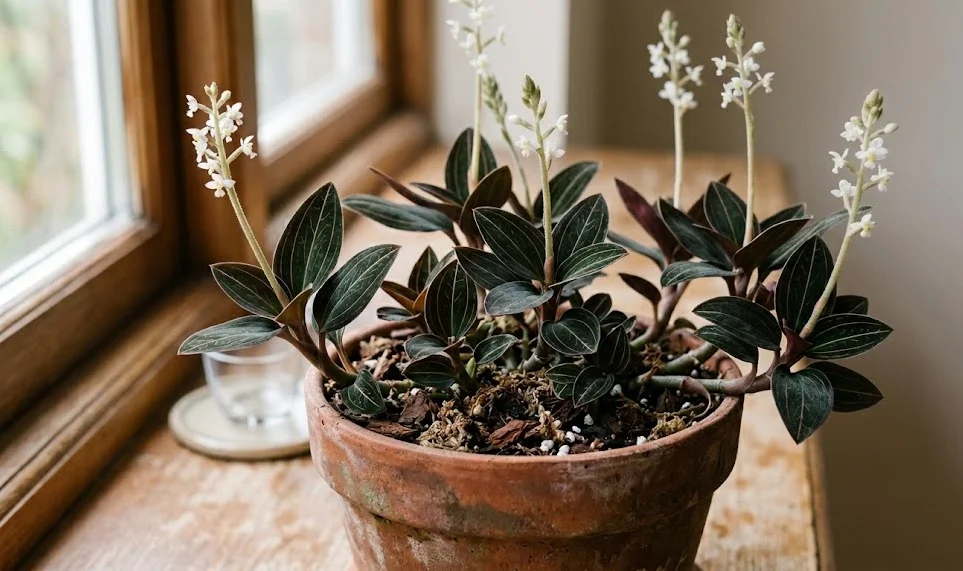

The black jewel orchid is renowned among enthusiasts for its ability to thrive in much lower light conditions than almost any other orchid species. In its natural habitat, it lives on the deeply shaded floor of tropical rainforests, sheltered by a dense canopy of tall trees and lush vegetation. This adaptation makes it an ideal candidate for indoor cultivation in rooms that might be too dark for more light-hungry plants. Understanding how to provide the right quality and quantity of light is essential for maintaining the deep, velvety color of its spectacular foliage.
Unlike many flowering orchids that require bright, filtered sunlight to produce blooms, this species can suffer significantly if exposed to direct rays. The dark pigments in the leaves are designed to capture every available photon in a dim environment, making them highly sensitive to light stress. If the light is too intense, the leaves will quickly lose their rich maroon hue and may even develop permanent burn marks. Finding a spot with “bright indirect light” or even “moderate shade” is the goal for any serious grower of this terrestrial gem.
An ideal location in a home is often a north-facing window, which provides a consistent but gentle light throughout the day without the risk of scorching. East-facing windows can also work well, provided the plant is shielded from the early morning sun by a sheer curtain or other plants. You will find that the plant is remarkably expressive about its lighting needs, with the leaves acting as a living barometer for the environment. Observing these subtle changes allows you to fine-tune the plant’s position for maximum health and beauty.
In rooms with very little natural light, the black jewel orchid can still flourish if it is placed near a modest artificial light source. It is one of the few orchids that truly enjoys the ambient light of a standard living room, provided the overall environment is humid and warm. However, it is important to remember that “low light” does not mean “no light,” and the plant still needs a clear day-night cycle to function. Balancing the need for shade with the requirements of photosynthesis is the secret to a long-lived and vibrant specimen.
Identifying the effects of excessive light exposure
One of the first signs that your black jewel orchid is receiving too much light is a noticeable fading of the leaf color. The deep, velvety maroon may begin to turn a pale, washed-out green or even a yellowish-tan as the plant tries to protect itself. This loss of pigment is a defensive response, but it also detracts from the plant’s primary aesthetic appeal. If you notice this happening, move the plant to a deeper shade immediately to prevent further degradation of the foliage.
More articles on this topic
If the light intensity remains too high, the leaves can develop actual sunburn, which appears as bleached or brown, papery patches on the surface. These marks are permanent and will not heal, though the plant will eventually grow new leaves to replace them if conditions improve. Sunburn often happens quickly, sometimes in just a few hours if a plant is left in a patch of direct afternoon sun. Protecting the plant during the peak hours of the day is critical, especially during the summer months when the sun is at its strongest.
High light levels can also lead to the leaves becoming smaller and the growth habit becoming more stunted and compact. While a compact plant might seem desirable, it often indicates that the orchid is under stress and cannot expand its tissues properly. The velvety texture may also become less pronounced, as the plant develops a thicker cuticle to deal with the increased radiation. A happy jewel orchid should have large, soft, and richly colored leaves that feel almost like fabric to the touch.
Finally, excessive light can cause the substrate to dry out too quickly, leading to a cycle of dehydration and stress for the terrestrial roots. The combination of high heat and bright light is particularly dangerous, as the plant cannot transpire fast enough to cool itself down. If you see the leaf edges curling or the stems drooping in a bright spot, it is a clear cry for more shade and more moisture. Moving the plant just a meter or two away from the light source can often resolve these issues and restore the plant’s vigor.
Optimizing growth with artificial lighting solutions
For growers living in dark apartments or in northern climates with long winters, artificial lighting can be a game-changer for jewel orchid care. Because these plants have such low light requirements, you don’t need expensive, high-intensity discharge lamps to keep them happy. Simple LED shop lights or specialized “soft white” grow bulbs placed thirty to fifty centimeters above the plant are usually more than sufficient. This allows you to grow these beautiful orchids in basements, offices, or interior rooms that lack windows entirely.
More articles on this topic
When using artificial lights, it is important to maintain a consistent day length of about ten to twelve hours to mimic a tropical environment. Using a simple plug-in timer can automate this process, ensuring the plant gets the rest it needs during the dark hours. You should avoid leaving the lights on for twenty-four hours, as this can disrupt the plant’s internal clock and lead to long-term health issues. A regular cycle of light and dark is essential for the plant to process the energy it has captured during the day.
The “coolness” of LED lights is a significant advantage, as they do not emit much heat that could dry out the delicate foliage. If you use older fluorescent or incandescent bulbs, be very careful about the distance between the bulb and the plant to avoid heat damage. You can test the heat level by placing your hand at the leaf level; if you can feel the warmth from the light, it is likely too close. Modern LEDs provide the perfect spectrum for foliage growth without the risk of cooking your prized specimen.
One creative way to use artificial light is to incorporate it into a terrarium or a display case where the jewel orchid can sit alongside other shade-loving species. The light can be mounted to the top of the enclosure, creating a beautiful glowing effect that highlights the shimmering veins of the leaves. This setup also helps maintain the high humidity the plant needs, creating a perfect microclimate for year-round success. Artificial lighting gives you total control over one of the most important variables in orchid cultivation.