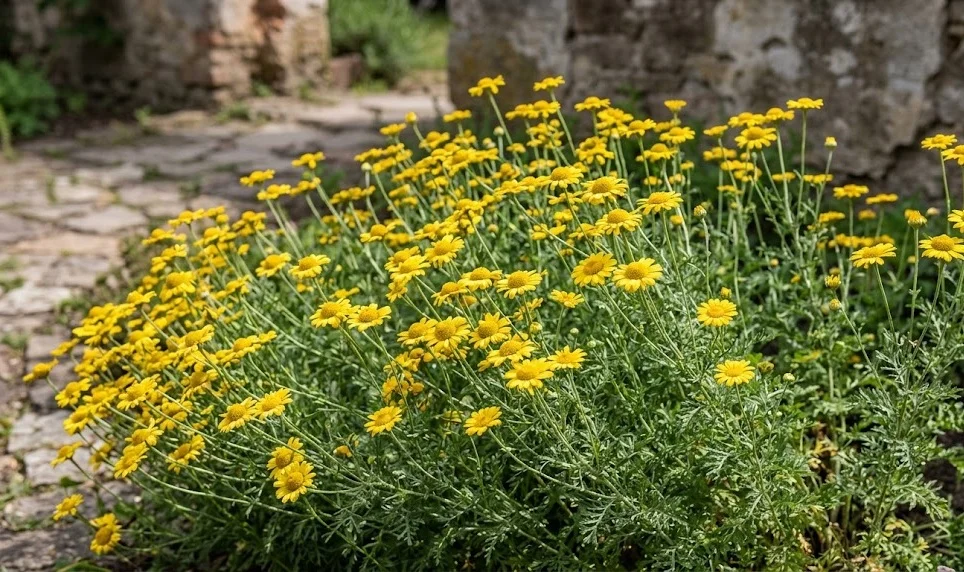

Overwintering golden marguerite successfully is a task that begins long before the first frost settles on the garden soil. This perennial is generally hardy in temperate climates, but its survival often depends on how well the roots are protected from extreme cold and moisture. You should start preparing the plant in late autumn by gradually reducing any supplemental watering as the temperatures begin to drop. This transition signals to the plant that it is time to enter its dormant phase and conserve its internal energy.
The health of the plant during the winter months is directly related to the conditions it experienced during the summer growing season. A plant that was well-watered and kept free of pests will have the energy reserves necessary to survive a long period of dormancy. You should avoid any late-season fertilization, as this can stimulate tender new growth that is easily killed by freezing temperatures. The goal is to let the plant harden off naturally as the days shorten and the air becomes crisper.
Once the foliage has turned brown and withered following a few hard frosts, you can perform the final cleanup for the year. Most professional gardeners recommend cutting the stems back to about three or four inches above the ground level. This removes the old material that could harbor diseases or pests while leaving a visible marker for the plant’s location. Leaving some stubble also provides a small amount of protection for the central crown of the plant against the elements.
In regions with particularly harsh winters, a layer of mulch can provide an essential thermal blanket for the root system. You can use straw, shredded leaves, or evergreen boughs to cover the area around the base of the plant once the ground has frozen. This mulch helps prevent the cycle of freezing and thawing, which can push the plant out of the soil—a process known as frost heaving. Protecting the roots in this way ensures that the golden marguerite is ready to sprout again in the spring.
Managing winter moisture
Excessive moisture is often a greater threat to the golden marguerite during winter than the cold temperatures themselves. Because the plant is dormant and not actively taking up water, damp soil can quickly lead to the decay of the roots and crown. You must ensure that the planting site does not become a collection point for melting snow or heavy winter rains. If your garden is prone to standing water, you may need to reconsider the placement of these drainage-sensitive perennials.
More articles on this topic
Improving the soil structure with grit or sand before the onset of winter is a proactive way to manage potential moisture issues. You can also gently mound the soil around the base of the plant to encourage water to run off away from the center. Avoid using heavy, moisture-retentive mulches like thick wood chips directly against the stems during the wettest months of the year. A breathable mulch like straw is often a much better choice for maintaining the right balance of moisture and air.
Snow can actually act as a very effective natural insulator for your garden plants, protecting them from the drying effects of winter winds. However, heavy, wet snow should be gently brushed off the crowns if it begins to accumulate too deeply and compress the soil. You should be careful not to damage the dormant buds when removing snow or ice from the area around the plant. Let nature do its work when possible, but intervene if the conditions become extreme enough to cause physical damage.
If you are growing golden marguerite in containers, the risk of the root ball freezing solid is much higher than in the open ground. You should move the pots to a sheltered location, such as a cold frame, an unheated garage, or against a south-facing wall. Wrapping the containers in burlap or bubble wrap can provide additional insulation for the sensitive roots of the potted specimens. Checking the moisture levels of container plants is still necessary, as they should not be allowed to dry out completely during the winter.
Dealing with winter pests and wind
Winter winds can be surprisingly dehydrating for the dormant stems and roots of your garden perennials. In exposed locations, the cold air can strip moisture from the plant tissues faster than it can be replaced from the frozen ground. You can create a simple windbreak using burlap or lattice to protect your most vulnerable plants from the prevailing winter gusts. This protection is especially important in flat, open landscapes where the wind can gain significant speed across the garden.
More articles on this topic
Small mammals like voles and rabbits can sometimes become a problem in the winter when their other food sources are scarce. They may gnaw on the dormant crowns or the bark of the remaining stems, causing significant damage that may not be visible until the spring. You can protect your golden marguerites by placing a small wire mesh cage around the base of the clump. Keeping the area free of tall grass and debris also reduces the hiding places for these hungry winter visitors.
Frost heaving is a physical threat that occurs when the soil expands and contracts during temperature fluctuations. This can lift the plant right out of the ground, exposing the delicate roots to the drying air and freezing cold. If you notice a plant has been pushed up, you should gently press it back into the soil as soon as the ground thaws. Adding a fresh layer of mulch after repositioning the plant will help stabilize the soil temperature and prevent the problem from recurring.
Monitoring your garden during the winter months allows you to catch these issues before they result in the death of the plant. A quick walk-through after a major storm or a sudden temperature shift can reveal a lot about how your plants are coping. You don’t need to do much active work, but staying informed about the state of your garden is a year-round responsibility. These small observations are what ensure a high survival rate for all your favorite perennial species.
Signs of life in the spring
The return of warmer weather and longer days will eventually signal the golden marguerite to break its winter dormancy. You should look for tiny green shoots appearing at the base of the old stems as the soil temperature rises above fifty degrees Fahrenheit. This is the moment to remove the winter mulch gradually to allow the sun to warm the soil and reach the new growth. Be careful not to damage the tender young leaves, which can be quite fragile after their long winter sleep.
If you notice that a plant has not sprouted by late spring, it may have succumbed to winter kill or excessive moisture. You can gently scratch the base of the stems or check the roots to see if there is any firm, living tissue remaining. Sometimes a plant is just a “late sleeper” and needs a few more weeks of warmth to get started, so don’t give up too early. However, if the crown is mushy or the roots are black and brittle, it is likely time to replace the specimen.
Spring is also the ideal time to assess the overall shape and health of the clump after its winter ordeal. You can trim away any dead or damaged stems that were left over from the autumn cleanup to make room for new growth. This is also a great time to perform divisions if the plant has become too large or if the center looks unproductive. Starting the season with a tidy and healthy plant sets the stage for a spectacular summer flowering display.
Finally, remember that every winter is different and will present its own unique set of challenges for your garden. What worked one year may need adjustment the next, depending on the severity of the cold and the amount of precipitation. By staying flexible and attentive to the needs of your golden marguerites, you can ensure they return year after year. The joy of seeing those first green shoots in the spring is a wonderful reward for your careful winter stewardship.