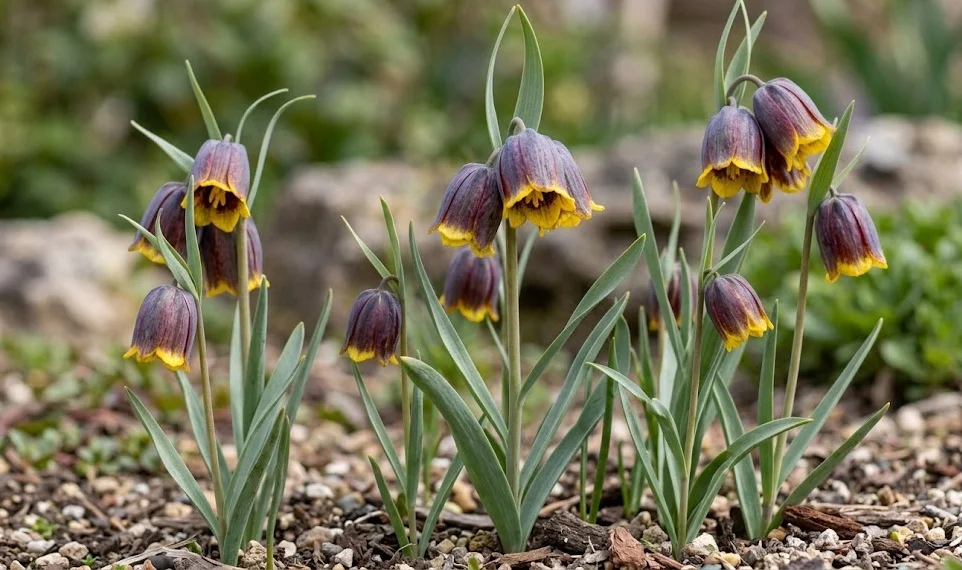

Proper pruning and cutting back are essential tasks for maintaining the health and appearance of the Assyrian fritillary throughout its life cycle. Unlike many garden shrubs, pruning for these bulbs is primarily focused on managing the senescence of the foliage and flowers. Incorrect timing or technique can significantly impact the plant’s ability to store energy for the following year’s growth. A professional approach to these simple tasks ensures that the bulbs remain strong and the garden stays tidy.
The goal of pruning in bulbous plants is to balance the need for a clean garden with the plant’s biological requirement for photosynthesis. Every leaf that is removed prematurely represents a loss of potential energy for the underground bulb. Therefore, patience is the most important tool when it comes to cutting back these spring-flowering perennials. Understanding the natural transition from active growth to dormancy is the key to successful maintenance.
Post-flowering foliage management
After the beautiful bell-shaped flowers have withered, the foliage of the Assyrian fritillary remains green for several weeks. During this period, the leaves are working hard to produce sugars that are transported down to the bulb for storage. It is vital that you do not cut back the leaves until they have turned completely yellow or brown and have lost their vigor. This process is the plant’s way of recharging its batteries for the next spring season.
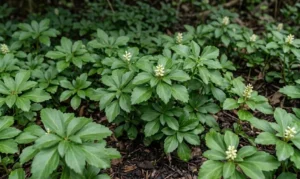
If the dying foliage looks untidy in your garden, consider planting “interplanting” companions that will grow over and hide the yellowing leaves. Perennials like hostas or hardy geraniums are excellent for this purpose as they leaf out just as the fritillary is finishing its cycle. Tying or braiding the leaves is a common practice but should be avoided as it reduces the surface area available for sunlight. Let the foliage die back naturally to ensure the long-term health and survival of the bulb colony.
Removing spent flower stalks
While the leaves should be left alone, the spent flower stalks can be removed once the blooms have faded and lost their aesthetic value. This practice, often called deadheading, prevents the plant from putting energy into seed production unless you intend to harvest them. By removing the developing seed pods, you encourage the plant to direct all its resources back into the bulb itself. Simply snip the stalk at its base using a clean pair of sharp garden shears or scissors.
More articles on this topic
Be careful not to damage the surrounding leaves when you are removing the old flower stems. If you wish to collect seeds for propagation, leave a few of the healthiest stalks in place until the pods turn brown and start to split. Otherwise, a clean and timely removal of the spent flowers keeps the plant looking its best and reduces the risk of fungal issues. This simple task is a quick way to maintain a professional look in the spring garden.
Final autumn cleanup
Once the foliage has completely withered and become brittle in the late summer or early autumn, it can be easily removed from the garden. The leaves should pull away from the bulb with a gentle tug, or they can be cut off at the soil level. Removing this dead material helps prevent pests and diseases from overwintering in the debris around the plant. It also leaves the ground clear for the application of autumn mulch or the planting of other seasonal flowers.
Avoid digging too deeply around the site during the cleanup to prevent accidental damage to the dormant bulbs. If you have moved or added mulch, ensure that the area is clearly marked so you know where the shoots will emerge in the spring. A clean autumn bed provides the perfect starting point for the next growing season and keeps the garden organized. This final step in the annual cycle of care ensures that the Assyrian fritillary is ready for another year of growth.