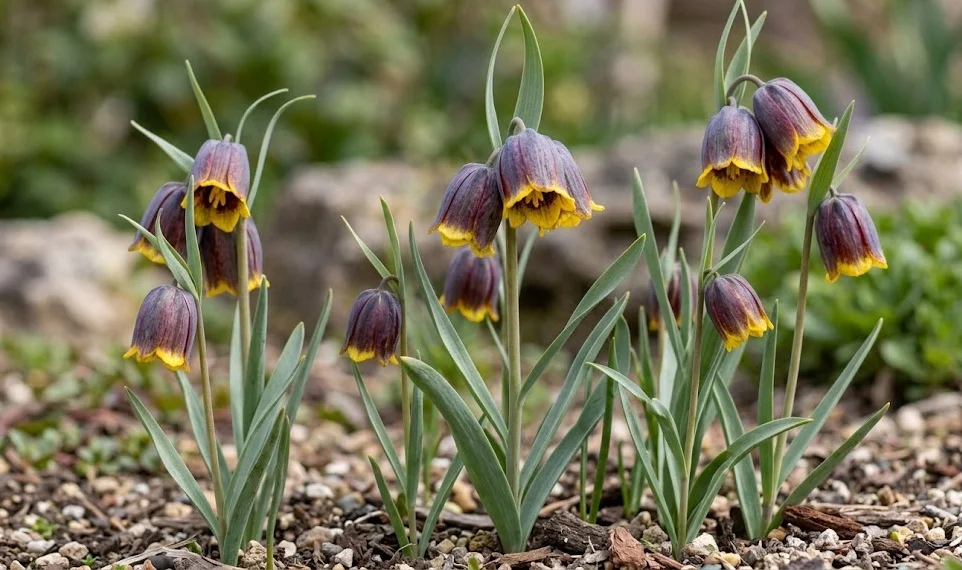

Protecting the Assyrian fritillary from biological threats is a vital part of professional garden management. While these plants are relatively hardy, they can fall victim to specific pathogens and insects if the conditions are not ideal. Prevention is always more effective than treatment when dealing with bulb-based perennials in a landscape setting. Identifying the early signs of distress can save an entire colony from being lost to disease or infestation.
Most health issues in these plants arise from environmental stresses that weaken their natural defenses. High humidity and poor air circulation often create the perfect conditions for fungal spores to thrive. Similarly, soil that stays wet for too long can attract underground pests that feed directly on the bulbs. A vigilant eye and a proactive maintenance schedule are the best tools for keeping these beautiful flowers healthy.
Fungal pathogens
The most common fungal threat to the Assyrian fritillary is gray mold, which often appears during cool, damp spring weather. It typically manifests as fuzzy, grayish spots on the leaves or the delicate petals of the flowers. If left unchecked, the mold can quickly spread and cause the entire plant to collapse prematurely. Removing affected plant parts immediately and improving air circulation are the first steps in controlling this pathogen.
Another serious concern is bulb rot, which is usually caused by soil-borne fungi that attack the underground structures. This disease often goes unnoticed until the plant fails to emerge or shows severely stunted growth in the spring. If you suspect rot, carefully lift a bulb to check for soft, mushy spots or a foul odor. Affected bulbs should be discarded immediately and never placed in a compost pile where the fungus could survive.
Insect threats
The red lily beetle is a notorious pest that can cause significant damage to many members of the lily family, including fritillaries. Both the bright red adults and their larvae feed on the foliage, often leaving behind large, unsightly holes. These insects are most active in the spring and can quickly defoliate a small plant if they are not managed. Hand-picking the beetles is a simple and effective way to control small populations without using chemicals.
More articles on this topic
Aphids can also be a problem, particularly on the tender new growth and the developing flower buds. These small, sap-sucking insects can weaken the plant and may also act as vectors for various viral diseases. A strong stream of water from a garden hose can often dislodge them without harming the plant itself. In more severe cases, an application of insecticidal soap can help keep the population under control.
Preventive measures
The best way to prevent diseases is to ensure that the bulbs are planted in the right location from the start. Proper spacing between plants allows for adequate airflow, which keeps the foliage dry and less hospitable to fungi. Avoid planting the bulbs in areas where other members of the lily family have recently suffered from disease. Using clean, sterilized tools when dividing or pruning also prevents the accidental spread of pathogens between plants.
Improving the soil drainage is another critical preventive measure that protects the bulbs from rot and water mold. If your garden has heavy soil, consider building raised beds or adding plenty of grit to the planting holes. Mulching with a layer of clean gravel rather than organic bark can also help keep the base of the plant dry. These structural adjustments create a more resilient environment that discourages the development of most common garden pests.
Organic treatments
When intervention is necessary, organic treatments offer a way to manage pests and diseases without harming beneficial insects. Neem oil is a versatile option that works as both a fungicide and an insecticide for various garden problems. It can be sprayed on the foliage to deter beetles and suppress the growth of fungal spores. Always test a small area of the plant first to ensure there is no adverse reaction to the treatment.
More articles on this topic
Using predatory insects like ladybugs can also help manage aphid populations in a natural and sustainable way. Encouraging a diverse ecosystem in the garden provides a balance where pests are kept in check by their natural enemies. For fungal issues, a simple spray made from baking soda and water can sometimes alter the pH of the leaf surface enough to stop spores from germinating. These gentle methods are often sufficient for maintaining the health of a well-established fritillary colony.
Monitoring bulb rot
Regularly checking the soil moisture levels around the bulbs is the most effective way to monitor for potential rot. During the dormant season, the soil should feel dry to the touch an inch below the surface. If the ground remains soggy for several weeks, it may be necessary to lift the bulbs and move them to a better location. Healthy bulbs should always feel firm and heavy, with no signs of discoloration or surface mold.
If a plant fails to flower or the foliage turns yellow prematurely, it is worth investigating the health of the bulb. Digging carefully around the base can reveal whether the roots are growing or if they have turned brown and brittle. Catching rot in its early stages allows you to save the healthy parts of a colony before the infection spreads. A professional approach to bulb health involves constant observation and a willingness to make adjustments as needed.