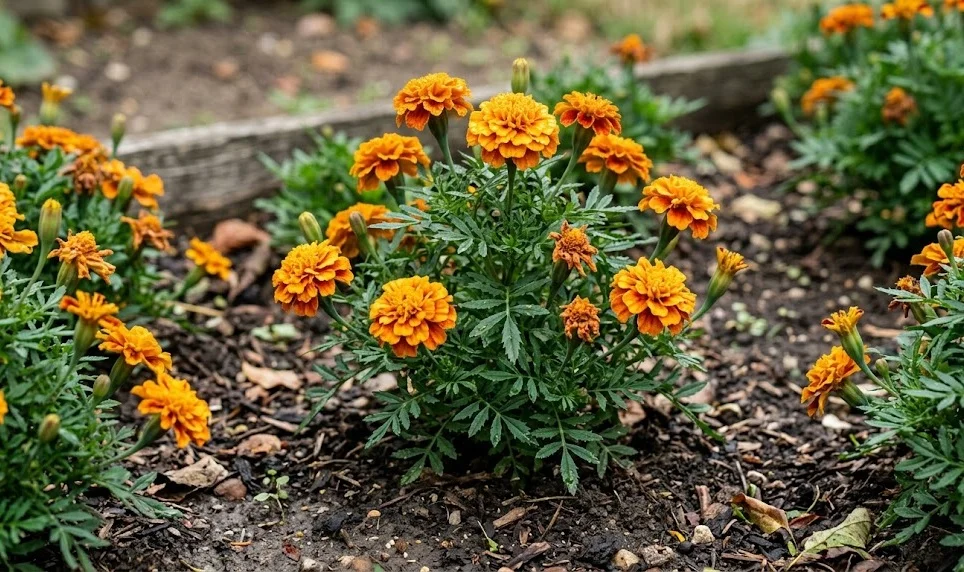

While these vibrant flowers are typically treated as summer annuals that fade with the first frost, there are professional techniques to preserve them through the colder months. Whether you wish to save a particularly beautiful specimen or simply want a head start on the following spring, understanding the mechanics of overwintering is a valuable skill. This process requires a shift in mindset from active growth to careful preservation, focusing on maintaining the health of the plant or its genetic material. By taking the right steps in the autumn, you can ensure that the legacy of your summer garden continues into the next season.
Preparing plants for the indoors
If you have a container-grown plant that you want to bring inside for the winter, the preparation must begin several weeks before the first frost. Start by inspecting the plant thoroughly for any signs of pests or disease that could spread to your other indoor plants. It is a good practice to wash the foliage with a gentle spray of water to remove any hidden insects or dust. Pruning back about a third of the growth helps to reduce the stress on the plant as it adjusts to the lower light levels of the indoors. This also makes the plant more manageable and encourages a more compact growth habit.
The transition from the bright, humid outdoors to the dry, dim interior of a home can be a major shock to any plant. To ease this process, move the pots to a shaded outdoor area for a few days before bringing them inside permanently. Once inside, place them in the brightest window possible, ideally one that faces south or west to maximize the winter sun. Avoid placing the plants near heat vents or drafty doors, as extreme temperature fluctuations can cause the leaves to drop. Monitoring the plant closely during the first few weeks will help you identify if any further adjustments are needed.
Watering requirements change significantly during the winter months when the plant is in a semi-dormant state. Because the light levels are lower and the temperature is cooler, the plant will use much less water than it did during the summer. Allow the top two inches of soil to dry out completely before providing a light watering, and never let the pot sit in standing water. Over-watering is the most common cause of failure for overwintered plants, leading to root rot and fungal issues. A professional touch involves being patient and letting the plant guide the watering schedule.
Fertilization should be stopped entirely during the winter, as the plant is not actively growing and cannot utilize the nutrients. Adding fertilizer during this time can lead to a buildup of salts in the soil that can damage the sensitive roots. Wait until the days begin to lengthen in late February or March before resuming a light feeding schedule. This period of rest is essential for the plant to conserve its energy for the vigorous growth of the coming spring. Respecting the natural dormancy of the plant is a hallmark of an experienced and thoughtful gardener.
More articles on this topic
Seed saving for spring
Saving seeds is the most traditional and reliable way to ensure that your favorite varieties return to the garden year after year. To collect high-quality seeds, allow the flower heads to remain on the plant until they are completely brown and dry. The petals should have fallen off, and the base of the flower, which contains the seeds, should feel firm and crisp. Choose the strongest and most beautiful plants for seed collection to ensure that the next generation inherits those desirable traits. Professional seed saving is an intentional act that improves the quality of your garden over time.
Once the seed heads are harvested, they should be spread out in a single layer in a warm, dry place to finish drying completely. This prevents any remaining moisture from causing mold or rot during storage, which would destroy the viability of the seeds. You can then gently break open the seed heads to release the long, dark, needle-like seeds from the chaff. It is important to label your seeds immediately with the variety and the date of collection to avoid any confusion in the spring. A well-organized seed collection is a treasure for any dedicated horticulturalist.
Storing seeds in the right environment is critical for maintaining their ability to germinate when the time comes to plant them. Use paper envelopes or glass jars, and store them in a cool, dark, and dry location like a basement or a dedicated seed fridge. Avoid plastic bags, which can trap moisture and lead to premature sprouting or rot. Adding a small packet of silica gel to the storage container can help to keep the humidity levels low. If stored properly, these seeds can remain viable for several years, providing a backup for your garden and plenty of extras to share with friends.
Testing the germination rate of your saved seeds in the late winter can help you plan your spring planting more effectively. Place ten seeds between two damp paper towels and keep them in a warm spot for a few days, checking them regularly for signs of life. If eight out of ten seeds sprout, you have an eighty percent germination rate, which is excellent for home-saved seeds. If the rate is lower, you simply know to sow the seeds more thickly in the spring to achieve the desired number of plants. This scientific approach to gardening ensures that there are no surprises when the growing season begins.
More articles on this topic
Managing the indoor environment
The air inside a typical home during the winter is often extremely dry due to the use of heating systems, which can be hard on plants. To increase the humidity around your overwintering specimens, you can place the pots on a tray filled with pebbles and water. As the water evaporates, it creates a small microclimate of moist air that helps the foliage stay healthy and green. Grouping several plants together also helps, as they naturally release moisture through their leaves in a process called transpiration. These simple professional tricks can make a huge difference in the survival rate of your indoor garden.
Light is often the most limiting factor for plants kept indoors during the dark winter months. If your windows do not provide enough natural light, you might consider using a small LED grow light to supplement the sun. Even a few extra hours of bright light each day can prevent the plants from becoming weak and leggy. Keep the lights on a timer to ensure a consistent schedule and avoid keeping them on for twenty-four hours, as plants still need a period of darkness. Providing high-quality light is the best way to keep your plants looking vibrant and healthy until they can go back outside.
Regularly cleaning the leaves of your indoor plants is an important maintenance task that is often overlooked. Dust can build up on the foliage, blocking the stomata and reducing the plant’s ability to photosynthesize and breathe. Use a soft, damp cloth to gently wipe the surfaces of the leaves every few weeks to keep them clean and shiny. This is also a great time to check for any returning pests that might have survived the initial transition indoors. A clean plant is a healthy plant, and a little bit of grooming goes a long way in an indoor setting.
As spring approaches and the light levels begin to rise, you may notice new growth appearing on your overwintered plants. This is the signal to start increasing the amount of water you provide and to begin a light fertilization routine. You can also prune back any dead or weak stems to encourage a flush of fresh, healthy growth from the base. This “wake-up” period is an exciting time for the gardener, as it marks the beginning of a new cycle of growth. With proper care, your overwintered plants will be ready to return to the garden with more strength and beauty than ever before.
Transitioning back to the garden
The return to the outdoors is a delicate process that must be managed with as much care as the initial move indoors. Wait until the danger of frost has completely passed and the nighttime temperatures are consistently above ten degrees Celsius. Just like the seedlings started in the spring, these mature plants need a period of hardening off to adjust to the wind and direct sun. Start with a few hours in a sheltered, shady spot and gradually increase the exposure over a week or ten days. This slow transition prevents the leaves from being scorched by the intense UV rays of the spring sun.
Before replanting, it is a good idea to refresh the soil in your garden beds or containers with some fresh compost. This provides a clean, nutrient-rich environment for the plants to establish their roots for the new season. If the plants have become root-bound in their winter pots, gently loosen the root ball before placing them in the ground. Water them thoroughly after planting to help settle the soil and eliminate any air pockets around the roots. Adding a layer of mulch will once again help to regulate the temperature and moisture as the plants settle into their summer home.
Monitoring the plants closely during their first few weeks back in the garden is essential for a successful transition. They may be more susceptible to pests and diseases after spending the winter indoors, so be ready to intervene if any problems appear. Providing some temporary shade during the hottest part of the day can help if you notice any wilting or stress. As the plants adjust, you will see them begin to grow rapidly and produce the first buds of the new season. The sight of these familiar friends returning to the garden is a rewarding result of your hard work and professional care.
Reflecting on the success of your overwintering efforts allows you to refine your techniques for the following year. Perhaps you found that one variety handled the indoor conditions better than another, or that a specific window was the perfect spot. Keeping notes on what worked and what didn’t will help you become a more effective and confident gardener over time. Overwintering is not just about saving money on new plants; it is about building a deeper connection with the natural world and the cycles of the seasons. It is a professional practice that enriches the gardening experience for anyone who takes the time to master it.