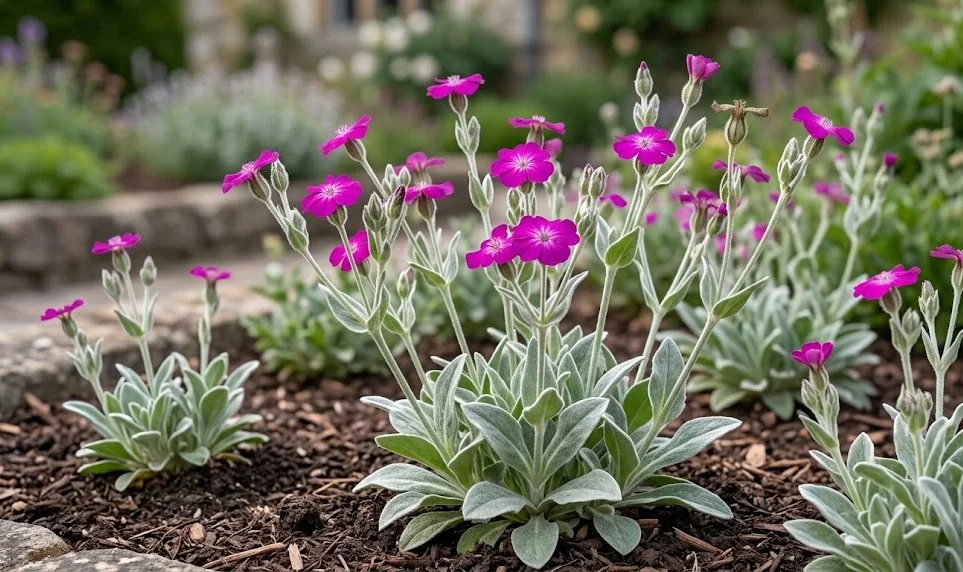

Rose campion is a remarkably hardy perennial that can withstand very low temperatures, but a little bit of preparation will ensure it returns with vigor in the spring. As the days grow shorter and the first frosts arrive, the plant naturally begins to slow its growth and prepare for dormancy. You should focus on keeping the area around the base clean to prevent moisture from being trapped against the silver foliage during the damp winter months. While it doesn’t need much protection from the cold itself, managing the soil conditions is vital for its survival.
The silver rosettes of the plant often remain visible through much of the winter, providing a bit of structure in an otherwise dormant garden bed. You should avoid cutting these back completely in the autumn, as the leaves provide a natural layer of protection for the crown. If the foliage looks particularly tattered or diseased after a long summer, you can trim away the worst parts, but leave the healthy center intact. This approach helps the plant conserve its energy and protects the sensitive growing point from ice and snow.
Watering should be phased out as the plant enters dormancy, as the roots do not need much moisture when they are not actively growing. You only need to provide a drink if the ground is completely dry and there has been no significant precipitation for several weeks. Be careful not to overwater, as cold, wet soil is the primary enemy of rose campion during the winter months. A plant that goes into winter with “dry feet” is much more likely to survive and thrive when the weather warms up again.
If you live in an area with particularly harsh winters or very heavy snowfall, you might worry about the weight of the snow crushing the plants. Generally, the silver foliage is quite resilient and will bounce back once the snow melts away. However, you should avoid piling extra snow from paths or driveways onto your flower beds where these perennials are growing. Letting nature take its course is usually the best strategy for these tough and adaptable garden residents.
Protecting the root system and crown
The most important part of the plant to protect during the winter is the crown, which is located right at the soil surface where the stems emerge. You can apply a light, airy mulch like evergreen boughs or straw around the base of the plant to provide some insulation against temperature fluctuations. Avoid using heavy, matting materials like wet leaves, as these can suffocate the plant and encourage rot in the damp winter air. This light covering helps prevent the soil from freezing and thawing repeatedly, which can push the plants out of the ground.
More articles on this topic
Soil “heaving” is a common problem in late winter when the ground alternate between freezing at night and thawing during the day. This movement can expose the roots of your rose campion to the cold air and drying winds, which can be fatal for the plant. If you notice any plants that have been pushed up, gently firm them back into the soil with your hands on a day when the ground is not frozen. Keeping a close eye on your garden during these transitional periods can save many of your favorite perennials.
Good drainage remains the most critical factor for winter survival, so ensure that your garden beds are not located in areas where water collects. If you have had issues with plants dying over the winter in the past, consider improving the soil with grit or gravel before the next planting season. You might even want to create a small “rain hat” using a piece of slate or a propped-up tile if a particularly valuable specimen is in a damp spot. These small adjustments can make a world of difference in a challenging climate.
For plants grown in containers, the roots are much more exposed to the cold than those planted in the ground. You should move your pots to a sheltered location, such as against a south-facing wall or into an unheated garage or shed, for the peak of winter. You can also wrap the pots in bubble wrap or burlap to provide an extra layer of insulation for the root ball. Check the moisture levels in your containers once a month to ensure they haven’t dried out completely, but keep them on the drier side.
Managing the silver foliage in winter
The unique texture of the silver leaves is a wonderful asset during the winter, often catching the frost and looking like delicate sculptures. You can enjoy this visual interest throughout the cold months without doing much work at all. Many gardeners find that the silver color looks particularly beautiful against the dark, bare branches of other shrubs or the brown seed heads of ornamental grasses. This year-round appeal is one of the reasons why this species has remained popular in professional landscape design for so long.
More articles on this topic
If you notice that the leaves are starting to look yellow or brown towards the end of winter, don’t worry too much, as this is often just natural aging. You can simply leave them alone until the new growth starts to appear in the spring, at which point the old leaves will be easy to remove. The silver hairs on the foliage actually help reflect some of the intense winter sun, preventing the leaves from drying out too quickly on bright, cold days. It is a fascinating example of how plants have evolved to handle their specific environmental challenges.
Avoid walking on the soil near your plants during the winter, especially when the ground is wet or thawing. This can compact the soil and damage the delicate root systems that are already under stress from the cold. If you need to access your garden beds, use stepping stones or temporary boards to distribute your weight more evenly. Keeping the soil structure intact is a vital part of ensuring the long-term health and productivity of your entire garden.
In late winter, you might see the first signs of the new silver rosettes beginning to emerge from the center of the old plants. This is an exciting moment that signals the end of the dormant season and the beginning of a new cycle of growth. You can gently clear away any mulch or debris that might be covering these new shoots to give them plenty of light and air. Be careful not to damage the tender new growth as you perform this early spring cleanup in your flower beds.
Spring transition and recovery
As the temperatures begin to rise and the days get longer, your rose campion will start to wake up and grow more rapidly. This is the perfect time to give the plants a bit of attention to help them recover from the winter and prepare for the flowering season ahead. You should remove any dead or tattered foliage from the previous year using a pair of clean, sharp garden shears. This cleanup process not only makes the plant look better but also improves air circulation and reduces the risk of disease.
If you had applied any winter mulch for protection, now is the time to gradually thin it out as the soil warms up. You don’t want to remove it all at once if there is still a risk of a late hard frost, so a staged approach is often best. Check the base of the plant for any signs of new seedlings that might have sprouted from seeds dropped in the autumn. These young plants can be left where they are or moved to new locations once they are a bit larger and more robust.
The early spring is also a great time to evaluate the health of your plants and decide if any need to be replaced or divided. If a clump has become too large or the center looks a bit thin, you can lift and divide it as soon as the soil is workable. This rejuvenates the plant and gives you extra starts to fill in any gaps that might have appeared over the winter. Spring is a season of renewed energy in the garden, and taking these small steps will ensure your landscape looks its best.
By understanding the needs of your rose campion throughout the entire year, you can create a truly resilient and beautiful garden. Winter care might seem like a quiet time, but the foundation you lay during these months is what allows for the spectacular displays of summer. Enjoy the changing seasons and the unique beauty that each one brings to your outdoor space. With the right approach, your silver-leaved perennials will be a source of joy for many years to come.