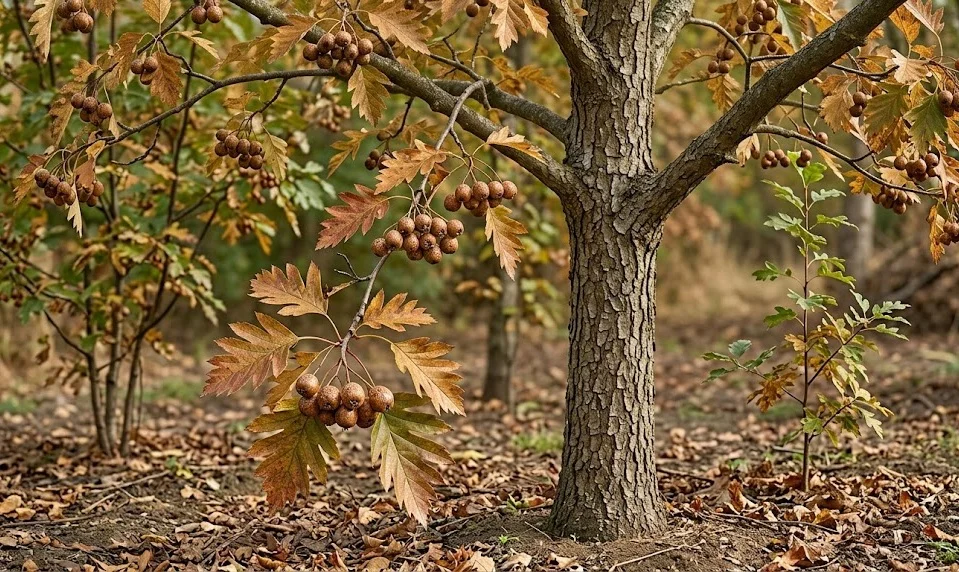

The winter months represent a period of profound rest for the wild service tree, but they also bring specific challenges that require careful management. While this species is native to many temperate regions of Europe and is naturally hardy, its survival can be threatened by extreme fluctuations in temperature and soil conditions. Professionals must prepare the tree long before the first frost to ensure it emerges in the spring with its energy reserves intact. Proper overwintering is not just about protection; it is about respecting the natural dormancy cycle that the tree requires for its long-term health.
Physiological preparation for dormancy
As the days shorten and temperatures drop in autumn, the wild service tree begins a complex internal process to prepare for the cold. It stops the production of chlorophyll, revealing the beautiful red and bronze pigments in the leaves before they eventually fall. During this transition, the tree moves vital nutrients and carbohydrates from its foliage into the permanent wood and root structures for winter storage. This internal migration of resources is what fuels the explosive growth that will occur the following spring.
Hardening off is the process by which the tree’s new growth becomes more resistant to freezing temperatures. This happens naturally as the cell walls thicken and the water content in the tissues is slightly reduced to prevent ice crystals from causing damage. Avoid applying high-nitrogen fertilizers late in the growing season, as this can stimulate soft, succulent growth that will not have time to harden properly. A professional approach involves encouraging this natural transition through appropriate watering and nutrient management in late summer.
Root protection is arguably the most important aspect of overwintering, as the roots are generally less cold-hardy than the above-ground trunk and branches. While the ground provides some insulation, extreme or prolonged freezes can damage the delicate feeder roots near the surface. Applying a fresh layer of organic mulch in late autumn helps to stabilize soil temperatures and prevent the “heaving” of the ground that can happen during freeze-thaw cycles. This simple step provides a vital safety net for the tree during the harshest periods of the year.
The vascular system of the tree also undergoes changes to survive the winter without a functioning leaf canopy. Water transport slows to a minimum, and the tree relies on stored moisture within its tissues to prevent desiccation. It is important that the tree goes into the winter well-hydrated, especially if a dry autumn has occurred. A deep watering just before the ground freezes can provide the necessary moisture reserves that the tree will need until the spring thaw arrives.
More articles on this topic
Managing winter environmental stressors
One of the most significant threats to trees in the winter is “winter burn” or desiccation caused by cold, drying winds. When the ground is frozen, the roots cannot absorb water, but the branches and buds may still lose moisture to the air. In exposed locations, a temporary windbreak made of burlap or other breathable material can provide much-needed protection for young or vulnerable specimens. This barrier reduces the wind speed around the tree and helps maintain a slightly more humid microclimate around the buds.
Sunscald is another winter phenomenon that can cause permanent damage to the bark of young wild service trees. This occurs on bright winter days when the sun warms the bark on the south side of the tree, causing the cells to wake up from dormancy. When the sun sets and temperatures drop rapidly, those active cells are killed by the sudden freeze, leading to vertical cracks and lesions in the bark. Professional gardeners often use white tree wraps or guards to reflect the sunlight and keep the bark at a more consistent temperature.
Heavy snow and ice loads can pose a structural threat to the branches of the wild service tree, especially if the wood has not been properly pruned. While the wood of this species is naturally quite strong, the weight of a major ice storm can be enough to snap even large limbs. If snow accumulates on the branches, it should be gently brushed off with an upward motion to avoid putting more stress on the wood. Never attempt to break ice off the branches, as this almost always leads to more damage than the ice itself.
Wildlife damage is often more prevalent in the winter as food sources become scarce and animals like deer or rabbits target the bark and buds. Young trees are particularly at risk, as a single rabbit can girdle a sapling in a very short time. Installing sturdy wire cages or specialized plastic guards around the base of the tree is the most effective way to prevent this kind of physical injury. These guards should be checked periodically to ensure they are still in place and not rubbing against the trunk.
More articles on this topic
Post-winter assessment and spring awakening
As the soil begins to warm in late winter, the root system gradually increases its activity before the buds even begin to swell. This is the ideal time to perform a thorough inspection of the tree to identify any winter damage that may have occurred. Look for cracked bark, broken branches, or signs of animal gnawing that may need professional attention before the growing season starts. Identifying these issues early allows for corrective pruning while the tree is still dormant and the risk of infection is low.
The timing of the spring awakening can vary significantly depending on the local microclimate and the severity of the winter. The wild service tree is usually one of the later species to leaf out, which is a natural defense mechanism against late-spring frosts. If a sudden warm spell is followed by a hard freeze after the buds have started to open, the tree may lose its first flush of leaves. While a healthy tree will usually produce a second set of leaves, this process uses up valuable energy reserves and can slow down the year’s growth.
Nutrient availability in early spring is critical for supporting the rapid development of new foliage and flowers. As the ground thaws, the microbial life in the soil becomes active again, breaking down the mulch and organic matter applied in the autumn. A light application of balanced fertilizer in early spring can help replenish the nutrients that were used up during the winter and support the tree’s metabolic needs. This is also the best time to check the soil moisture levels and begin supplemental irrigation if the spring is unseasonably dry.
Cleaning up the area around the base of the tree as the snow melts helps prevent fungal issues from taking hold. Remove any debris or fallen branches that may have accumulated over the winter months to improve air circulation. Refreshing the mulch layer, if necessary, will help retain the spring moisture and prepare the tree for the coming heat of summer. This period of transition is a busy time for the professional gardener, but it sets the foundation for a successful and productive growing season.
Long-term resilience and climatic adaptation
Overwintering success is ultimately built on the tree’s overall health and vigor throughout the entire year. A tree that has been well-cared for in terms of watering, fertilization, and pest management will always have a higher survival rate during extreme winters. This is because a healthy tree has more stored carbohydrates and a stronger immune system to handle environmental stress. Professional management focuses on this year-round approach rather than just reacting to the cold when it arrives.
Understanding the specific climate zone and microclimate of the planting site is essential for choosing the right level of winter protection. In some areas, the wild service tree may require very little help, while in colder or more exposed regions, it may need significant intervention. Keeping records of how individual specimens handle different types of winters can provide valuable information for future planting decisions. This data-driven approach allows for a more efficient and effective use of resources in the garden or woodland.
Genetic diversity within a population of wild service trees can also contribute to overall winter resilience. Some individuals may naturally leaf out later or have bark that is more resistant to sunscald and frost cracking. When planting multiple trees, choosing saplings from different seed sources can help ensure that at least some of the trees will thrive even in unusual weather years. This strategy is common in professional forestry and large-scale landscape design to mitigate the risks associated with climate variability.
Ultimately, the wild service tree is a survivor that has adapted to European winters over thousands of years. While human intervention can help it through the most extreme conditions, its natural biology is designed for resilience. Observing how the tree interacts with its winter environment is a fascinating part of the horticultural experience. With a professional and thoughtful approach to overwintering, this remarkable species will continue to provide beauty and ecological value for many generations to come.