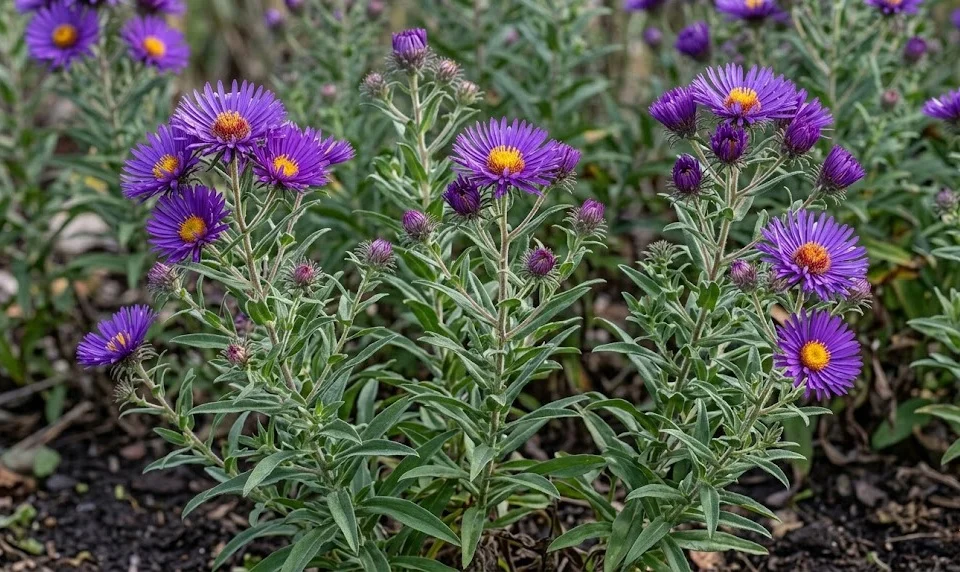

The New England aster is a true staple of the late-season garden, offering vibrant colors when many other perennials have already begun to fade into their winter dormancy. This hardy plant requires a specific approach to ensure it reaches its full potential and provides a stunning display throughout the autumn months. Experienced gardeners know that understanding the fundamental needs of this species is the first step toward a successful and low-maintenance landscape. By following a structured care routine, you can enjoy the lush foliage and dense floral clusters that define this beautiful perennial.
Establishing the foundation for growth
The initial stage of caring for this plant begins with understanding its natural habitat and growth habits. It is native to North American meadows, which means it thrives in open spaces with plenty of air circulation and moisture. You should aim to replicate these conditions by providing a spot where the plant is not crowded by overly aggressive neighbors. A well-established root system is essential for the plant to withstand the heat of summer and the cooling temperatures of late fall.
Consistent monitoring during the first year of growth will help the plant become resilient against environmental stressors. You must check the soil moisture regularly to ensure the roots do not dry out during critical developmental phases. If the plant appears to be struggling, it may be a sign that the location is too dry or the soil lacks necessary structure. Providing a stable environment early on sets the stage for years of reliable and beautiful blooms.
Soil quality plays a vital role in the overall health and vigor of the New England aster throughout its life cycle. It prefers a soil that is rich in organic matter but also possesses excellent drainage capabilities to prevent root rot. You can improve the soil structure by adding compost or well-rotted manure before the growing season begins in earnest. This organic addition not only provides nutrients but also helps the soil retain a balanced level of moisture.
Airflow is another critical factor that gardeners often overlook when planning the layout of their perennial borders. Because these plants can grow quite tall and dense, they are susceptible to fungal issues if the air cannot move freely between the stems. You should leave enough space between individual plants to allow for natural ventilation, especially during humid summer months. Proper spacing reduces the risk of diseases and ensures that every part of the plant receives adequate light.
More articles on this topic
Supporting tall growth and structure
As the season progresses, many varieties of this aster can reach heights of several feet, making structural support a necessity. Without proper intervention, the heavy flower heads can cause the stems to flop over, especially after a heavy rain or strong wind. You should consider installing stakes or cages early in the season before the plant reaches its full height. This proactive approach allows the foliage to grow around the support, making it nearly invisible by late summer.
Traditional bamboo stakes or metal hoops are effective tools for keeping these tall perennials upright and organized. You can tie the stems loosely to the supports using soft garden twine to avoid damaging the delicate vascular tissue of the plant. It is important to check these ties periodically to ensure they are not becoming too tight as the stems thicken. Well-supported plants look much neater in the garden and are less likely to suffer from broken branches.
Another method to manage the height and stability of the plant is through strategic pruning techniques earlier in the year. By pinching back the growing tips in late spring or early summer, you can encourage a bushier growth habit with shorter, sturdier stems. This technique, often called the Chelsea chop, results in a more compact plant that is naturally more resistant to leaning. While it may delay blooming by a week or two, the resulting display is often more robust and floriferous.
The aesthetic value of your garden depends on how well you manage the physical presence of these large-scale perennials. Grouping them with other sturdy plants can provide a natural form of support that looks more organic than mechanical stakes. For instance, planting them behind shorter, stiff-stemmed shrubs can create a tiered effect that holds the asters in place. Experimenting with different support strategies will help you find the best balance between function and visual appeal.
More articles on this topic
Soil health and organic matter management
The long-term vitality of the New England aster is closely tied to the biological activity within the soil. You should focus on maintaining a healthy ecosystem of beneficial microbes and fungi that help the plant absorb nutrients. Incorporating organic mulches like shredded leaves or wood chips can protect the soil surface while gradually breaking down into humus. This process ensures a slow-release supply of essential elements that the plant needs for its intensive blooming period.
Testing your soil every few years can provide valuable insights into its pH levels and nutrient deficiencies. These plants generally prefer a neutral to slightly acidic environment where minerals are most readily available for uptake. If your soil is too alkaline, you might notice yellowing leaves or stunted growth despite regular watering. Adding sulfur or peat moss can help adjust the pH to a more favorable range for these specific perennials.
Compaction is a common issue in garden beds that can significantly hinder the root development of your asters. You should avoid walking on the soil directly around the plants to keep the structure loose and aerated. If the soil becomes too hard, it restricts the movement of water and oxygen, which are vital for healthy root respiration. Using a garden fork to gently loosen the surface around the drip line can help alleviate minor compaction issues.
Seasonal top-dressing with high-quality compost is one of the best things you can do for your garden’s soil health. Each spring, apply a layer of compost around the base of the plants to replenish the nutrients used during the previous growing season. This practice mimics the natural leaf litter of a meadow and provides a continuous source of energy for the soil food web. Healthy soil leads to healthy plants that are better equipped to fight off pests and environmental challenges.
Routine maintenance and deadheading practices
Maintenance tasks throughout the summer are relatively simple but have a high impact on the final floral display. You should spend time removing any yellowing or diseased leaves from the bottom of the plant to maintain a clean appearance. This also helps improve light penetration and air circulation within the dense canopy of the aster. Keeping the area around the base of the plant free of weeds will reduce competition for water and nutrients.
Deadheading, or the removal of spent flowers, is a vital practice for extending the beauty of your New England asters. Once the initial flush of blooms begins to fade, cutting back the old flower heads can sometimes encourage a secondary, smaller bloom. Even if a second bloom does not occur, removing the dead flowers prevents the plant from putting energy into seed production. This allows the aster to focus its resources on strengthening its root system for the coming winter.
Preventing self-seeding is another reason why many gardeners choose to deadhead their plants diligently in the fall. While the seeds provide a food source for birds, they can also lead to an abundance of volunteer seedlings in unwanted areas. If you prefer a more controlled garden layout, removing the seed heads before they shatter is the most effective strategy. You can always leave a few stems intact in a back corner of the garden if you wish to support local wildlife.
The late-season appearance of your garden is greatly enhanced by the vibrant colors of a well-maintained aster patch. You should take note of which varieties perform the best in your specific microclimate and soil conditions. This information is invaluable when deciding whether to expand your collection or move plants to different locations. Consistent care and attention to detail will ensure that your asters remain the stars of your autumn landscape for years to come.
Monitoring growth patterns and plant vigor
Observing how your plants grow throughout the season can reveal a lot about their general health and satisfaction with their environment. You should look for signs of vigorous stem production and deep green foliage as indicators of a thriving aster. If the plant seems sluggish or the leaves are pale, it may be struggling with a lack of nitrogen or insufficient sunlight. Taking photos throughout the season can help you track these changes and compare growth from year to year.
The timing of the bloom is another important factor to monitor as it can vary based on local weather patterns. A particularly hot and dry summer might cause the plant to bloom earlier or shorter than usual. Conversely, a cool and moist season can extend the blooming period well into the first frosts of autumn. Understanding these variables allows you to adjust your care routine and manage your expectations for the season.
Root competition from nearby trees or large shrubs can sometimes limit the growth potential of your New England asters. You should ensure that the plants have enough space for their roots to expand without being strangled by more aggressive species. If you notice a decline in vigor over several years, it might be time to divide the plant and move it to a fresh location. This rejuvenation process is essential for maintaining the long-term health of large perennial clumps.
Keeping a garden journal is an excellent way to document the specific needs and behaviors of your plants. You can record the dates of the first and last blooms, as well as any interventions like fertilization or pruning. Over time, this data becomes a customized guide for managing your unique garden space effectively. It also helps you remember which techniques worked best during different types of growing seasons.
Enhancing flower production and color intensity
To achieve the most spectacular floral display, you should consider the timing of your nutrient applications carefully. A boost of phosphorus-rich fertilizer in late summer can help promote the development of more numerous and larger flower buds. You should avoid high-nitrogen fertilizers at this stage, as they might encourage excessive foliage growth at the expense of flowers. Finding the right balance of nutrients is key to producing the intense purples and pinks typical of this species.
Water management during the budding phase is also crucial for the quality of the final flowers. You should ensure the plant stays consistently hydrated as the buds are forming to prevent them from drying out or dropping prematurely. A sudden drought during this period can significantly reduce the impact of the autumn show. Consistent moisture levels help the plant maintain the turgor pressure necessary for opening its many complex blossoms.
The intensity of the flower color is often influenced by the temperature fluctuations between day and night in the fall. Cooler nights tend to enhance the pigments in the petals, making the colors appear more saturated and vibrant. You can enjoy this natural phenomenon by choosing varieties that are known for their deep, rich hues. Understanding how the environment affects the aesthetics of the plant adds another layer of appreciation to the gardening process.
Placement within the garden also affects how the flowers are perceived and how well they perform. Plants located in the brightest parts of the garden will typically produce the most flowers with the most consistent color. You should try to position your asters where they can be backlit by the low autumn sun for a truly magical effect. Careful planning and a bit of artistry can turn a simple plant into a stunning focal point.
Seasonal transitions and closing the cycle
As the blooming season winds down, the New England aster begins its transition into the dormant phase of its life cycle. You should continue to provide basic care until the foliage has completely died back after the first hard freezes. This period is when the plant moves its energy reserves from the stems down into the roots for winter storage. Rushing to cut the plant back too early can deprive the roots of this essential energy boost.
The transition from late fall to early winter is a time for reflection on the successes and challenges of the past year. You should assess which parts of your care routine were most effective and which could be improved for next season. Perhaps the staking was not strong enough, or the watering schedule needed more consistency during the July heat. Learning from each season makes you a more skilled and intuitive gardener over time.
Wildlife interactions during this transitional period are often a highlight for many nature-loving gardeners. The late-season nectar provided by the asters is a vital resource for migrating butterflies and bees preparing for winter. By providing these flowers, you are playing an active role in supporting the local ecosystem and biodiversity. This connection to the wider natural world is one of the most rewarding aspects of growing this specific perennial.
Finally, preparing for the next year begins even before the current one is officially over. You can start planning new combinations or locations for your asters based on your observations from the past few months. Whether you decide to add more varieties or simply refine your current maintenance plan, the cycle continues. The enduring nature of the New England aster ensures that it will be back to brighten your garden once again.