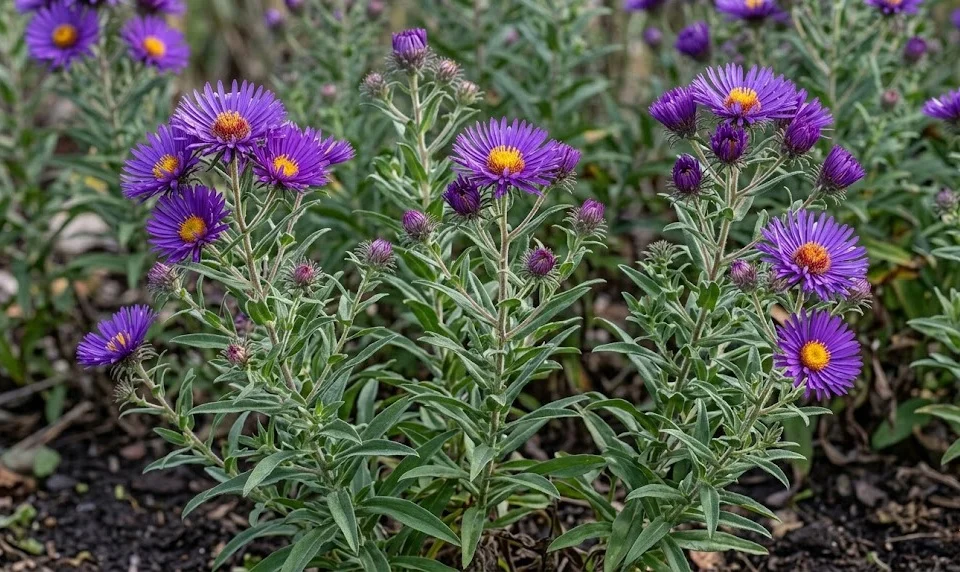

The success of a New England aster is directly tied to the quality and quantity of light it receives throughout the day. As a plant that originates from open meadows and sun-drenched prairies, its physiological processes are finely tuned to high light intensity. Understanding how light influences everything from stem strength to the brilliance of its flowers is essential for any gardener. This article explores the specific lighting needs of this species and how to manage them in various garden settings.
The importance of full sun for peak performance
To achieve the best results, you should aim to provide your New England asters with full sun, which typically means at least six to eight hours of direct sunlight daily. This intense light is what fuels the rapid growth of the stems and provides the energy needed for its prolific blooming period. In a sunny location, the plants will develop a sturdy, upright habit and dense foliage that acts as a beautiful backdrop for the flowers. Sunlight also helps keep the leaves dry, which is a major factor in preventing common fungal diseases.
When an aster receives enough light, the colors of its petals tend to be much more vibrant and saturated than those grown in less ideal conditions. You will notice that the purples, pinks, and blues appear deeper and more intense when viewed in the direct light of a late summer afternoon. The timing of the bloom is also more consistent when the light levels are high, ensuring that your garden hits its peak exactly when you expect it to. Full sun is the primary ingredient for the spectacular show these plants are known for.
The structural integrity of the plant is also heavily influenced by the amount of light it receives during its early growth phases. In full sun, the internodes—the spaces between the leaves—remain short, resulting in a more compact and self-supporting plant. This naturally sturdier form is less likely to flop over under the weight of its own blossoms or after a heavy rain. If you want to avoid the constant need for staking, finding the sunniest possible spot in your garden is the best strategy.
Phototropism, or the way a plant grows toward the light, is very active in this species, so uniform light exposure is beneficial. You should try to place your asters in a location where the light is not blocked from one side by buildings or large trees. If the light is uneven, the plant may begin to lean or grow lopsided as it reaches for the sun. A well-placed plant will grow evenly in all directions, creating a beautiful and balanced presence in your perennial border.
More articles on this topic
Challenges of low light and partial shade conditions
While the New England aster is a tough plant, it will often show signs of stress and dissatisfaction if it is grown in too much shade. You might notice that the stems become thin and weak as they stretch out in search of more light, a condition known as etiolation. These leggy plants are much more prone to falling over and will almost certainly require some form of mechanical support to keep them upright. Shade-grown asters also tend to have sparser foliage, which can give them a somewhat bedraggled appearance.
Another significant drawback of low light conditions is the reduction in flower production and overall blooming quality. You should expect fewer flower clusters and perhaps even smaller individual blossoms if the plant is not getting the energy it needs from the sun. The onset of blooming may also be delayed, which can be a disappointment if you were counting on those late-season colors. In some cases, a plant in deep shade may fail to bloom altogether, focusing all its limited energy on simple survival.
Fungal issues like powdery mildew are much more prevalent in shaded areas where the air is often cooler and more humid. You should be extra vigilant if you have asters in partial shade, as the leaves will take much longer to dry out after a rain or a heavy morning dew. This prolonged moisture creates the perfect environment for spores to germinate and spread across the foliage. If you must grow them in less than full sun, ensuring perfect air circulation becomes even more critical to their health.
If you find that your garden is naturally shady, you might need to adjust your expectations or choose specific cultivars that are known to be more shade-tolerant. While no New England aster will thrive in deep shade, some varieties are slightly more adaptable than others to filtered light. However, for the iconic “meadow” look, there is truly no substitute for direct, unfiltered sunlight. If your plants are struggling in the shade, the best solution is usually to move them to a brighter location.
More articles on this topic
Maximizing light exposure through garden design
You can use several design and maintenance strategies to help your asters get the most out of the available light in your garden. One effective technique is to plant them on the south or west side of your property, where they will receive the most intense afternoon sun. You should also consider the height of neighboring plants and ensure that taller species are placed behind the asters so they don’t cast long shadows over them. Proper placement within the “sun-map” of your garden can make a massive difference in plant performance.
Thinning out nearby trees or large shrubs is another way to increase the amount of light reaching your perennial beds. You don’t necessarily have to remove a tree to help your garden; sometimes, just removing a few lower branches can significantly increase the light intensity at ground level. This practice, known as “limbing up,” allows more light to filter through and reach the shorter plants underneath. It’s an excellent way to balance the need for shade-providing trees with the light requirements of sun-loving flowers.
Using reflective surfaces can also provide a small but helpful boost to the light levels in a particular corner of the garden. Light-colored fences, walls, or even light-colored mulches can reflect some additional sunlight back onto the plants. This is particularly useful in smaller urban gardens where space is limited and shadows from buildings are unavoidable. While it won’t replace direct sun, every little bit of extra light helps the plant photosynthesize more effectively.
Finally, remember to monitor the changing light patterns in your garden as the seasons progress from spring to autumn. A spot that is in full sun in June might be in partial shade by September as the sun’s path across the sky drops lower. Since New England asters bloom late in the season, you need to ensure they still have access to plenty of light even in the shorter days of the fall. Careful observation and a bit of strategic planning will ensure that your asters are always in the spotlight.