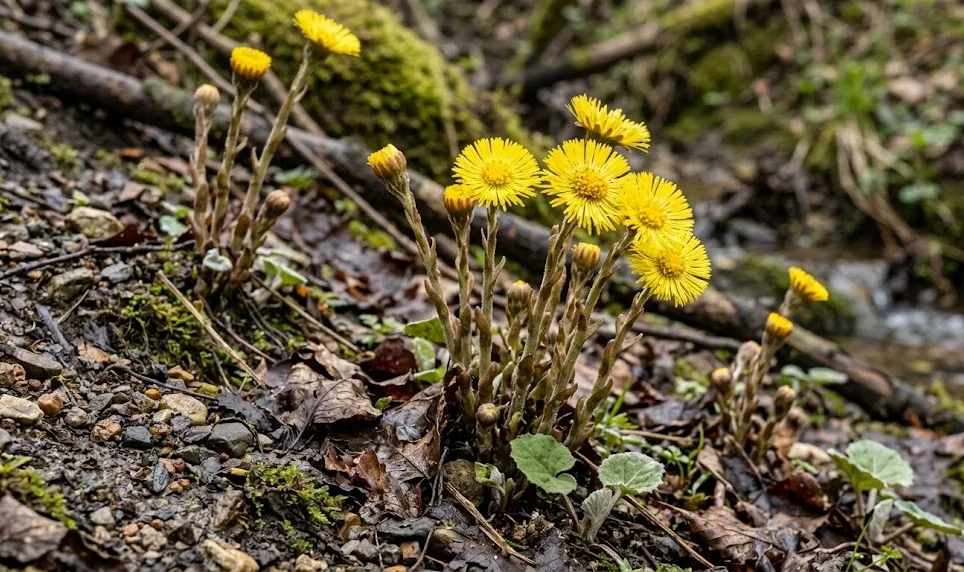

Mastering the balance of hydration and nutrition is essential for maintaining a high-quality stand of coltsfoot, particularly in professional or medicinal cultivation. While this plant is known for its ruggedness, its health and chemical potency are directly influenced by the availability of water and key soil nutrients. Proper watering ensures the large leaves remain functional throughout the heat of summer, while targeted fertilization supports the intense energy demand of early spring flowering. Understanding these requirements allows the grower to optimize growth and prevent the plant from becoming stressed by environmental extremes.
Hydration strategies for optimal growth
Coltsfoot is naturally adapted to damp environments, often found near moving water or in low-lying areas where the soil remains consistently moist. In a garden or agricultural setting, the goal is to replicate these conditions without creating stagnant, anaerobic soil. Regular monitoring of the soil moisture levels is necessary, especially during the peak growing months of June and July. If the top few centimeters of soil feel dry to the touch, it is time to provide a deep soaking that reaches the extensive rhizome network.
The timing of irrigation can significantly impact the health of the foliage and the overall water efficiency of the operation. Watering in the early morning is generally considered the best practice, as it allows the leaves to dry quickly and reduces the risk of fungal diseases. It also ensures that the plant has a full reservoir of moisture to draw upon as temperatures rise throughout the day. Avoid watering in the late evening if possible, as prolonged leaf wetness overnight can invite pathogens that thrive in cool, damp conditions.
Using a drip irrigation system or a soaker hose is often more effective for coltsfoot than overhead sprinklers. These methods deliver water directly to the base of the plant and the soil surface, minimizing evaporation and keeping the foliage dry. This is particularly beneficial for coltsfoot because its large, slightly fuzzy leaves can trap moisture, making them susceptible to mildew if they stay wet for too long. A controlled, direct delivery of water also helps in managing the spread of the plant by focusing moisture only on the desired areas.
During periods of extreme drought, coltsfoot may exhibit a survival mechanism where its large leaves wilt or even die back to protect the rhizomes. While the plant will likely recover once moisture returns, this stress can reduce the following year’s flowering potential. Providing supplemental water during these heatwaves keeps the plant in an active state of photosynthesis, allowing it to continue storing energy for the winter. Observing the turgidity of the leaves provides an immediate visual indicator of whether the current watering schedule is sufficient.
More articles on this topic
Soil nutrition and mineral requirements
Coltsfoot is not typically classified as a heavy feeder, but it does require a steady supply of essential minerals to maintain its vigor and medicinal properties. The plant thrives best in soils that are naturally rich in organic matter and have a stable nutrient profile. In many cases, the goal of fertilization is not to force rapid growth, but to ensure the plant has the building blocks it needs for its unique reproductive cycle. A well-nourished plant will produce more robust flower stalks and larger, healthier leaves that are better equipped to resist pests.
Nitrogen is a key component for leaf development, but it must be applied with caution to avoid excessive, soft growth that is attractive to aphids. In professional settings, a slow-release organic fertilizer is often preferred over high-analysis synthetic products. This provides a steady, manageable stream of nitrogen that supports steady development throughout the spring and summer. Organic sources like well-rotted manure or finished compost also improve the soil structure, which indirectly benefits the plant’s ability to access water.
Phosphorus and potassium are equally important, especially for the development of the rhizome system and the preparation for winter dormancy. Phosphorus supports healthy root expansion and the initiation of flower buds deep within the soil during the autumn. Potassium helps the plant regulate its water use and improves its overall hardiness against temperature fluctuations. Applying a balanced organic amendment in the late summer or early autumn ensures these nutrients are available when the plant is most focused on storage and future growth.
Micronutrients such as magnesium, calcium, and sulfur play subtle but vital roles in the plant’s physiological health. A deficiency in these elements can manifest as unusual leaf coloration or a general lack of vigor in the colony. Regular soil testing is the only way to accurately determine if these minerals are present in the correct proportions. If a deficiency is identified, targeted amendments or mineral-rich rock dusts can be incorporated into the soil to restore the natural balance.
More articles on this topic
Organic amendments and composting
Incorporating organic matter into the soil is one of the most effective ways to provide long-term nutrition for coltsfoot. Compost not only adds nutrients but also enhances the soil’s cation exchange capacity, which helps it hold onto minerals that might otherwise wash away. A layer of compost applied as a top-dressing in the spring or autumn will gradually break down and feed the rhizomes. This method mimics the natural accumulation of leaf litter that occurs in the plant’s wild habitats along forest edges and stream banks.
Using compost tea or liquid seaweed extracts can provide a quick nutritional boost during the active growing season. These liquids are rich in humic acids and trace elements that stimulate microbial activity in the soil and improve plant resilience. They can be applied as a soil drench around the base of the coltsfoot patch every few weeks during the summer. This gentle form of fertilization is highly effective for maintaining the health of the plants without the risk of nutrient burn associated with chemical salts.
Green manures and cover crops can also be used in the areas surrounding a coltsfoot colony to improve the overall soil health of the site. Species like clover can help fix nitrogen in the soil, which eventually becomes available to the coltsfoot as the clover roots break down. This ecological approach to fertilization creates a more diverse and stable soil environment that benefits all the plants in the area. It also helps in maintaining the moist, shaded soil conditions that coltsfoot prefers during the heat of the year.
The quality of the organic material used is just as important as the quantity, as poor-quality compost can introduce weed seeds or pathogens. Always ensure that any manure or compost used has been thoroughly aged and “cooked” to eliminate unwanted additions. If you are producing your own compost, monitoring the temperature of the pile ensures that it has reached the levels necessary to kill off persistent weed roots. Using clean, high-quality organic amendments is a hallmark of professional horticultural management.
Managing soil pH for nutrient availability
Soil pH has a profound effect on the availability of nutrients to coltsfoot, as it does for most perennial plants. This species generally performs best in neutral to slightly alkaline soils, typically with a pH range between 6.5 and 7.5. In soils that are too acidic, essential nutrients like phosphorus and magnesium can become chemically locked away, making them inaccessible to the plant. Conversely, excessively alkaline soils can lead to deficiencies in micronutrients like iron or manganese.
Regular pH testing should be a standard part of the maintenance routine for any serious coltsfoot grower. Simple home testing kits can provide a general idea, but sending a soil sample to a professional lab will yield much more detailed and accurate results. Based on these findings, you can make informed decisions about whether to add lime to raise the pH or sulfur to lower it. Making these adjustments gradually over one or two seasons is much safer for the plants than attempting a rapid chemical shift.
The presence of certain “indicator plants” in the area can also give you clues about the soil pH and nutrient status. If you see moss and sorrel flourishing nearby, it might indicate that the soil is becoming too acidic for coltsfoot to thrive at its best. On the other hand, a healthy population of wild clematis or other lime-loving species suggests that the pH is likely in a good range. These ecological observations complement the data from formal soil tests and help you build a more complete picture of the site’s health.
Watering practices can also influence soil pH over time, especially if the local water source is particularly “hard” or “soft.” Hard water often contains high levels of calcium carbonate, which can slowly raise the pH of the soil with repeated irrigation. If you notice a gradual shift in your soil test results, you may need to adjust your fertilization strategy to compensate. Being aware of these long-term trends allows you to maintain the perfect environment for your coltsfoot year after year.
Seasonal adjustments to care
The nutritional and hydration needs of coltsfoot change significantly as the plant moves through its annual cycle. In the very early spring, the plant relies mostly on stored energy in its rhizomes, so heavy watering or fertilizing is usually not necessary yet. As the flowers fade and the leaves begin to expand rapidly, the demand for both water and nitrogen increases sharply. This is the period when consistent moisture and a light application of fertilizer will have the greatest positive impact on the plant’s development.
During the height of summer, the primary focus shifts almost entirely to moisture management. The large surface area of the coltsfoot leaves leads to high rates of transpiration, meaning the plant can lose water very quickly on hot, windy days. Ensuring the soil remains damp during this time is more important than providing additional nutrients. If the plants are well-watered, they will continue to build up the energy reserves needed for a strong flowering performance the following year.
In the late summer and early autumn, the plant begins to slow down its above-ground growth and starts focusing on its root system. This is an excellent time to apply a balanced, low-nitrogen fertilizer that is rich in potassium and phosphorus. This supports the development of new rhizomes and ensures the plant is well-prepared for the upcoming winter. Reducing the amount of water as the plant enters dormancy helps prevent the rhizomes from sitting in cold, soggy soil, which can lead to rot.
Throughout the year, observing the plant’s response to your care will help you fine-tune the schedule for your specific location. Every site has its own unique microclimate and soil characteristics that will influence how coltsfoot interacts with water and nutrients. By staying attentive and making small adjustments based on the plant’s appearance and the prevailing weather, you can ensure a thriving and productive coltsfoot patch. Professional care is an ongoing process of observation, evaluation, and targeted intervention.