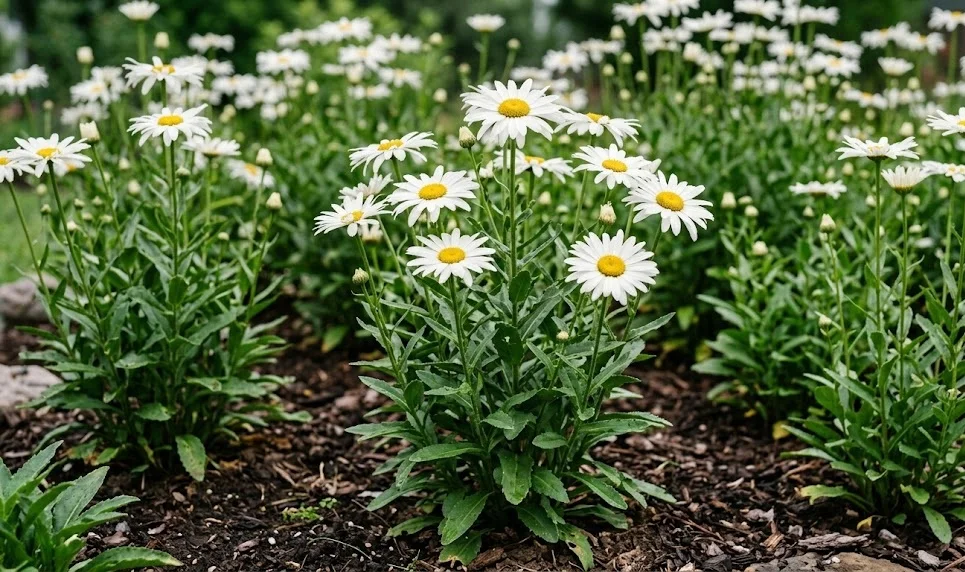

Establishing a new patch of these iconic flowers starts with a clear understanding of their reproductive cycles. You can choose to start your journey with seeds, cuttings, or by dividing established clumps from a friend’s garden. Each method has its own set of advantages and specific requirements that you must follow for success. Your garden will soon be filled with the cheerful presence of these classic perennials if you plant them correctly.
The timing of your planting activities is the most important variable you need to control for success. You should aim to get your plants in the ground when the soil is workable and the temperatures are mild. Early spring is generally considered the best window of opportunity for most temperate climates around the world. Your plants will have enough time to establish their roots before the intense heat of summer arrives.
Choosing a site that meets the specific physiological needs of the species is your next major task. You should look for an area that receives ample sunlight and has soil that does not stay wet for long periods. A location with good air movement will also help prevent many of the common issues associated with these plants. Your careful selection of the planting site will reduce the amount of maintenance required later.
Preparation of the soil is the final step before you actually place the plants or seeds into the earth. You should dig deeply to loosen the soil and incorporate organic matter to improve its overall structure. This creates a welcoming environment for young roots to spread out and find the nutrients they need. Your thoroughness in preparation will give your daisies the best possible start in their new home.
Selecting the right location
The success of your floral display depends heavily on the amount of light the location receives during the day. You should prioritize spots that get at least six to eight hours of direct sunlight for the best results. Without enough light, the stems will become weak and the flowers will be sparse and smaller than expected. Your goal is to maximize the energy the plant can capture through its green leaves.
More articles on this topic
Wind protection is another factor that you should consider when scouting for the perfect spot in your yard. You should avoid areas that are exposed to strong gusts that could snap the tall and somewhat brittle flower stems. Using a fence or a hedge as a natural windbreak can provide the shelter these plants need to stand tall. Your garden will look much more organized when the flowers are not leaning or broken.
Proximity to other plants in your landscape is a detail that requires careful thought and planning during the design phase. You should avoid planting your daisies too close to aggressive shrubs or trees that will compete for water. These perennials need their own space to spread their roots and expand their canopy without constant competition. Your arrangement should allow each individual plant to reach its full potential size.
Accessibility for maintenance is the final practical consideration you should keep in mind when choosing a site. You will need to reach the plants easily for watering, weeding, and the frequent task of deadheading spent blooms. Placing them at the front or middle of a border makes these chores much easier to perform on a regular basis. Your enjoyment of the gardening process will increase if the plants are easy to reach and manage.
Soil preparation and planting depth
Once you have selected the perfect site, you must focus on the physical and chemical properties of the ground. You should test the drainage by digging a small hole and filling it with water to see how fast it disappears. If the water stays for more than an hour, you will need to add sand or compost to improve the situation. Your plants will not survive for long in soil that mimics a swampy or stagnant environment.
More articles on this topic
The depth at which you place the plants into the ground is a critical factor for their long-term stability. You should ensure that the crown of the plant is level with the surrounding soil surface when you are finished. Planting them too deep can lead to crown rot, while planting too shallow can cause the roots to dry out. Your precision in this step will ensure a smooth transition from the nursery pot to the garden bed.
Spacing between individual plants is necessary to allow for future growth and to maintain adequate air circulation. You should leave about twelve to eighteen inches of space between each plant, depending on the specific variety you have. This prevents the plants from becoming a solid mass where diseases can spread easily through the dense foliage. Your garden will have a much cleaner look if each plant has its own clearly defined territory.
Finalizing the planting process involves firming the soil gently around the roots to eliminate any large air pockets. You should then water the area thoroughly to help the soil settle and provide immediate hydration to the roots. This initial watering is essential for reducing transplant shock and encouraging the plant to begin new growth. Your attention to these final details will guarantee a high survival rate for your new garden additions.
Division methods for established plants
Dividing older clumps is the most effective way to keep your plants vigorous and to expand your garden for free. You should plan to divide your daisies every three years to prevent the center of the clump from dying out. This process rejuvenates the plant by providing more space and fresh soil for the younger, more active outer sections. Your garden will remain young and productive through this simple act of horticultural renewal.
The best time to perform a division is either in the early spring or the cool weeks of early autumn. You should lift the entire root ball out of the ground using a sturdy garden fork or a sharp spade. Take care to minimize damage to the delicate root system as you work the plant out of the earth. Your goal is to keep as much of the root structure intact as possible for the new transplants.
Once the clump is out of the ground, you can use a sharp knife or your hands to pull it apart into smaller sections. Each new piece should have at least three or four healthy green shoots and a good portion of the root system. You should discard the woody or dead center of the original clump as it will not grow well. Your new divisions will be clones of the original plant and will carry all of its desirable characteristics.
Replanting the new divisions should happen as quickly as possible to prevent the roots from drying out in the air. You should follow the same soil preparation and spacing guidelines that you would for any new nursery-purchased plant. Water the new transplants immediately and keep a close eye on them for the first few weeks as they establish themselves. Your garden will soon double in size thanks to this easy and cost-effective propagation technique.
Growing from seeds and cuttings
Starting your flowers from seeds is an enjoyable way to watch the entire life cycle of the plant from the very beginning. You should start the seeds indoors about six to eight weeks before the last expected frost in your local area. Using a light seed-starting mix will provide the right environment for germination and early root development. Your patience will be rewarded when the first tiny green leaves emerge from the dark soil.
Once the seedlings have developed two sets of true leaves, they are ready to be moved into larger individual containers. You should gradually introduce them to outdoor conditions through a process called hardening off over several days. This prevents the shock of sudden exposure to direct sunlight and wind which could kill the tender young plants. Your careful transition will ensure that the seedlings are strong enough to survive in the permanent garden.
Taking stem cuttings is another alternative for those who want to produce more plants during the active growing season. You should select healthy, non-flowering shoots and cut them to a length of about four inches using sharp scissors. Removing the lower leaves and dipping the cut end into rooting hormone will significantly increase your chances of success. Your new cuttings will need a humid environment and indirect light until they have formed their own roots.
Both seeds and cuttings require consistent moisture levels and protection from extreme temperatures during their early stages of life. You should monitor their progress daily and adjust your care according to the growth you observe in the nursery tray. While these methods take more time than buying mature plants, they offer a sense of accomplishment that is unique to gardening. Your dedication to the art of propagation will allow you to create a massive floral display on a very small budget.