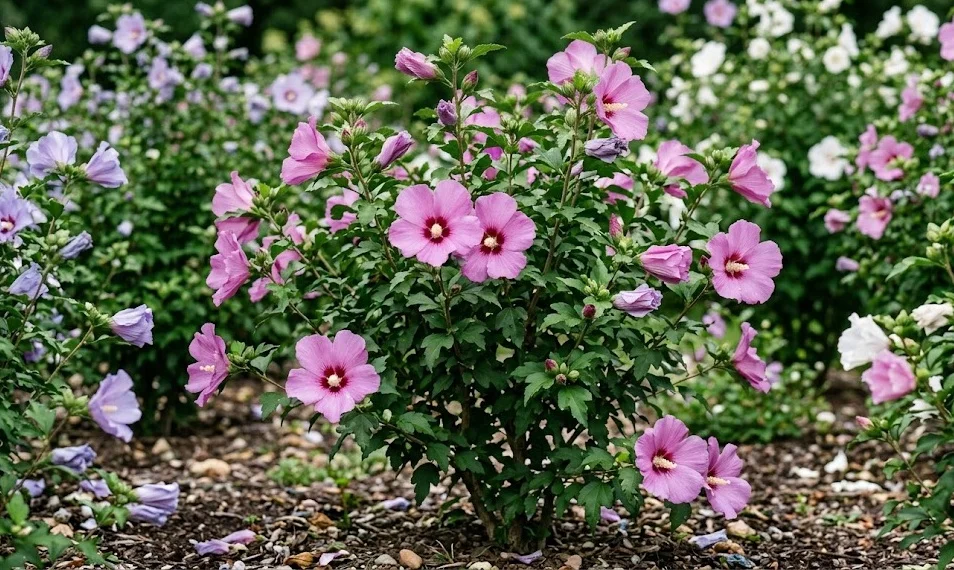

Illumination is the primary driver of the biological processes that allow your shrubs to produce their signature display of vibrant and numerous flowers. The rose of sharon is a sun-loving species that relies on intense light to fuel its rapid summer growth and the development of its large, trumpet-shaped blossoms. Understanding the nuances of light exposure is essential for any professional gardener who wants to maximize the aesthetic potential and overall health of these plants. A well-placed shrub in the correct lighting environment will always outperform one that is struggling in the shadows of its neighbors.
Optimal sun exposure for maximum blooming
For the best possible results, you should aim to provide your shrubs with at least six to eight hours of direct, unfiltered sunlight every single day. This intense light is crucial for the process of photosynthesis, which creates the energy the plant needs to build strong woody stems and lush green leaves. You will find that plants grown in full sun are much more compact, have sturdier branches, and produce a significantly higher volume of flower buds. The intensity of the afternoon sun is particularly beneficial in most regions for encouraging the most prolific floral display during the late summer months.
If you observe a shrub that is not blooming well, the first thing you should check is the amount of light it receives throughout the day. Plants that are shaded by tall buildings, dense evergreen trees, or even other large shrubs will often show signs of stress and reduced vitality. You might notice that the branches become “leggy” or stretched out as the plant literally tries to grow toward the available light source. This weak, spindly growth is much more susceptible to being damaged by wind or the weight of its own foliage as it matures.
In very hot climates, the plant may benefit from a small amount of afternoon shade to protect the delicate petals of the flowers from being scorched by the extreme heat. However, this is a delicate balance, as too much shade will quickly lead to a decrease in the overall number of blooms and the density of the foliage. You should aim for high, filtered light or a spot that receives intense morning sun followed by a bit of relief during the most punishing hours of the day. Every garden has its own unique microclimates, and part of a professional approach is identifying these subtle differences to give each plant what it needs.
The orientation of your garden beds also plays a role in how much light your shrubs will receive during the various parts of the growing season. A south-facing location is typically the brightest and warmest spot in the landscape, making it ideal for sun-loving species like the rose of sharon. East-facing spots are also excellent, as they provide intense morning light and allow the plant to dry out quickly after a heavy dew or rain shower. Taking the time to map out the light patterns in your yard before planting will ensure that your new additions have the best possible start in their permanent home.
More articles on this topic
Managing growth in partial shade conditions
While the rose of sharon is known for its love of the sun, it can often tolerate partial shade, though its performance will be somewhat compromised. In these conditions, you should expect fewer flowers and a more open, airy habit compared to a specimen grown in the full, direct sunlight. The plant may also take longer to break dormancy in the spring because the soil in shaded areas tends to stay cool for a longer period of time. Being aware of these differences allows you to set realistic expectations for your plants based on their specific location in the garden.
One of the challenges of growing these shrubs in less-than-ideal light is the increased risk of certain fungal diseases like powdery mildew or leaf spot. In the shade, moisture stays on the leaves for a longer time, providing a perfect environment for fungal spores to germinate and spread across the foliage. You can help mitigate this risk by ensuring that the plant has plenty of space for air to circulate and by pruning to keep the interior of the shrub open. Maintaining excellent garden hygiene and removing any fallen leaves is even more important for plants that are not receiving the drying benefits of full sun.
You can sometimes improve the light levels for a shrub in a shaded spot by selectively pruning the overhanging branches of nearby trees or larger plants. This process, known as “limbing up” or thinning the canopy, allows more dappled sunlight to reach the ground and can make a significant difference in the health of the plants below. It is a professional technique that helps to balance the needs of multiple plants within a complex and mature landscape design. Even a small increase in the amount of available light can lead to a visible improvement in the vigor and flowering capacity of your shrubs.
If your plant is struggling significantly in a very shaded area, you may eventually need to consider transplanting it to a sunnier location in the garden. While mature shrubs can be a challenge to move, the long-term benefits of placing them in their ideal lighting environment are often worth the effort and temporary stress. Fall or early spring, while the plant is still dormant, is the best time to undertake such a move to ensure the highest chance of success. A professional gardener knows when a plant is simply in the wrong place and is not afraid to make the necessary changes to help it thrive.
More articles on this topic
Photosynthesis and the quality of the floral display
The relationship between light and flower production is a direct one, as the plant must have enough energy reserves to support the development of its large blossoms. Each flower bud requires a significant investment of resources that the plant can only produce if it is receiving enough light to fuel its metabolic processes. You will notice that the most vibrant and intensely colored flowers are often found on the parts of the shrub that receive the most direct exposure to the sun. This is because light also plays a role in the synthesis of the pigments that give the petals their beautiful and diverse hues.
Light also influences the timing of the bloom cycle, with plants in sunnier spots often starting to flower several days or even weeks earlier than those in the shade. This extended season of color is one of the primary reasons why this species is so highly valued in late-summer garden designs around the world. By maximizing the light exposure, you are essentially maximizing the return on your investment of time and care in the garden. A professional approach to lighting ensures that your landscape remains vibrant and beautiful for as long as possible each and every year.
Even the direction of the light can impact how the shrub grows and how the flowers are displayed to the viewer in the garden landscape. Plants have a natural tendency to grow toward the light, a process known as phototropism, which can cause them to become leaning or asymmetrical if the light source is one-sided. You can encourage a more balanced and rounded shape by ensuring that the light reaches all sides of the plant as evenly as possible throughout the day. This attention to detail is what separates a truly stunning specimen from one that simply exists in the corner of a backyard.
Finally, remember that the light requirements of your plants may change over time as other trees and structures in your garden continue to grow and mature. What was once a full-sun location ten years ago may now be a partially shaded spot that no longer meets the needs of a sun-loving shrub. Regularly re-evaluating the light levels in your landscape is an important part of long-term garden management and professional plant care. Staying proactive and making adjustments as needed will ensure that your garden remains a healthy and beautiful environment for many decades to come.