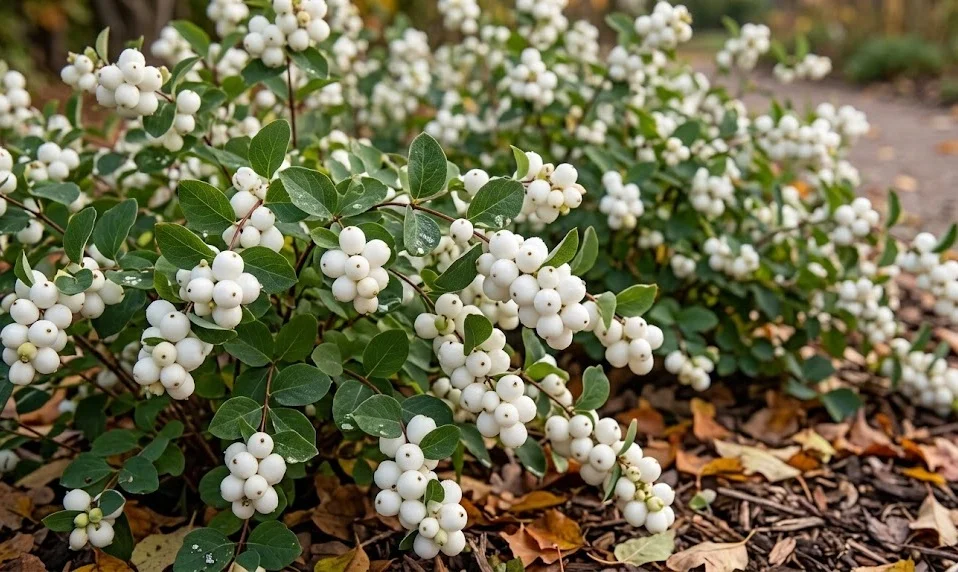

Choosing the right time and method for planting a snowberry is the first step toward creating a lush and productive garden feature. You should ideally aim for the early spring or late autumn when the temperatures are mild and the soil is naturally moist. These periods allow the roots to establish themselves without the stress of extreme heat or deep frost in the ground. Starting with a healthy specimen and a well-prepared site ensures that the plant gets the best possible start in its new home.
The process of planting begins with preparing a hole that is significantly wider than the current root ball of the shrub. You will find that loosening the surrounding soil allows the young roots to spread out and anchor the plant more quickly. It is also a good opportunity to mix in some high-quality organic matter to provide a nutrient boost for the first few months of growth. Proper preparation at this stage saves a lot of work later by preventing stunted growth or poor establishment.
Propagation is an excellent way to expand your garden collection or share this beautiful plant with friends and fellow gardeners. You can choose between several different methods, such as taking cuttings or dividing the roots of an existing, mature shrub. Each technique has its own advantages and is best performed at specific times of the year to maximize the success rate. Understanding these natural processes allows you to work in harmony with the plant’s own growth cycles.
Successfully propagating a snowberry gives you a sense of accomplishment and a deeper connection to the life cycle of your garden. You will see that even a small piece of the parent plant can eventually grow into a large, berry-laden bush with the right care. This ability to regenerate is a testament to the hardiness and vitality of the species, making it a favorite for many home gardeners. With a bit of patience and the correct technique, you can easily increase the number of snowberries in your landscape.
Choosing the right planting site
The location you choose for your snowberry will determine how much it grows and how many berries it produces each year. You should look for a spot that receives at least a few hours of sunlight every day, although the plant is quite flexible. While it thrives in partial shade, a location that is too dark might result in fewer flowers and a less impressive fruit display. Finding that balance of light and protection is a key consideration for any professional gardener.
More articles on this topic
Soil drainage is another critical factor that you must evaluate before you begin the planting process. You should avoid areas where water tends to sit for long periods after a heavy rain, as this can lead to root problems. If your garden has heavy clay soil, you can improve the situation by planting on a slight mound or incorporating grit to improve drainage. A well-aerated soil allows the roots to access the oxygen they need to grow strong and healthy.
Consider the ultimate size and spread of the snowberry when selecting its permanent home in your landscape design. You should give the shrub enough room to reach its natural width of several feet without crowding nearby plants. If you are planting several together to form a hedge, you will need to space them consistently to ensure they fill in evenly. Planning for the future size of the plant prevents the need for drastic pruning or moving the shrub later on.
Accessibility for maintenance and the visual impact on your overall garden layout are also important site selection criteria. You might want to plant it near a walkway where you can enjoy the berries up close during the winter months. Alternatively, using it as a background plant for shorter perennials can create a beautiful layered effect in your borders. Think about how the snowberry will look from different angles and how it will change through the four seasons.
Step-by-step planting guide
Once you have selected the perfect site, the actual planting process should be handled with care and attention to detail. You should start by digging a hole that is twice as wide as the root ball but no deeper than the container it came in. This wide hole ensures that the roots have plenty of loose soil to grow into as they begin to expand. Keeping the depth consistent prevents the stem from being buried too deep, which can cause rot at the base.
More articles on this topic
Carefully remove the snowberry from its pot and check the roots to see if they are circling or becoming bound. You can gently tease out any tangled roots with your fingers to encourage them to grow outward into the new soil. Placing the plant in the center of the hole and checking its level is the next important step in the process. You want the top of the root ball to be flush with the surface of the surrounding ground for the best results.
Fill the hole back in with a mixture of the original soil and a small amount of compost or soil conditioner. You should firm the soil down gently with your hands or feet to remove any large air pockets around the roots. However, be careful not to pack it so tightly that you crush the delicate root structures or prevent water from penetrating. Watering the plant thoroughly immediately after planting helps settle the soil and provides essential moisture for the transition.
Applying a layer of mulch around the base of the new plant is the final step in the planting procedure. You should use a natural material like wood chips or shredded bark to help retain moisture and suppress competing weeds. Keep the mulch a few inches away from the actual stem of the plant to avoid trapping moisture against the bark. This protective layer provides a stable environment for the young snowberry as it begins the long process of settling into your garden.
Propagation by root division
Root division is one of the easiest and most reliable ways to create new snowberry plants from an established mother bush. You should plan to do this during the early spring before the new growth starts or in the late autumn after the leaves have fallen. At these times, the plant is dormant or nearly so, which reduces the shock of being moved and divided. A mature, healthy snowberry that has started to spread via suckers is the ideal candidate for this method.
To begin the division, you should use a sharp spade to cut through the ground between the main plant and a healthy-looking sucker. Lift the offset carefully, making sure to include as much of its own root system as possible for a better chance of survival. You will often find that these young shoots already have a well-developed set of roots and are ready to grow on their own. This natural spreading habit makes the snowberry a very easy plant to propagate for any level of gardener.
Once you have separated the division, you should plant it immediately in its new location or a temporary pot. Follow the same planting steps as you would for a nursery-grown shrub, focusing on soil contact and initial watering. You may want to trim back the top of the new plant slightly to help it focus its energy on root development. With consistent moisture, these divisions usually establish themselves quickly and start showing new growth within a single season.
This method of propagation is not only practical but also helps control the size of the original plant if it has become too large. You are essentially thinning out the parent bush while gaining new plants for other areas of your property at the same time. It is a sustainable way to manage your garden resources and keep your plants looking their best. Sharing these extra plants with neighbors is a great way to build a community of gardeners who appreciate the beauty of the snowberry.
Propagating through cuttings
Taking cuttings is another effective way to propagate snowberry, allowing you to create many new plants from a single branch. You can choose between softwood cuttings taken in the early summer or hardwood cuttings taken during the winter months. Softwood cuttings tend to root more quickly but require more careful monitoring of humidity and moisture levels to prevent wilting. Hardwood cuttings are slower to develop but are generally tougher and require less daily attention from the gardener.
For softwood cuttings, you should select young, flexible stems that haven’t yet become woody and cut them into four-inch lengths. Remove the leaves from the bottom half of the cutting and dip the end into a rooting hormone to encourage faster growth. Insert the cuttings into a pot filled with a light, well-draining mix of sand and peat or a similar professional medium. Keeping them in a warm, bright spot out of direct sunlight will provide the best environment for roots to form.
Hardwood cuttings are taken from mature wood that has gone dormant and is about the thickness of a pencil. You should cut these into slightly longer pieces, usually about six to eight inches, and bury them halfway in a protected outdoor bed. The cool winter air and moist soil will slowly encourage the development of roots over several months as the plant sleeps. By the time spring arrives, many of these cuttings will have developed enough of a root system to start producing their first leaves.
Regardless of the type of cutting you choose, patience is the most important ingredient for success in this propagation method. You should check the moisture levels regularly to ensure the rooting medium doesn’t dry out completely, which would be fatal for the young plants. Once you see significant new growth or feel resistance when you tug gently on the cutting, you know that roots have successfully formed. It is a fascinating process to watch as a simple stem transforms into a completely new and independent shrub.