
Light is the primary energy source that drives the spectacular flowering and growth of creeping zinnia. To achieve the dense, golden carpet that this plant is famous for, you must provide it with the specific intensity and duration of sunlight it requires. Understanding how light interacts with the plant’s physiology allows you to choose the best locations and manage its health with professional precision. Without the correct light levels, even the best watering and fertilization routines will fail to produce the desired results.
The necessity of full sun
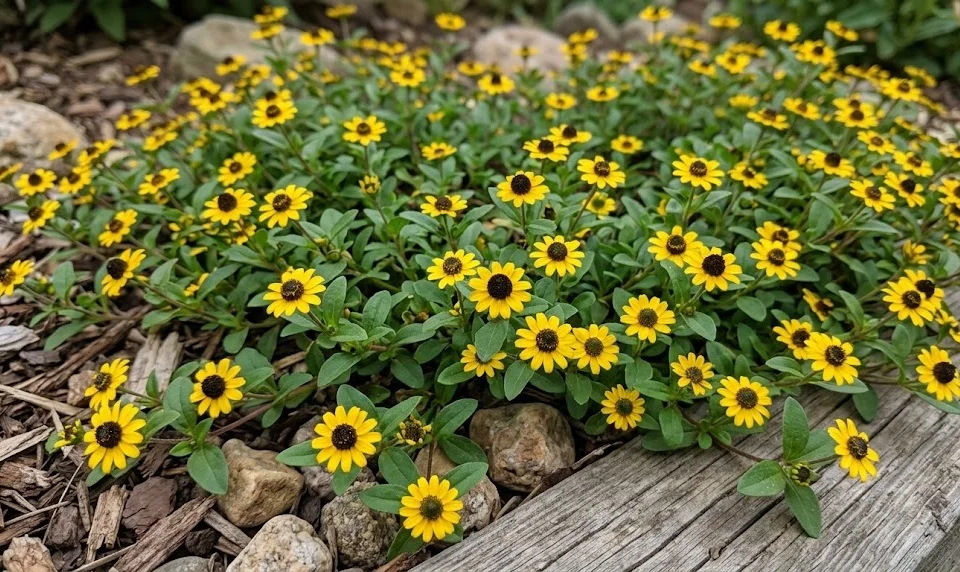
Creeping zinnia is categorized as a full-sun plant, which means it thrives best when receiving at least six to eight hours of direct light daily. In its native habitats, it is accustomed to open, bright environments where nothing blocks the sun’s rays for most of the day. This intense light is what fuels the rapid production of the carbohydrates needed for its prolific blooming habit. When you provide this environment, the plant stays compact, strong, and covered in vibrant flowers.
If you place these plants in an area that is too shaded, you will quickly notice a decline in their overall performance. The stems will start to stretch and become thin as the plant desperately reaches toward the nearest light source. This “leggy” growth is not only unattractive but also makes the plant more vulnerable to physical damage from wind or rain. Furthermore, the number of flower buds will decrease significantly, leaving you with more green foliage than golden blooms.
The quality of the sunlight also matters, as the morning sun is generally less intense than the afternoon sun. While the plant can handle the heat of the afternoon, having a site that receives light throughout the entire day is the most ideal scenario. In particularly hot climates, some very light dappled shade in the mid-afternoon can actually be beneficial by preventing the soil from drying out too quickly. However, this should be the exception rather than the rule for this sun-loving species.
Monitoring the path of the sun across your garden at different times of the year is a professional way to plan your plantings. A spot that is sunny in May might be shaded by a leafy tree canopy in July, which can catch a gardener off guard. By choosing the most consistently bright locations, you ensure that your creeping zinnias have the energy they need from start to finish. This attention to detail is what separates a thriving garden from one that merely survives.
More articles on this topic
Effects of light on bloom color and size
The intensity of the light has a direct impact on the visual characteristics of the flowers themselves. In bright, direct sun, the golden-yellow petals will be at their most vibrant and saturated, creating a stunning visual impact. You may also notice that the dark centers of the flowers are more pronounced and well-defined when the plant is happy with its light levels. Light essentially acts as the “color saturation” tool for the plant’s natural artistry.
Conversely, plants grown in lower light conditions often produce flowers that are paler or even slightly washed out in appearance. The size of the blooms may also be smaller, as the plant has less energy to invest in large, complex structures. This can make the overall display look thin and less impressive than a specimen grown in optimal conditions. If your flowers aren’t looking as bright as you expected, light exposure is the first thing you should investigate.
Light also regulates the timing of the flowers opening and closing throughout the day. You will observe that the blooms are most fully open and radiant during the peak brightness of the day, following the sun’s rhythm. This natural behavior ensures that they are most visible to the pollinators that help the plant reproduce. It is a beautiful example of how plants have evolved to synchronize their lives with the environmental cues around them.
In addition to the intensity, the duration of light—also known as the photoperiod—can influence the plant’s growth cycles. While creeping zinnia is generally not as sensitive to day length as some other species, long summer days definitely encourage more vigorous activity. The abundance of light during June and July is when you can expect the most dramatic expansion of the plant’s trailing stems. Understanding these nuances helps you appreciate the deep connection between your garden and the celestial cycles.
More articles on this topic
Managing light in different garden settings
In a traditional garden bed, the main challenge is ensuring that taller neighboring plants do not cast too much shadow on the low-growing zinnias. Placing them on the southern or western edge of a border ensures they stay in the sun even as other plants grow taller. This strategic layering is a fundamental concept in professional landscape design that maximizes the success of every species. It allows each plant to occupy its own “niche” within the garden’s vertical and horizontal space.
Container gardening offers more flexibility, as you can move your pots around to follow the sun as the seasons change. If you notice a particular corner of your patio is getting too much shade in late summer, you can simply relocate your hanging baskets to a brighter spot. This ability to adapt to the changing environment is one of the great advantages of growing in pots. It ensures that your creeping zinnias are always in the “sweet spot” for light exposure throughout their entire life.
In urban environments or small courtyards, light can be reflected off walls and pavements, which actually increases the total light available to the plants. While this can be a benefit, it can also lead to increased temperatures and faster drying of the soil. Professional gardeners in these settings must balance the high light levels with more frequent monitoring of moisture. This shows how understanding light also involves understanding the secondary effects it has on the rest of the plant’s environment.
If you are growing creeping zinnia indoors or in a greenhouse, you must be very careful to provide enough intensity. Standard indoor lighting is usually far too weak to support a plant that is adapted to the full outdoor sun. Using high-quality LED grow lights placed close to the foliage can mimic the intensity of the sun and keep the plants healthy. This technical solution allows you to enjoy these beautiful flowers even in spaces where natural light is limited.