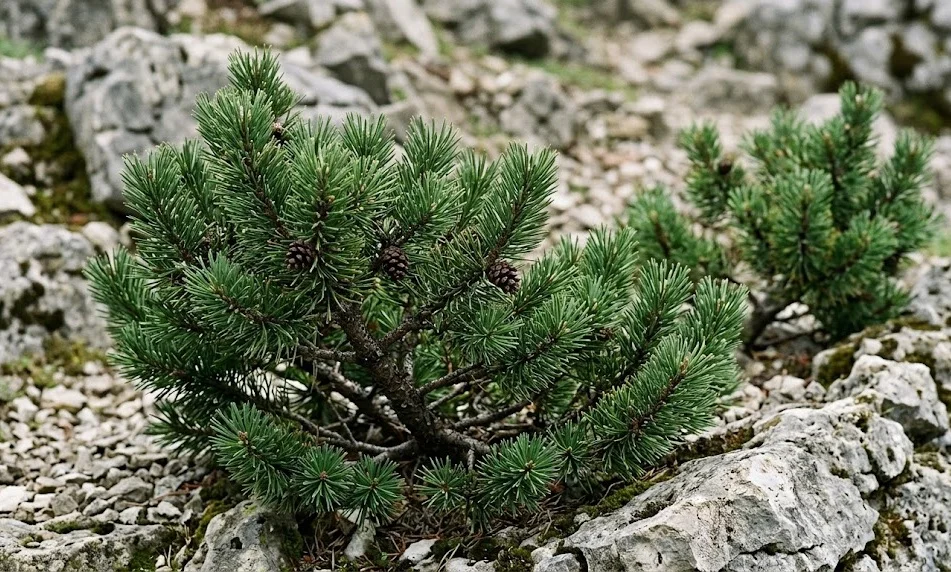

Protecting your dwarf mountain pine from biological threats is an essential part of being a responsible and professional gardener. While these evergreens are generally hardy and resistant, they can fall victim to specific pests and diseases if environmental conditions become unfavorable. You must be prepared to act as a guardian, monitoring the foliage and stems for early warning signs of trouble. A quick response can often mean the difference between a minor setback and the loss of a beautiful specimen.
Most issues with dwarf mountain pines arise when the plant is already stressed by poor drainage, improper lighting, or mechanical damage. Fungal diseases, in particular, tend to thrive in humid environments where air circulation is restricted around the needles. Pests, on the other hand, may be attracted to weakened plants or can be introduced by neighboring vegetation. Understanding the life cycles of these threats allows you to target your treatments more effectively.
Prevention is always the best strategy when it comes to maintaining a healthy landscape for your evergreens. You should focus on creating an environment that supports the plant’s natural defenses through proper watering and site selection. Healthy plants are much better at compartmentalizing infections and repelling insect invaders than those that are struggling. This article will help you identify the most common enemies of the dwarf mountain pine and how to combat them.
We will cover everything from common fungal needle blights to the persistent insects that can drain the vitality of your pine. You will learn both organic and chemical management strategies, giving you a range of options for your specific situation. By staying informed and vigilant, you can ensure that your dwarf mountain pine remains a healthy and vibrant feature for many years. Let’s dive into the world of pine health management.
Identifying fungal needle diseases
Fungal infections are among the most common problems you might encounter with a dwarf mountain pine. Needle cast diseases often manifest as brown or reddish spots on the needles, which eventually lead to premature needle drop. You might see these symptoms appearing first on the lower branches where humidity is highest and airflow is lowest. If left untreated, a severe infection can leave the plant looking thin and unattractive over several seasons.
More articles on this topic
Diplodia tip blight is another serious fungal threat that specifically targets the new growth of the pine. You should look for stunted or browning new shoots (the “candles”) that fail to expand properly in the spring. Small, black fruiting bodies may also be visible at the base of the infected needles or on the cones. This disease is often spread by splashing rain or overhead irrigation, making proper watering techniques even more important.
Sooty mold is a black, powdery substance that can appear on the surface of the needles, though it isn’t a direct pathogen. It grows on the “honeydew” excreted by sap-sucking insects like aphids or scale. While the mold itself doesn’t eat the plant, it can block sunlight from reaching the needles and reduce the plant’s vigor. If you see sooty mold, you should immediately look for the underlying insect infestation that is fueling its growth.
Treating fungal diseases usually involves a combination of pruning and the application of fungicides. You should remove and destroy any heavily infected branches to reduce the amount of spores present in the environment. Applying a copper-based fungicide or a specialized pine treatment in the early spring can provide a protective barrier for the new growth. Always ensure that the interior of the plant is kept clean of dead debris to limit the hiding places for fungal spores.
Common insect pests and their damage
Scale insects are tiny, stationary pests that can be very difficult to spot until the population is quite large. They look like small white or brown bumps on the needles or stems and survive by sucking the sap from the plant. A heavy infestation can cause yellowing, stunted growth, and an overall decline in the pine’s health. You may need a magnifying glass to see the individual scales, but the damage they cause is often very obvious.
More articles on this topic
Pine needle scale is a specific variety that appears as small, elongated white flecks on the needles. If you notice your pine looks like it has been dusted with flour, you should investigate for these persistent pests. They can be particularly stubborn to treat because their protective shells shield them from many contact insecticides. Timing your treatments to target the “crawler” stage, when the young scales are moving and vulnerable, is the key to success.
Aphids and spider mites are other frequent visitors that can cause significant aesthetic damage to your evergreens. Aphids are small, soft-bodied insects that cluster on the new growth and cause the needles to become distorted or sticky. Spider mites are nearly invisible but leave behind fine webbing and cause the needles to take on a stippled or bronzed appearance. Both of these pests can multiply rapidly during hot, dry weather, so keep a close watch during the summer months.
European pine sawfly larvae can be a dramatic sight, as they often feed in large groups on the older needles. These caterpillar-like insects can quickly strip a branch of its foliage, leaving only the new growth behind. While they rarely kill a healthy mature pine, they can severely weaken young plants and ruin their appearance. You can often remove them by hand or use a strong stream of water to knock them off the plant if the infestation is caught early.
Cultural practices for prevention
The best way to manage pests and diseases is to prevent them from becoming a problem in the first place. You should always ensure that your dwarf mountain pine is planted in a location with excellent air circulation. Avoid crowding the plant with other vegetation, as this creates a stagnant, humid microclimate that fungi love. Proper spacing is a simple but highly effective professional technique for maintaining plant health.
Watering at the base of the plant rather than over the top of the foliage is another critical preventive measure. Keeping the needles dry reduces the chances of fungal spores germinating and spreading throughout the canopy. You should also avoid watering in the late evening, as this can leave the soil and surrounding air damp overnight. A morning watering schedule allows any accidental moisture on the needles to evaporate quickly in the sun.
Maintaining a clean garden environment is essential for reducing the “inoculum” or source of future infections. You should regularly rake up and dispose of fallen needles, especially if they show signs of disease. Pruning out dead or crossing branches also helps by improving light penetration and airflow into the center of the mound. A well-manicured plant is not just more beautiful; it is inherently more resistant to biological threats.
Finally, regular fertilization and proper soil management help the plant build strong cell walls and a robust immune system. A plant that is receiving the right balance of nutrients is better equipped to produce natural defensive compounds. You should avoid over-fertilizing with nitrogen, however, as this can produce soft, succulent growth that is particularly attractive to many pests. A balanced, professional approach to care is your most powerful tool in the fight against disease.
Organic and chemical treatment options
If a pest or disease problem does occur, you have a variety of treatment options ranging from gentle organic methods to stronger chemicals. For many insect pests like aphids or mites, a strong blast of water from a garden hose can be surprisingly effective. You can also use insecticidal soaps or horticultural oils, which work by smothering the insects without leaving toxic residues. These organic options are safe for beneficial insects like ladybugs if applied carefully.
Neem oil is a popular organic choice that has both insecticidal and fungicidal properties. It can be used to treat a wide range of issues, from scale insects to certain types of needle blights. You should apply it in the early morning or evening to avoid burning the needles in the direct sun. Consistent application is often necessary with organic treatments, as they may not have the long-lasting effects of synthetic chemicals.
For serious or persistent fungal infections, you may need to turn to professional-grade synthetic fungicides. Products containing chlorothalonil or copper are often recommended for treating needle cast and tip blights. It is vital to follow the label instructions exactly, as improper use can damage the plant or the surrounding environment. You usually need to apply these treatments at specific intervals, especially during the wet spring months when fungi are most active.
Systemic insecticides are another option for managing difficult pests like scale or borers. These chemicals are absorbed by the plant and kill the insects as they feed on the sap or tissue. While very effective, they should be used as a last resort because they can sometimes affect non-target insects. Always consider the overall health of your garden ecosystem when deciding which treatment path to take for your dwarf mountain pine.
Long-term health monitoring
Maintaining the health of your dwarf mountain pine is an ongoing process that requires consistent observation throughout the year. You should make a habit of walking through your garden and looking closely at your evergreens every few weeks. Early detection of a small aphid cluster or a few spotted needles is much easier to manage than a full-blown crisis. Your eyes are the most important tools you have for keeping your plants safe.
Keeping a garden journal can be a very helpful professional practice for tracking the health of your plants over time. Note when you see the first signs of growth in the spring and when certain pests typically appear in your area. This historical data allows you to anticipate problems and take preventive action before they even start. Understanding the patterns of your specific garden helps you become a more intuitive and successful gardener.
If you are unsure about a particular symptom, don’t hesitate to consult with a local nursery professional or an agricultural extension office. They can often provide a definitive diagnosis and recommend the best treatments for your specific region. Taking a clear photo or a physical sample of the affected foliage can be very helpful for identification. Getting expert advice early on can save you a lot of frustration and potential loss.
Ultimately, a healthy dwarf mountain pine is a testament to your skill and attention to detail. By providing the right environment and staying vigilant against threats, you allow the plant to reach its full architectural potential. The time you spend monitoring and caring for your pine will be rewarded with a beautiful, resilient plant that anchors your garden for decades. Enjoy the process of learning and growing along with your evergreen companions.