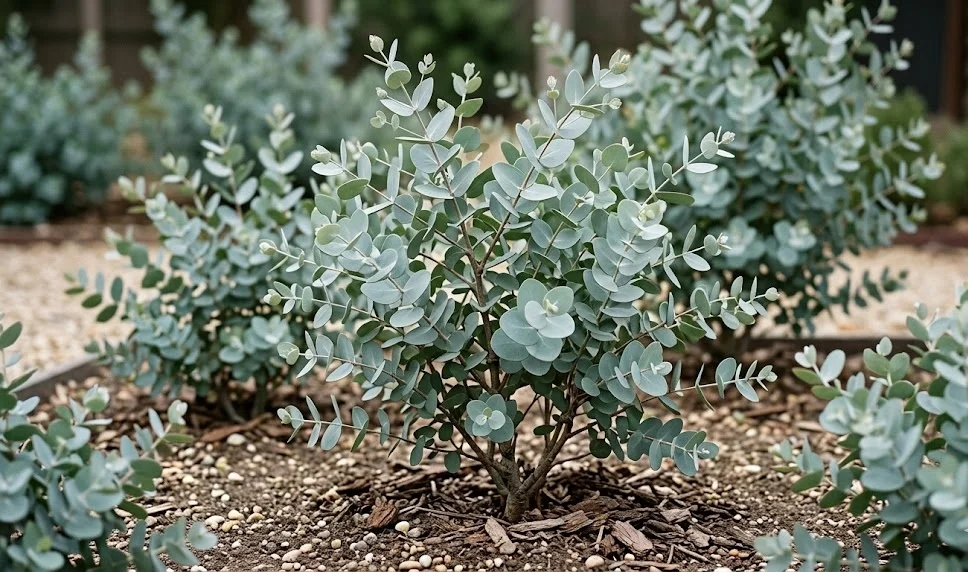

Preparing a cider gum for the challenges of the winter months is a vital task for gardeners in regions where freezing temperatures are common. While this particular species is celebrated for its impressive cold tolerance, a proactive approach to overwintering ensures the tree emerges in the spring with minimal damage. The transition from the active growing season to the dormant winter period requires specific adjustments to your care routine and the physical protection of the plant. By following professional guidelines, you can safeguard the structural integrity and aesthetic beauty of your tree during the coldest time of year.
The cider gum’s ability to withstand frost is one of its most valuable traits, often surviving temperatures that would kill other eucalyptus varieties. However, the level of hardiness can vary depending on the age of the tree, its overall health, and how well it was acclimated to the cold. Young saplings and trees that have been recently transplanted are significantly more vulnerable to extreme cold than well-established specimens. Your strategy should therefore be tailored to the specific developmental stage of your tree and the typical severity of your local winter climate.
One of the most dangerous aspects of winter is not just the cold itself, but the desiccating effect of freezing winds combined with frozen soil. Evergreens like the cider gum continue to lose moisture through their leaves even in the winter, but if the ground is frozen, the roots cannot replenish that water. This can lead to a condition known as winter burn, where the foliage turns brown and dry because the plant has essentially become dehydrated. Understanding this relationship between temperature, wind, and moisture is key to successful overwintering.
In addition to temperature management, you must also consider the physical weight of snow and ice on the evergreen canopy. The flexible branches of the cider gum are designed to move, but a heavy accumulation of wet snow can cause limbs to bend or even snap under the pressure. Professional winter preparation involves both physiological support for the tree’s internal systems and physical protection for its external structure. The following sections will guide you through the essential steps to ensure your tree survives and thrives throughout the winter season.
Preparing the tree in autumn
The process of successful overwintering actually begins several months before the first frost arrives in your garden. During the late summer and early autumn, you should stop applying high-nitrogen fertilizers to avoid stimulating soft, new growth. These tender shoots do not have enough time to “harden off” or develop a protective outer layer before the cold weather sets in. By allowing the tree’s growth to naturally slow down, you encourage the existing wood to mature and become more resistant to freezing temperatures.
More articles on this topic
Proper hydration during the autumn is another critical factor that influences how well the tree will handle the winter ahead. You should continue to water the tree deeply until the ground actually freezes, ensuring that the internal tissues are fully hydrated. A tree that enters the winter in a state of water stress is far more likely to suffer from winter burn and cold damage. Think of this late-season watering as building up a “reserve” that the tree can draw upon when the soil moisture becomes inaccessible due to frost.
Applying a fresh layer of organic mulch around the base of the tree is one of the most effective ways to protect the root system. A thick layer of bark chips or straw acts as an insulating blanket, helping to keep the soil temperature more stable and preventing the rapid freeze-thaw cycles that can heave roots. You should extend the mulch out to the drip line of the canopy for maximum effect, but always keep it a few inches away from the main trunk. This insulation also helps to keep the soil moist for a longer period, providing a better environment for the roots.
Finally, take the time in late autumn to inspect the tree for any weak or crossing branches that might be prone to breaking under the weight of snow. Lightly thinning out any excessively dense areas of the canopy can improve air circulation and reduce the surface area where snow can accumulate. You should also ensure that any stakes or ties are secure but not too tight, as the tree may still experience some movement during winter storms. This structural check ensures that the tree is in the best possible physical shape to face the coming elements.
Protecting young and potted plants
Young cider gums that have not yet reached a significant size require much more intensive protection than their mature counterparts. If you have a sapling that was planted this year, you might consider wrapping the trunk with a tree guard or burlap to protect it from cold and rodents. This physical barrier can also help prevent “sunscald,” which happens when the winter sun warms the bark during the day and it freezes rapidly again at night. These extreme temperature fluctuations can cause the bark to crack, leaving the tree vulnerable to pests and diseases in the spring.
More articles on this topic
For very small trees or in cases of extreme forecasted cold, you can create a temporary “cage” around the plant using wire mesh and fill it with dry leaves or straw. This provides a high level of insulation for the entire plant and can be easily removed once the danger of severe frost has passed. Be sure to use a breathable material like burlap rather than plastic, as plastic can trap moisture and cause the plant to rot. This extra effort during the tree’s first few winters will pay off as it grows into a much more resilient mature specimen.
Cider gums grown in containers are at an even higher risk during the winter because their roots are not insulated by the mass of the earth. The root ball of a potted plant can reach much lower temperatures than the ground, which can lead to root death even if the foliage survives. To protect container-grown trees, you can move them to a sheltered location like a cold frame, an unheated greenhouse, or a porch. If moving them isn’t possible, wrap the entire pot in several layers of bubble wrap or heavy burlap to provide some insulation for the root zone.
In a container, drainage is also a concern during the winter, as saturated soil that freezes can expand and crack the pot or damage the roots. Ensure that your pots are raised off the cold ground on “pot feet” or bricks to allow excess water to drain away freely. You should also be careful not to overwater potted trees during their dormant period, as they need very little moisture when they are not actively growing. Checking the soil every couple of weeks and providing a small amount of water only if it feels bone dry is usually sufficient.
Managing snow and ice accumulation
When a heavy snowstorm occurs, the way you manage the accumulation on your cider gum can make a significant difference in its survival. If the snow is light and fluffy, it often doesn’t pose much of a threat and may even act as a natural insulator for the branches. However, heavy, wet snow or a coating of ice can be extremely dangerous for the evergreen canopy. You should resist the urge to vigorously shake the branches to remove the snow, as frozen wood is brittle and can easily snap under sudden pressure.
The best way to remove heavy snow is to gently brush it upward from the underside of the branches using a soft broom or your hands. This method supports the weight of the branch while you clear the snow, reducing the risk of accidental breakage. If an ice storm occurs, it is usually best to simply let the ice melt naturally rather than trying to chip it off. Attempting to remove ice often causes more damage to the leaves and bark than the ice itself would have caused if left alone.
If you notice that a branch has become severely bent under the weight of snow, you may need to provide temporary support until it can recover. You can use a wooden prop or a soft tie to help hold the branch in a more natural position while the tree is still under stress. Most flexible cider gum branches will eventually return to their original shape once the weight is removed and the weather warms up. However, if a branch does snap, it should be pruned cleanly back to the trunk as soon as the weather allows to prevent disease.
Winter storms can also bring high winds that test the stability of the tree’s root system and its overall structure. If your tree is in an exposed location, a temporary windbreak made of burlap and stakes can provide invaluable protection from the most damaging gusts. This shield not only prevents physical breakage but also significantly reduces the amount of moisture the tree loses through its leaves. Think of these measures as “first aid” for your tree during the most extreme weather events of the year.
Spring recovery and transition
As the days begin to lengthen and the temperatures start to rise, your cider gum will gradually wake up from its winter dormancy. This transition period is a delicate time when the tree is starting to push out new growth but may still be vulnerable to late spring frosts. You should be patient and wait until you are certain that the danger of hard freezes has passed before removing any protective wraps or cages. Rushing to “unveil” the tree too early can sometimes lead to the loss of the first flush of spring growth.
Once the winter protection is removed, take the time to perform a thorough inspection of the tree to assess any damage that may have occurred. Look for cracked bark, broken branches, or large areas of browned foliage that might indicate winter burn or cold damage. Small amounts of leaf browning are normal and the tree will usually shed these leaves as it produces new ones in the spring. If you find dead or broken wood, prune it out cleanly to encourage the tree to focus its energy on healthy new growth.
Resuming your regular watering and fertilization schedule should be done gradually as the tree enters its active growth phase. If the winter was particularly dry, the tree may need a few deep waterings to help it rehydrate and prepare for the spring surge. Wait until you see the first signs of new green shoots before applying a balanced, slow-release fertilizer to support the coming season’s growth. This ensures that the nutrients are available right when the tree’s internal systems are ready to use them.
Finally, remember that the resilience of the cider gum is one of its greatest strengths, and most healthy trees will recover quickly from winter stress. Even if your tree looks a little “tired” after a long, cold winter, the return of warm sun and regular care will soon bring back its vibrant silvery glow. Every winter provides a learning opportunity to see how your specific microclimate affects the tree and how you can refine your care for next year. With consistent professional attention, your cider gum will remain a centerpiece of your garden for many years to come.