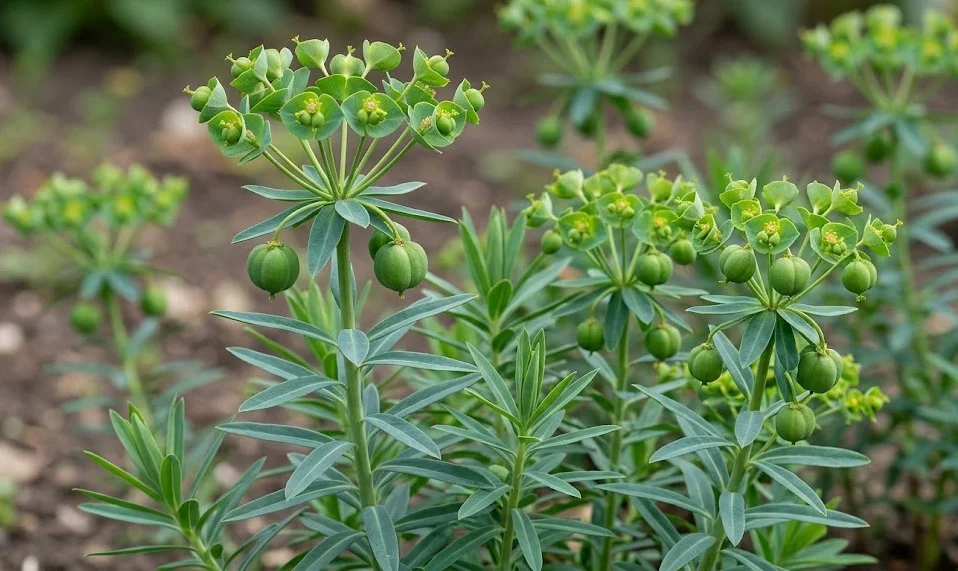

Pruning the mole plant is an essential task that serves both aesthetic and practical purposes throughout its two-year existence. While the plant naturally grows in a very tidy and symmetrical manner, targeted intervention can help manage its size and prevent unwanted self-seeding. You must approach this task with a high degree of caution, as the plant’s toxic sap is most prevalent and pressurized within the stems. A professional gardener always prioritizes safety and timing when decided to cut back any part of this species.
The most common reason for pruning is to manage the reproductive cycle and control the spread of the plant in the garden. Because it can be a prolific self-seeder, many gardeners choose to remove the flowering stalks once the aesthetic peak has passed but before the seed pods dry out. This practice, known as deadheading, prevents the seeds from being explosively dispersed across your garden beds. To do this effectively, cut the main flowering stem back to the point where it meets the primary vertical stalk or the basal rosette.
If you are growing the plant primarily for its architectural foliage in the first year, very little pruning is required. You should only remove leaves that have become damaged by pests, weather, or mechanical injury to maintain a clean appearance. Use a very sharp, sterilized pair of bypass pruners to make clean cuts, which help the plant heal more quickly. Making a ragged or crushed cut can leave the stem vulnerable to fungal pathogens that thrive in the nutrient-rich sap.
During the second year, the plant can become quite large and may start to encroach on its neighbors or garden paths. You can perform light “tipping” of the side branches to keep the plant within its allotted space, though this may slightly alter its natural form. Always step back and evaluate the overall shape of the plant before making a cut, as once a major stem is removed, it will not grow back in the same way. The goal of pruning should always be to enhance, rather than fight, the natural habit of the species.
Timing and techniques for effective pruning
The timing of your pruning sessions should align with the specific goals you have for the plant’s development. For controlling seed dispersal, the window of opportunity is in the mid-to-late summer after the flowers have faded but while the seed pods are still green and fleshy. If you wait until the pods have turned brown and papery, any touch might trigger them to burst, scattering seeds even as you try to remove them. Early intervention is the key to maintaining a tidy and controlled garden environment.
More articles on this topic
When removing a large stem, it is helpful to have a bucket of water or a damp cloth nearby to immediately stop the flow of latex. As soon as you make a cut, the milky sap will begin to ooze out, which can be messy and irritating if allowed to drip freely. Dabbing the cut end with water or a small amount of soil can help the plant seal the wound more quickly. This technique also prevents the sap from running down the stem and staining the lower leaves with white, sticky streaks.
Always wear protective gear, including heavy rubber gloves and safety glasses, whenever you are pruning any Euphorbia. The sap is under pressure within the plant and can sometimes squirt out when a stem is cut, especially on a warm, sunny day. If you are cutting back a large number of plants, it is wise to wash your pruners frequently with rubbing alcohol to prevent the sap from gumming up the mechanism. These professional habits ensure that the job is done safely and that your tools remain in top working condition.
In some cases, you may want to cut the entire plant back to the ground after it has finished flowering and the seeds have been collected or removed. Since the plant is a biennial and will die anyway, this final cutting is simply a matter of clearing space for the next generation of seedlings. You can use a sturdy garden saw or heavy loppers for this task, as the base of the stem can become quite woody by the end of the second year. Clear away all the debris immediately to keep the area clean and ready for new growth.
Post-pruning care and waste disposal
After a significant pruning session, keep an eye on the plant for a few days to ensure that the cut sites are healing properly. In dry weather, the sap usually dries into a natural scab within a few hours, but in humid conditions, the wounds may remain open longer. If you notice any signs of mold or rot at the cut site, you can apply a small amount of powdered charcoal or cinnamon as a natural fungicide. Most mole plants are very resilient and will recover from pruning without any special aftercare beyond basic observation.
More articles on this topic
Disposing of the pruned material requires a thoughtful approach due to the toxins contained within the stems and leaves. As mentioned in previous articles, you should never burn the remains, and adding them to a backyard compost pile can be problematic. The safest way to handle the waste is to bag it and dispose of it through your local municipal green waste system. If you must compost it at home, ensure it is buried deep within a very active, hot compost pile where the biological processes will break down the irritants over time.
For those who want to encourage a more “wild” or naturalized look, you can leave the dead stalks standing through the winter. This provides structural interest and can offer some minimal shelter for beneficial insects during the cold months. In this scenario, you would simply cut the entire plant back in the early spring of the following year to make room for the emerging seedlings. This delayed pruning approach fits well with a wildlife-friendly gardening philosophy and requires the least amount of effort from the gardener.
Ultimately, pruning the mole plant is a tool that allows you to guide the plant’s impact on your garden. Whether you are maintaining a formal architectural display or managing a semi-wild border, knowing how and when to cut back is crucial. By following these professional guidelines, you can enjoy all the benefits of this unique species while keeping its more vigorous and toxic traits under control. Your garden will be safer, tidier, and more visually rewarding as a result of your careful maintenance.