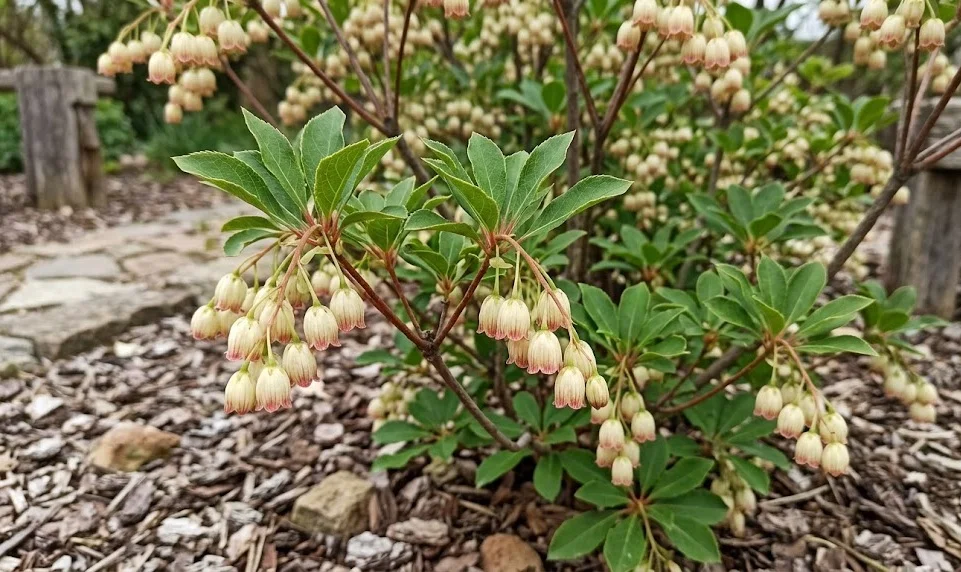

Wintering the redvein enkianthus is an essential part of its annual life cycle, especially for gardeners in northern climates. While this species is relatively hardy and can withstand significant cold, it still benefits from some proactive protection during the harshest months. The goal is to minimize the stress caused by fluctuating temperatures and drying winds that can damage the delicate wood. Proper preparation ensures that the plant emerges in the spring with its flower buds intact and its vitality preserved.
This shrub is typically rated as hardy down to zone 5 or 6, depending on the specific cultivar and its local environment. In these regions, the plant enters a deep dormancy where its metabolic processes slow down to almost zero. This natural state of rest is necessary for the plant to produce a vigorous flush of flowers in the coming year. Understanding the limits of your local hardiness zone is the first step in planning your winter care strategy.
The biggest threat during the winter is often not the cold itself but the lack of available moisture in the soil. When the ground freezes solid, the roots are unable to absorb any water, which can lead to cellular dehydration in the stems. This is particularly problematic for young plants that have not yet developed an extensive root system or thick bark. Ensuring the plant is well-hydrated before the first hard freeze is a simple but vital task.
Protecting the physical structure of the shrub is also important when heavy snowfall is expected in your region. The tiered, horizontal branching habit of the enkianthus can easily collect large amounts of heavy, wet snow. This weight can cause branches to bend or even snap, ruining the natural form of the plant that has taken years to develop. A few small precautions can prevent this kind of mechanical damage from occurring during a winter storm.
Cold hardiness and frost protection
Frost tolerance varies slightly between the different varieties of redvein enkianthus, but most are quite resilient. However, late spring frosts can be particularly damaging to the early buds that have already started to swell. If a sudden cold snap is predicted after a period of warm weather, you may need to cover your shrub temporarily. A simple breathable fabric or an old bedsheet can provide just enough insulation to save the season’s flowers.
More articles on this topic
The choice of planting site significantly influences how well the shrub handles the winter months. A spot that is sheltered from prevailing north winds will experience much less temperature variation and desiccation. North-facing walls or the lee side of a dense evergreen hedge can offer a more stable microclimate for sensitive specimens. Avoid low-lying areas where cold air tends to settle and form frost pockets that linger longer than elsewhere.
For plants grown in containers, winter care must be much more intensive because the roots are more exposed to the air. Soil in a pot can freeze and thaw multiple times in a single week, which is very stressful for the root system. It is often best to move potted shrubs into an unheated garage or a sheltered porch for the duration of the winter. If they must stay outside, wrapping the pots in bubble wrap or burlap can help insulate the roots.
Younger specimens are generally more vulnerable to extreme cold than those that have been established for several years. Their bark is thinner, and they have fewer stored energy reserves to help them recover from winter damage. If you have recently planted a new enkianthus, it is worth the extra effort to provide some additional protection for the first two years. Once the plant reaches a certain size, it becomes much more capable of handling the winter on its own.
Preparing the plant for dormancy
Preparation for winter actually begins in late summer by adjusting your watering and feeding schedule. You should stop applying any nitrogen-rich fertilizers after mid-July to avoid stimulating new, soft growth. This tender foliage will not have enough time to “harden off” before the first frosts and will almost certainly be killed. Allowing the plant to naturally slow down its growth is the best way to ensure its safety during the winter.
More articles on this topic
Continue to water the shrub regularly throughout the autumn until the ground actually begins to freeze. A plant that enters the winter in a state of drought is far more likely to suffer from winter dieback and root damage. Deep watering in late October or November ensures that the tissues are fully hydrated and ready for the dormant phase. This is one of the most effective ways to prevent desiccation during the long months of frozen soil.
Raking up and removing any fallen leaves from around the base of the plant is a good final cleanup task. While these leaves provide some insulation, they can also harbor pests and fungal spores that will wake up in the spring. Replacing the old leaf litter with a fresh layer of clean mulch is a much better option for winter protection. This practice maintains the health of the soil while providing the thermal benefits the plant needs.
Inspect the branches for any signs of weakness or disease before the heavy weather arrives. Pruning out dead or damaged wood in late autumn prevents these areas from breaking further under the weight of snow or ice. However, avoid any major structural pruning at this time, as the wounds will not have time to heal before spring. Save the significant shaping work for the period just after the flowers have faded in the early summer.
Winter mulching and moisture retention
Mulching is the single most important physical barrier you can provide for your shrub during the winter. A three-inch layer of pine bark or wood chips acts like a thermal blanket, keeping the soil temperature more consistent. This prevents the “heaving” of the soil that occurs when it freezes and thaws rapidly, which can tear the fine roots. The mulch also locks in the moisture you provided during your final autumn watering sessions.
In areas with very cold winters, you might consider mounding the mulch slightly higher around the base of the crown. This provides extra protection for the main trunk and the primary root junctions where the plant is most vulnerable. Just remember to pull this extra mulch back in the spring to allow the bark to breathe and prevent rot. This temporary “hilling up” is a common practice for protecting many types of ornamental shrubs in northern gardens.
Evergreen branches, such as those from discarded Christmas trees, can also be placed over the root zone for added insulation. These branches trap snow, which is actually an excellent natural insulator against the extreme cold of the air. This method mimics the natural forest floor where fallen limbs and leaves create a complex, protective layer. It is a cost-effective and environmentally friendly way to give your enkianthus a little extra help.
During mid-winter thaws, it is a good idea to check the moisture levels if the ground is not frozen. If the weather has been unusually dry and windy, a light watering can prevent the plant from drying out completely. This is especially true for plants located under the eaves of a house where they might not receive natural rainfall or snow. A little bit of attention during these breaks in the weather can make a big difference.
Protecting young specimens and buds
For particularly valuable or young shrubs, building a simple burlap screen can provide the ultimate winter protection. This screen blocks the drying winter sun and the cold winds without trapping too much heat or moisture. You can create this by driving four stakes into the ground around the plant and wrapping burlap around the outside. Ensure the top is left open or covered with a breathable material to allow for air circulation.
Never use plastic sheeting to wrap your plants, as it can trap heat on a sunny winter day and cause the plant to wake up too early. When the temperature drops again at night, the sudden shock can be fatal to the active tissues. Plastic also traps moisture, creating a perfect environment for rot and fungal diseases to develop during the winter. Breathable materials like burlap, canvas, or specialized frost blankets are always the better choice.
If your region is prone to heavy ice storms, you may want to loosely tie the main branches together with soft twine. This prevents them from splaying outward under the weight of the ice, which often leads to split trunks. Be careful not to tie them too tightly, as the branches still need some room to move naturally in the wind. This simple bit of structural support can save the overall shape of the plant during a severe weather event.
Finally, keep an eye on the local wildlife, as rabbits and deer often find the bark of young shrubs quite tasty in the winter. If these animals are a problem in your area, a small cylinder of hardware cloth or chicken wire can be placed around the base. This physical barrier prevents them from girdling the trunk, which would kill the plant above the wound. Protecting your investment from hungry neighbors is part of the comprehensive winter care routine.