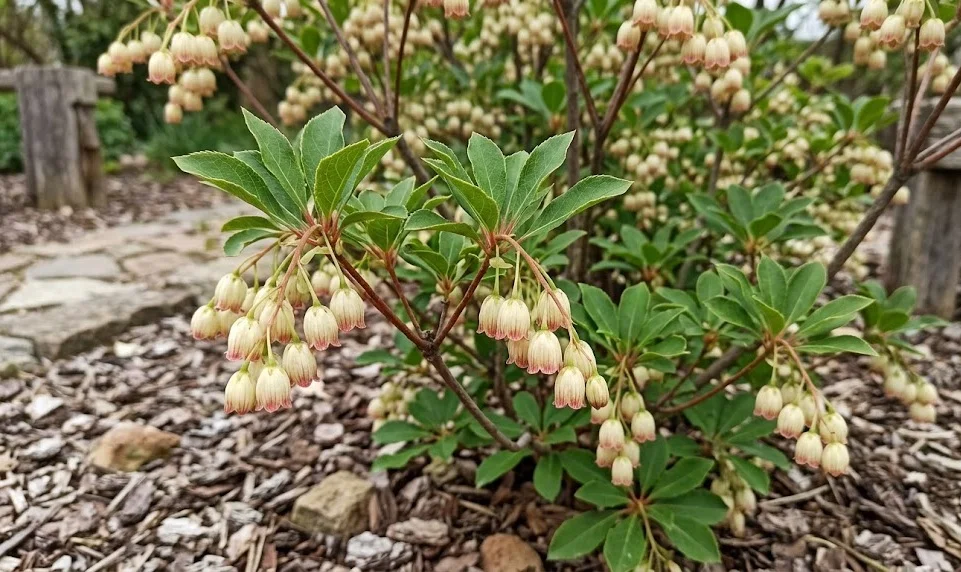

While the redvein enkianthus is generally a robust and low-maintenance shrub, it is not entirely immune to biological threats. Most problems arise when the plant is already stressed by improper cultural conditions, such as incorrect soil pH or poor drainage. Identifying the early signs of disease or pest infestation is crucial for preventing a small issue from becoming a disaster. A professional gardener knows that prevention is always more effective than attempting to cure a severely damaged specimen.
Fungal diseases are the most common issues encountered with this species, particularly in regions with high humidity. These pathogens thrive in stagnant air and on foliage that remains wet for extended periods. Maintaining proper spacing between plants is the first line of defense against most fungal infections. By ensuring good air circulation, you create an environment that is far less hospitable to disease-causing spores.
Insects that target acid-loving plants can occasionally find their way to your enkianthus during the growing season. While these pests rarely kill an established shrub, they can significantly damage its appearance and reduce its vigor. Regular inspections of the undersides of leaves and the tender new shoots will help you catch intruders early. Early detection often means you can use milder, more organic control methods.
Environmental stress can often be mistaken for a disease or a pest problem by less experienced growers. Scorch marks from too much sun or yellowing from alkaline soil are physiological responses, not infections. It is important to rule out these cultural issues before applying any chemical treatments to your plants. Always look at the whole picture of the plant’s environment when diagnosing a potential health problem.
Fungal issues and leaf spots
Leaf spot fungi can sometimes appear as small, dark lesions on the foliage during wet spring weather. These spots may eventually merge, causing entire leaves to turn brown and drop prematurely from the shrub. While a few spots are usually harmless, a severe infection can weaken the plant by reducing its ability to photosynthesize. Removing and destroying any infected leaves that fall to the ground is a key sanitation practice.
More articles on this topic
Powdery mildew is another fungal problem that presents as a white, flour-like coating on the surface of the leaves. This typically occurs in late summer when the days are warm and the nights are cool and damp. It rarely causes permanent damage but can make the plant look unsightly and stressed. Improving air flow and avoiding overhead watering are the best ways to keep powdery mildew at bay.
Root rot, caused by pathogens like Phytophthora, is perhaps the most serious threat to the health of this shrub. This disease occurs almost exclusively in soil that stays saturated for long periods without adequate drainage. The roots turn black and mushy, and the entire plant will eventually wilt and die as a result. There is no effective cure for root rot once it has taken hold of the main crown.
Cankers can occasionally develop on the woody stems, appearing as sunken or discolored areas of bark. These are often caused by fungi entering through wounds made by pruning tools or physical damage. If left untreated, a canker can girdle a branch, causing everything above it to die back. Pruning away affected branches well below the site of the canker is the best way to stop the spread.
Common insect pests
Spider mites are tiny arachnids that can become a problem during hot, dry weather conditions. They feed by sucking the sap from the leaves, resulting in a fine, stippled yellowing of the foliage. You might also notice very fine silk webbing on the undersides of the leaves or between the stems. A strong blast of water from a garden hose can often knock these pests off the plant.
More articles on this topic
Lace bugs are another common pest that specifically target plants in the Ericaceae family, including the enkianthus. These insects live on the undersides of the leaves and cause a distinct mottled or bleached appearance on the upper surface. Their presence is often marked by dark, varnish-like spots of excrement on the bottom of the leaves. Using insecticidal soaps or neem oil can be effective if the infestation becomes significant.
Scale insects can sometimes be found clinging to the woody stems, looking like small, immobile bumps. They protect themselves with a waxy shell while they slowly drain the life from the host plant. A heavy infestation of scale can cause branch dieback and an overall loss of vigor in the shrub. Horticultural oils applied during the dormant season are an excellent way to control scale without harming beneficial insects.
Aphids may occasionally gather on the soft, new growth in the spring to feed on the nutrient-rich sap. While they are usually controlled by natural predators like ladybugs, they can cause some leaf curling if left unchecked. Most of the time, a simple rinse with water or a light application of organic soap is enough to manage them. Healthy, well-watered plants are much better at resisting the damage caused by these small insects.
Integrated pest management
The first step in a professional pest management plan is to cultivate a garden that supports natural predators. Birds, ladybugs, and lacewings are all valuable allies in keeping harmful insect populations under control. Avoid using broad-spectrum insecticides that kill these helpful creatures along with the pests you are targeting. A balanced ecosystem is the most sustainable way to keep your garden healthy and vibrant.
When you do find a problem, start with the least toxic intervention possible before moving to stronger chemicals. Physical removal of pests or infected leaves is often enough to solve a minor issue in a residential garden. Using organic options like neem oil or potassium salts of fatty acids is much safer for the environment. These products break down quickly and have a lower impact on the surrounding soil life.
Timing is everything when it comes to applying treatments for diseases or pests in the garden. Most fungicides are preventative rather than curative, so they must be applied before the infection becomes widespread. Insecticides are most effective when the pests are in their most vulnerable life stage, which is usually shortly after hatching. Keeping a garden journal can help you predict when these events are likely to occur each year.
Always follow the instructions on any product label with extreme care to avoid harming your plants or yourself. Over-application can lead to chemical burns on the leaves and may contribute to pest resistance over time. Wear the appropriate protective gear and avoid spraying on windy days to prevent drift into other areas. Responsibility is a core part of being an expert gardener and a steward of the land.
Preventive measures and sanitation
Maintaining a clean garden environment is one of the most effective ways to prevent the spread of disease. Many pathogens overwinter in fallen leaves and dead wood, waiting for the right conditions to return in the spring. Raking up and composting or disposing of debris at the end of the season reduces the local population of spores. This simple task can make a massive difference in the health of your shrubs the following year.
Proper pruning practices also play a major role in disease prevention and the overall health of the plant. Always use sharp, sterilized tools when cutting into the wood to ensure clean wounds that heal quickly. You can wipe your shears with rubbing alcohol between plants to avoid carrying infections from one to another. Removing dead or crossing branches improves air circulation and light penetration throughout the canopy.
Quarantining new plants before adding them to your established garden beds is a wise professional habit. Keep any new arrivals in a separate area for a few weeks to ensure they aren’t bringing any hidden pests with them. This extra step can save you hours of work and a lot of money in the long run. It is much easier to treat one small plant in a pot than a whole row of mature shrubs.
Finally, remember that a healthy plant is its own best defense against almost any biological threat. By providing the correct soil, water, and light, you give the enkianthus the energy it needs to fight off invaders. Most pests and diseases are opportunistic and will only attack a specimen that is already weakened. Focus your efforts on optimal care, and the plant will largely take care of itself.
Environmental and physical stressors
Sunscald can occur on the bark or leaves if a plant is suddenly moved from a shaded area to full sun. The tissues are not acclimated to the high intensity of the light and can literally be burned by the UV rays. This is why it is so important to gradually harden off any plants that have been kept in a protected environment. If damage occurs, provide temporary shade and keep the plant well-watered while it recovers.
Winter desiccation, also known as winter burn, happens when the ground is frozen but the sun and wind are drying out the stems. Since the roots cannot take up water from the frozen soil, the plant begins to dehydrate from the top down. You can prevent this by ensuring the plant is well-hydrated in late autumn and by using windbreaks. A thick layer of mulch also helps to keep the ground from freezing too deeply.
Salt damage is a common problem for plants located near roads or sidewalks that are treated with de-icing chemicals in winter. The salt can leach into the soil or be splashed onto the foliage, causing brown, burnt-looking edges on the leaves. If your plant is in a vulnerable spot, consider using a burlap screen to protect it from salty spray. Flushing the soil with plenty of fresh water in the spring can help wash away accumulated salts.
Mechanical damage from lawnmowers or string trimmers can create entry points for pests and diseases at the base of the shrub. Using a ring of mulch around the plant creates a “no-go zone” for power equipment, protecting the sensitive bark. If a branch is broken by accident, prune it back to a clean joint as soon as possible to help it heal. Protecting the physical integrity of the plant is just as important as managing its chemistry.