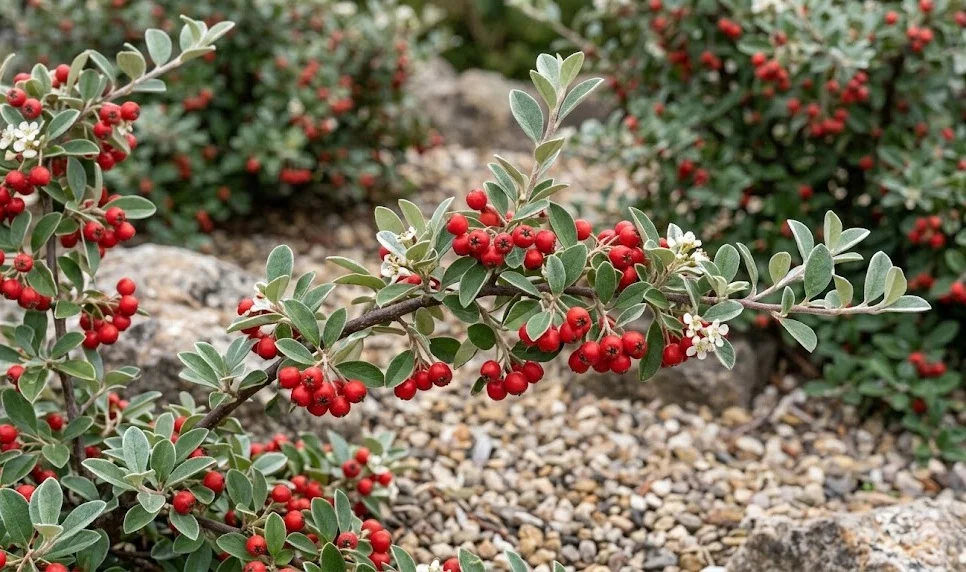

The relationship between a plant and the sun is one of the most fundamental aspects of successful gardening. For the bright-beaded cotoneaster, light plays a crucial role in determining the health, color, and density of its evergreen foliage. Understanding how to manage this resource is essential for any professional gardener looking to maximize the ornamental value of this shrub. While it is an adaptable species, providing the ideal amount of sunlight will lead to a more robust and aesthetically pleasing specimen.
A location that receives full sun, meaning at least six to eight hours of direct sunlight per day, is generally considered ideal. In these bright conditions, the shrub will develop a very dense habit and produce the highest number of flowers and berries. The leaves will take on a deeper, glossier green, and the stems will grow strong and upright. If you are planting a hedge or a focal point, a sunny spot is almost always the best choice for achieving the desired impact.
Sunlight also plays a critical role in the timing of the plant’s seasonal transitions, such as flowering and fruit ripening. The energy gathered through photosynthesis during the bright spring and summer days fuels the production of those iconic berries. Without enough light, the shrub may produce fewer flowers, leading to a sparse and disappointing display in the autumn and winter. Providing ample light is the best way to ensure the plant can fulfill its natural reproductive cycle.
In addition to leaf health and fruit production, adequate sunlight helps to naturally suppress many common fungal diseases. The sun’s rays help to dry the foliage quickly after rain or dew, creating an environment that is less hospitable to spores. This natural disinfection is a powerful tool in your overall plant health management strategy. By placing your cotoneaster in a bright, airy location, you are giving it a significant head start in staying healthy and vibrant throughout the year.
Adapting to partial shade conditions
One of the great strengths of the bright-beaded cotoneaster is its ability to perform reasonably well even in less-than-ideal light conditions. In gardens with large trees or architectural features that cast shadows, this shrub can be a reliable and attractive option. It is categorized as “shade-tolerant,” meaning it will survive and grow in areas that receive only four to five hours of light. This flexibility makes it a valuable asset for creating a cohesive landscape design across varying light levels.
More articles on this topic
However, it is important to understand that the appearance of the plant will change slightly when grown in partial shade. The foliage may become somewhat less dense as the shrub reaches out toward the available light, creating a more open and airy look. The leaves might also take on a slightly lighter or more muted shade of green compared to those in full sun. While still attractive, these subtle shifts are something to consider when planning the placement of your shrubs.
Flowering and berry production will also be somewhat reduced in shadier locations, as the plant has less energy to invest in these processes. You should still see some fruit, but it likely won’t be the dense clusters that characterize specimens in full sun. If your goal is a heavy berry crop, you may want to reserve the sunniest spots for your cotoneasters. In the shade, the plant’s value shifts more toward its role as a reliable, evergreen background or ground cover.
Professional gardeners often use strategic pruning to help shade-grown shrubs maintain a more compact and tidy appearance. By removing the tips of the longer branches, you can encourage more lateral growth and compensate for the natural tendency to become leggy. It is also important to ensure that shade-grown plants have excellent air circulation to prevent the moisture-related issues mentioned earlier. With a bit of extra attention, a cotoneaster can be a beautiful addition to even the dappled areas of your garden.
Managing intense sunlight and heat stress
While this shrub loves the sun, there can sometimes be too much of a good thing, especially during the height of summer. In very hot climates or areas with intense reflected heat from walls and pavement, the plant can suffer from heat stress. This often manifests as leaf scorch, where the edges of the leaves become brown and brittle. Monitoring the plant during these extreme windows is a vital part of professional maintenance and care.
More articles on this topic
You can help the shrub manage high light levels by ensuring it has a consistent and deep supply of moisture. Water acts as a cooling system for the plant, and a well-hydrated shrub is much better equipped to handle the afternoon sun. Applying a thick layer of mulch around the base also helps keep the root system cool and reduces the overall stress on the plant. If the heat is truly extreme, temporary shade cloth can provide a much-needed break during the hottest hours of the day.
Proper orientation at the time of planting can also help mitigate the effects of the most intense sunlight. For example, placing the shrub where it receives morning sun but is protected from the harshest afternoon rays can be a perfect compromise. This provides the energy needed for growth and fruit while protecting the foliage from the peak UV levels. Understanding the movement of light across your garden throughout the day is a hallmark of an expert horticulturist.
Finally, remember that the plant’s light needs can change as it matures and as the surrounding landscape evolves. A spot that was once in full sun may become increasingly shaded as nearby trees grow taller over the years. Conversely, removing a structure or a tree can suddenly expose a shade-adapted shrub to much more light than it is used to. Being aware of these long-term shifts allows you to adjust your care routine and ensure your cotoneaster continues to thrive in its changing environment.