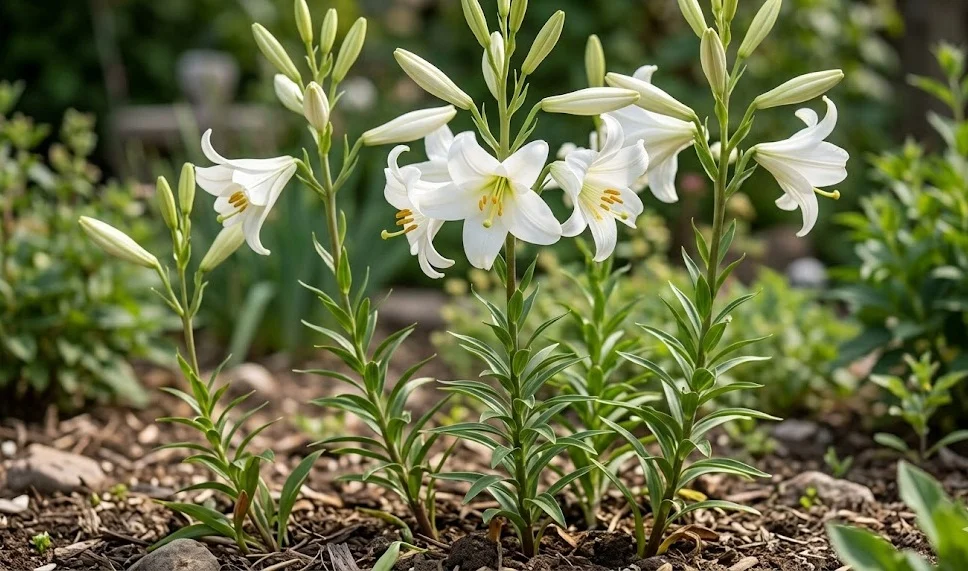

Proper hydration and nutrient management are the twin pillars of professional lily cultivation, directly influencing the size and fragrance of the blooms. The white lily has specific physiological requirements that necessitate a more nuanced approach than many other garden perennials. Understanding how the plant absorbs and utilizes resources allows the gardener to create a tailored feeding and watering schedule. Consistency in these two areas is the secret to maintaining a vibrant and healthy colony through the heat of the summer.
Watering should be viewed as a precision task rather than a general garden chore to be completed quickly. The goal is to provide moisture to the deep roots while keeping the surface and the foliage relatively dry to prevent disease. Professional growers often utilize drip irrigation systems or soaker hoses to deliver water directly to the soil level. This method minimizes evaporation and ensures that every drop is utilized by the plant effectively.
Nutrient availability in the soil changes throughout the growing season, requiring the gardener to adapt their fertilization strategy. In the early spring, the focus should be on supporting the rapid development of the green foliage and stems. As the flower buds begin to form, the nutritional requirements shift toward minerals that support floral health and scent production. A balanced approach prevents the common pitfall of over-fertilization, which can lead to lush but weak growth.
The timing of these interventions is just as important as the quality of the water and the fertilizer used. Providing resources when the plant is most active ensures the highest rate of absorption and the least amount of waste. Conversely, applying heavy water or nutrients during periods of extreme heat can sometimes cause more harm than good. A professional approach involves observing the plant’s daily rhythm and the local weather patterns to find the perfect moment for care.
Establishing a professional watering protocol
The frequency of watering depends heavily on the soil type and the amount of natural rainfall received in the garden. Heavier clay soils retain moisture for longer periods, while sandy soils may require more frequent attention to prevent dehydration. A simple finger test, checking the moisture level a few inches below the surface, is the most reliable way to gauge need. It is better to water deeply and less often than to provide frequent, shallow sessions that discourage deep root growth.
More articles on this topic
Morning is the optimal time for watering, as it allows any accidental moisture on the leaves to evaporate quickly in the sun. Watering in the late evening can leave the foliage damp overnight, creating the perfect environment for fungal spores to germinate. If overhead watering is unavoidable, care should be taken to aim the stream at the base of the plant only. Professional gardeners prioritize the health of the leaves by keeping them as dry as possible throughout the season.
During the peak of the summer heat, the demand for water increases significantly as the plant loses moisture through its large leaves. If the soil becomes too dry, the plant may respond by aborting its flower buds or entering an early state of dormancy. Providing a consistent supply of moisture during this critical phase ensures that the blooms reach their full aesthetic potential. Mulching around the base of the lilies is a professional technique for reducing the rate of soil evaporation.
Water quality is a factor that is often overlooked but can have a cumulative effect on the health of the bulbs. Rainwater is the gold standard for irrigation as it is naturally soft and free from the chemicals found in many municipal water systems. If tap water must be used, allowing it to sit in a container for twenty-four hours can help some of the additives dissipate. Observing the soil for any white mineral buildup can indicate that the water source may be too hard for long-term lily health.
Nutritional requirements and fertilization strategies
A high-quality organic fertilizer provides a steady supply of nutrients that are released slowly into the soil over several months. Materials such as well-rotted compost, fish emulsion, or seaweed extracts are excellent choices for maintaining a healthy nutrient balance. These organic options also improve the overall structure and microbial life of the soil, which benefits the plant in the long run. Synthetic fertilizers can be used for a quick boost, but they should be applied with caution to avoid salt buildup.
More articles on this topic
The first application of fertilizer should occur just as the green shoots emerge from the soil in the early spring. This initial feeding provides the nitrogen and potassium necessary for building a strong stem and a large leaf surface. A second, lighter application can be made about a month later to sustain the growth as the plant prepares for flowering. It is important to water the soil thoroughly after applying any granular fertilizer to help carry the nutrients down to the root zone.
Once the flowers have faded, the nutritional needs of the plant shift toward rebuilding the energy reserves within the bulb. At this stage, a fertilizer with a slightly higher phosphorus content can be beneficial for root and bulb development. Avoid high-nitrogen fertilizers late in the season, as they can encourage new green growth that will not have time to mature before winter. The goal is to prepare the bulb for its upcoming dormant period by ensuring it is packed with essential sugars.
Micronutrients such as magnesium and iron are also essential for the long-term vitality and color of the lily foliage. A deficiency in these minerals often manifests as yellowing between the leaf veins, a condition known as chlorosis. Professional gardeners may use a chelated micronutrient spray for rapid absorption if they notice these specific signs of distress. However, maintaining a healthy, biologically active soil is usually sufficient to provide all the necessary trace elements.
Monitoring the effects of watering and feeding
The appearance of the plant is the most honest feedback a gardener can receive regarding their care routine. Lush, deep green leaves and a thick, upright stem indicate that the current watering and feeding schedule is appropriate. Conversely, wilting, stunted growth, or pale foliage are clear signals that the plant is struggling to access the resources it needs. Adjusting the routine in response to these visual cues is a fundamental skill of a professional horticulturist.
Over-watering is a common mistake that can lead to oxygen deprivation in the soil and the eventual rot of the bulbs. If the soil feels muddy or has a sour smell, it is a sign that the drainage is inadequate or the watering frequency is too high. In such cases, it is best to allow the soil to dry out completely before providing any more moisture. Improving the soil structure with inorganic materials like grit can also help solve long-term drainage issues.
Similarly, over-fertilization can cause a buildup of salts in the soil that can actually inhibit the plant’s ability to take up water. Signs of this issue include brown, “burnt” edges on the leaves and a general lack of vigor despite ample feeding. If this is suspected, leaching the soil with large amounts of clean water can help wash away the excess minerals. Moving forward, reducing the concentration of the fertilizer will prevent the problem from recurring.
Keeping a log of when the plants were watered and what specific fertilizers were used can help in identifying successful patterns. This data is invaluable for fine-tuning the care routine for subsequent years and achieving consistent results across the entire garden. Professional magazines often emphasize the importance of this systematic approach for anyone looking to master the art of lily cultivation. Success in the garden is rarely accidental; it is the result of careful observation and thoughtful intervention.
Adapting to environmental changes
The weather is the most unpredictable variable in any gardening plan, requiring the professional to remain flexible and observant. A sudden heatwave may necessitate a temporary increase in watering frequency to prevent the soil from becoming baked and hard. On the other hand, a particularly rainy season might mean that no supplemental irrigation is needed for several weeks. Staying ahead of the weather forecast allows for proactive adjustments to the daily care schedule.
Soil moisture sensors are a useful tool for professionals who want to move beyond guesswork and achieve absolute precision. These devices provide a real-time reading of the moisture levels at different depths, allowing for a highly targeted watering approach. While not strictly necessary for a hobbyist, they can be a great investment for those managing large or particularly valuable collections. Technology can complement traditional gardening skills to produce even better results.
The changing of the seasons also brings changes in the soil’s ability to hold and release nutrients to the plants. Microbial activity, which is responsible for breaking down organic matter, slows down significantly in cold or very dry conditions. This means that the timing of fertilization must be synchronized with the periods of high biological activity in the soil. Understanding these natural cycles ensures that the nutrients are available exactly when the lily is ready to use them.
Ultimately, the goal of watering and fertilizing is to support the natural resilience and beauty of the white lily. A plant that is well-nourished and properly hydrated is much better equipped to handle the stresses of pests, diseases, and extreme weather. The reward for this dedicated care is a garden filled with the sight and scent of one of the world’s most beloved flowers. Professional standards of care result in professional-grade beauty that can be enjoyed by everyone.